Setting the Scene
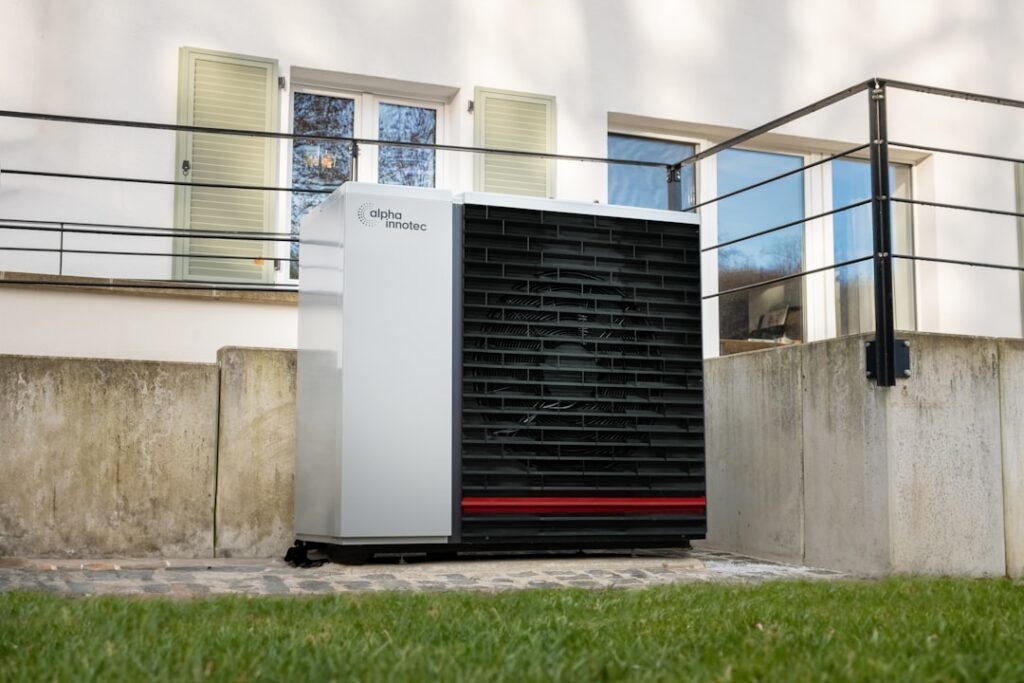
In the world of sustainable heating trends, a quiet revolution is under way. Homes across the UK are swapping out old gas boilers for sleek, eco-friendly heat pumps. And at the heart of this shift? R290 air-to-water technology. It’s grabbing headlines, government funding and, most importantly, impressive efficiency figures.
Why should you care? Two big reasons:
- Lower bills.
- Lower carbon.
These sustainable heating trends are underpinned by real market data and policy support. Let’s unpack what makes R290 special—and why The Heat Pumps UK is leading the pack.
Market Landscape: Growth & Drivers
The UK heat pump market hit £1.25 billion in 2023, growing at roughly 11.5 percent a year until 2030. Tough targets on carbon emissions aren’t just talk. They fuel:
- Government grants and rebates
- Stricter building regulations
- Increased consumer awareness
In short, if you’re exploring sustainable heating trends, now’s the time. The combination of policy push and soaring demand makes R290 air-to-water units a top pick.
Why R290?
R290 is simply propane. It’s natural, zero-carbon and low-GWP (Global Warming Potential). Trials by the International Energy Agency found R290 air-to-water heat pumps hitting:
- COPs (Coefficient of Performance) from 3.0 in freezing temps to 6.0 in milder weather
- Average COPs of 4.7 at 35 °C and 3.1 at 55 °C supply temps
That’s market-beating performance. These figures aren’t theoretical. They come from real data on EU and German markets.
Technical Edge: How R290 Beats the Rest
When we talk about sustainable heating trends, performance metrics matter. Here’s what R290 brings to the table:
- High COP across weather ranges. Even at –7 °C outdoor, COP remains near 3.
- Zero-carbon refrigerant. No HFCs. No long-term climate baggage.
- Compact design. Smaller charge volume means easier installation.
- Quiet operation. Less noise for you and the neighbours.
This shift cements sustainable heating trends that favour hydrocarbons over older f-gas tech. As the EU phases out high-GWP refrigerants by 2025 and 2027, R290 looks even more attractive.
Policy Push & Incentives
UK and EU policies aren’t just background noise. They’re a driving force:
- Boiler Upgrade Scheme. Up to £7,500 for domestic installs.
- Local Authority Delivery (LAD) grants. Extra funding for low-income households.
- Upcoming Ecodesign regulations. Stricter energy efficiency by 2025.
Because of these, adopting R290 systems is a key pick among sustainable heating trends. You get cutting-edge tech, plus a chunk of your capex covered.
Cost Savings and Support
Running costs? Slashed. Maintenance? Streamlined. Installation? Seamless. That’s the promise—and reality—of R290 ATW heat pumps.
• Average annual savings of £600–£900 versus gas boilers.
• Flexible finance options to spread payments.
• Expert installation and maintenance services from The Heat Pumps UK.
• Government grants stacked to reduce upfront spend.
By choosing R290 you tap into sustainable heating trends that make economic sense from day one.
Comparing with Traditional Systems
Let’s be honest. Gas boilers still dominate. They’re familiar. Installation is straightforward. But they:
- Emit CO₂ with every kWh.
- Require regular burner servicing.
- Face rising fuel costs and carbon tax.
R290 heat pumps counter these issues:
- Near-zero on-site emissions.
- Minimal scheduled maintenance.
- Predictable electricity tariffs.
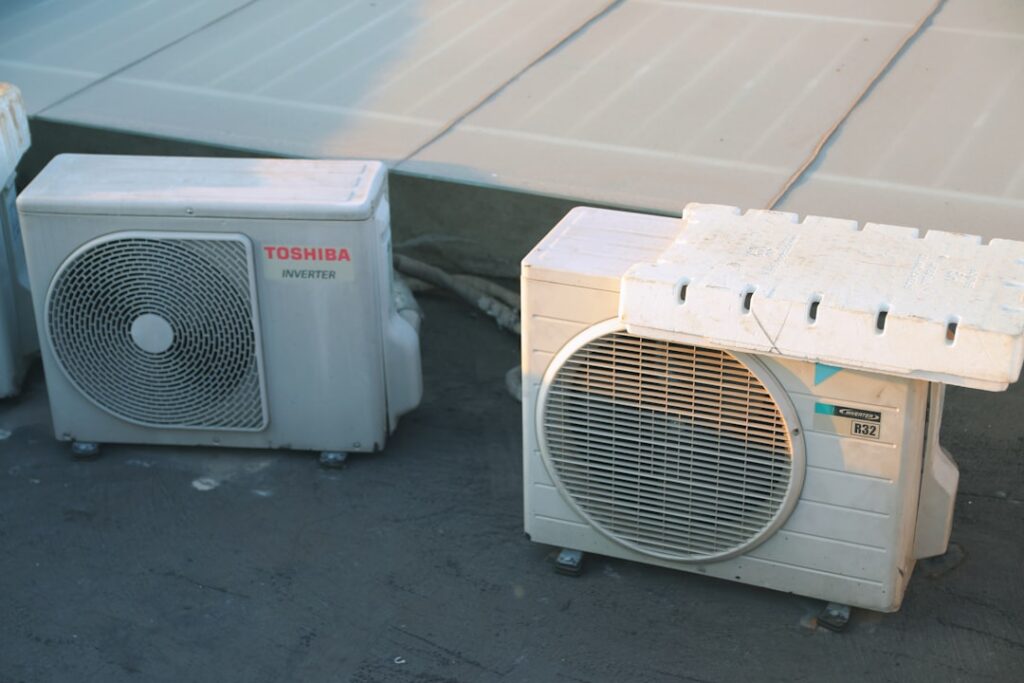
Competitor brands like NIBE and Vaillant offer solid options. Yet many still rely on R32 or R410A. Those refrigerants will be phased out or taxed heavily. Our approach uses only zero-carbon R290.
How The Heat Pumps UK Solves It Better
- Tailored system design. We match capacity to your home.
- Seamless installations. Minimal disruption.
- Ongoing maintenance support. We keep efficiency high.
- Flexible finance options. Spread costs, pressure-free.
Steps to Adopt R290 Heat Pumps
- Initial survey. We assess your home’s insulation and heat demand.
- Custom design. Optimum system sizing to hit those high COPs.
- Installation. Certified engineers handle the full fit-out.
- Commissioning & demo. We walk you through controls.
- Maintenance plan. Annual checks to keep performance top-score.
This clear path makes sustainable heating trends accessible for homeowners and SMEs alike.
Future Outlook
What’s next? Smart home integration. Predictive maintenance. Digital dashboards. The Heat Pumps UK is already piloting:
- Real-time monitoring apps.
- AI-driven fault detection.
- Customer portals for grant applications.
And yes, we even use Maggie’s AutoBlog to keep you updated on the latest in low-carbon tech. It’s part of our commitment to innovation.
Conclusion
R290 air-to-water heat pumps aren’t just a nod to sustainable heating trends. They’re the blueprint for tomorrow’s homes. Lower bills. Lower carbon. Peace of mind.
Ready to make the switch?
Share
Related posts