Introduction: Slash Costs and Stay Toasty
Tired of sky-high bills that leave you shivering at the thought of winter? Air source heat pumps promise big savings—and a cosy home—without burning fossil fuels. But just having a heat pump isn’t enough. You need smart strategies to reduce heat pump energy bills and squeeze every penny of value from your system.
In this guide, we’ll unpack expert tips from The Heat Pumps UK team on how to tune your setup, keep it purring, and cut your carbon footprint. Ready to take action? Megawave: Eco-Friendly Solutions to Reduce Heat Pump Energy Bills offers tailored installations and support that make saving straightforward.
Why Heat Pumps Are Your Best Bet for Home Energy Efficiency
Say “goodbye” to old-school boilers. Heat pumps work by moving heat, not burning fuel. They can deliver up to four units of heat for every one unit of electricity used. That’s a win for your wallet and the planet.
Key advantages at a glance:
– Consistent indoor temperatures.
– Lower running costs compared to gas or oil.
– Government grants to soften upfront costs.
– Quiet operation and long lifespans.
Understanding the basics helps you pick the right model and tweak settings to achieve peak performance every day of the year.
Understanding Performance: COP, SPF and You
Heat pump efficiency often gets boiled down to Coefficient of Performance (COP) and Seasonal Performance Factor (SPF). Here’s the short version:
- COP measures output vs. input at a given moment. A COP of 4 means you get 4 kW of heat for every 1 kW of electricity.
- SPF tracks performance over a season, factoring weather swings and usage patterns.
A higher COP/SPF means more work done for less energy. To reduce heat pump energy bills, aim for models with variable-speed compressors—they adjust power output to match demand, so they don’t waste energy on big temperature swings.
Choosing the Right Type of Heat Pump for Your Home
Not all heat pumps are created equal. Consider these options:
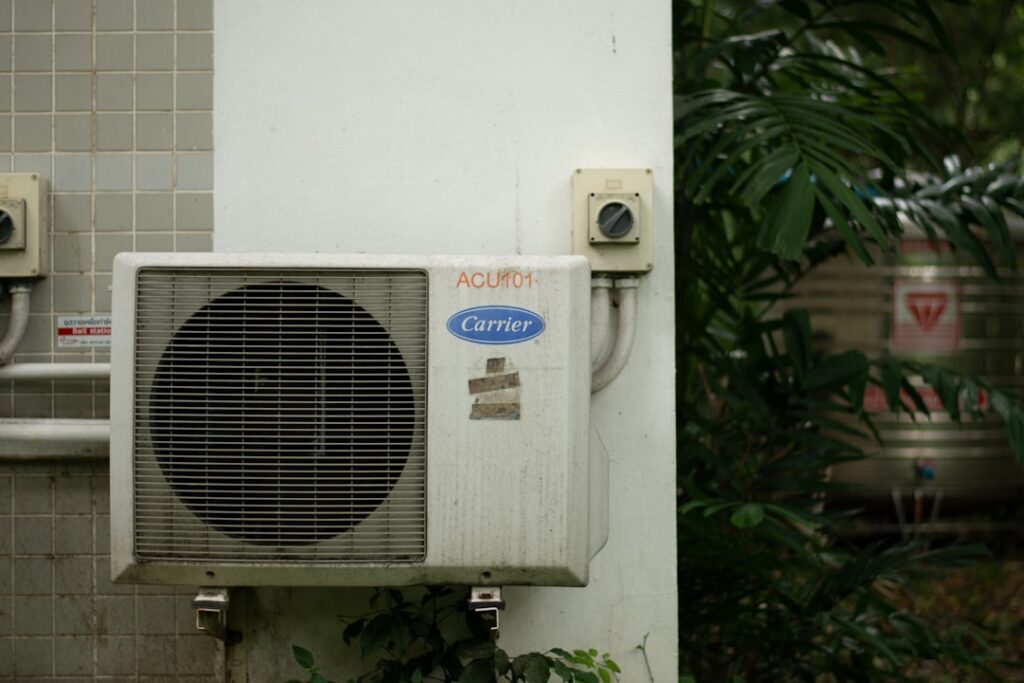
- Air Source Heat Pumps (ASHPs): Most common. Draw heat from outdoor air.
- Ground Source Heat Pumps (GSHPs): Use buried loops to tap stable ground temperatures.
- Water Source Heat Pumps: Ideal if you have access to a pond or river.
Next, pick between ducted and ductless:
– Ducted systems push air through vents. Great for central heating.
– Ductless mini-splits let you heat or cool individual rooms.
Your choice depends on:
– Home size and layout.
– Local climate (air source tech has come a long way for UK winters).
– Budget and available installation space.
Top Maintenance Tips to Keep Your Heat Pump Running Smoothly
A little TLC goes a long way. Follow these simple habits to preserve efficiency:
- Clean or replace filters monthly. Dirty filters choke airflow and waste energy.
- Clear debris around the outdoor unit. Leaves, grass, and clutter hamper airflow.
- Check refrigerant levels. Low refrigerant forces the compressor to work harder.
- Inspect ductwork for leaks or blockages. Even small gaps can erode performance.
For deep-dive servicing, book a professional tune-up every six months. They’ll calibrate sensors, test electrical connections, and confirm refrigerant levels. And if you’re just starting out, why not Start your customised air source heat pump quote? It’s the easiest way to get a tailored design that lasts.
Smart Controls and Thermostat Tricks to Slash Energy Use
You’ve heard it before: smart thermostats save cash. Here’s how to use them like a pro:
- Set steady temperatures rather than blasting hot or cold. Smaller adjustments consume less power.
- Avoid “auto” mode in spring and autumn. Let your system decide once—don’t make it toggle between heating and cooling.
- Create heating schedules based on occupancy. No need to heat empty rooms.
- Use zone controls or dampers to focus heat where you need it most.
With these tweaks, you can easily reduce heat pump energy bills by up to 30%. Want the full package? Discover how to reduce heat pump energy bills with Megawave’s solutions.
Harness Government Grants and Incentives
The UK government wants you to go green. You could qualify for:
- Boiler Upgrade Scheme grants of up to £5,000.
- Reduced VAT rates on installations.
- Local authority rebates in certain regions.
Combine a grant with flexible finance options from The Heat Pumps UK and your upfront spend could be surprisingly low. Plus, zero-carbon refrigerants like R290 mean you’ll be ahead of future regulations.
Why Choose Megawave for Your Heat Pump Installation?
At The Heat Pumps UK, we’re not just installers—we’re partners in your energy journey. Here’s what sets us apart:
- Zero-carbon refrigerant (R290) for a truly green footprint.
- Tailored system designs that match your home’s unique needs.
- Expert installation and maintenance support to keep things running smoothly.
- Flexible finance to spread costs.
- Government grants handled for you.
With over a decade of experience, our team knows how to optimise performance and maximise savings.
Real Stories: How Households Are Saving Big
“I wasn’t sure about switching from my old gas boiler. But Megawave handled the grant paperwork, installed quickly, and my bills dropped by 40%. Honestly, I wish I’d done it sooner!”
— Sarah B., York“Our family home felt unevenly heated before. Now, with zoning and a smart thermostat, every room is cosy and our consumption has fallen through the floor.”
— James T., Bath“The R290 refrigerant and silent outdoor unit from Megawave were game-changers. Quiet nights and low bills—what more could I ask for?”
— Priya K., Manchester
Conclusion: Take Control of Your Energy Costs Today
A heat pump is an asset, not an expense—when you use it right. By choosing the right model, keeping it maintained, using smart controls, and tapping into grants, you can dramatically reduce heat pump energy bills and enjoy year-round comfort.
Ready for a warmer, greener home? Ready to reduce heat pump energy bills? Visit Megawave for eco-friendly heat pump solutions
Share
Related posts