Why air source heat pump efficiency Matters in Every British Home
Tired of sky-high winter bills and cumbersome gas boilers? Air source heat pumps can change the game. They don’t burn fossil fuels; they move heat from the garden air straight into your radiators or underfloor pipes. The result? A cleaner carbon footprint and heating costs that can drop by hundreds of pounds a year.
In this deep dive, we’ll unpack the top energy-saving perks of air source heat pump efficiency. From COP ratings to cold-climate tricks, you’ll discover why UK homeowners are making the switch—and how Megawave’s zero-carbon refrigerant systems, expert installation and flexible finance options make the leap both simple and affordable. Ready to upgrade? Check out Megawave: Discover innovative air source heat pump efficiency solutions to see how you can cut bills and emissions today.
How Air Source Heat Pumps Deliver Unbeatable Efficiency
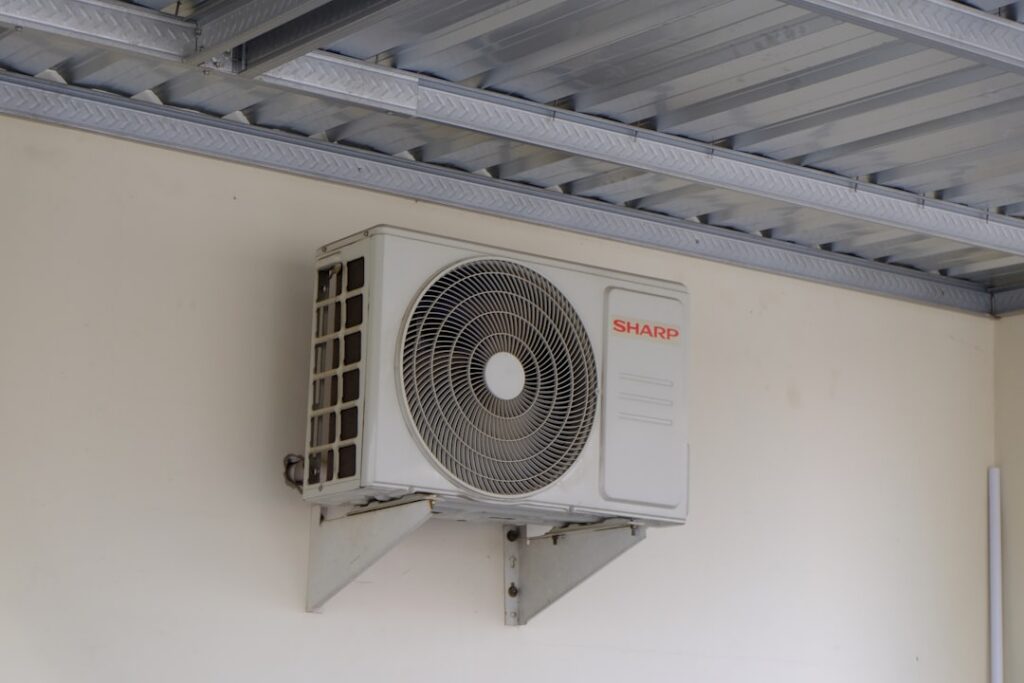
At the heart of every air source heat pump is a simple principle: extract heat from outside air and pump it inside. Even at 0°C, there’s still energy to capture. Thanks to advances in compressor design and refrigerants like R290, modern units achieve eye-watering efficiency.
Key metrics to know:
- Coefficient of Performance (COP): A COP of 3 means 1 kWh of electricity delivers 3 kWh of heat. That’s up to 300% efficiency.
- Heating Season Performance Factor (HSPF): Measures efficiency over a heating season. Look for units with HSPF above 10.
- Seasonal Energy Efficiency Ratio (SEER): Important if you need cooling. Higher SEER numbers save you more when the heat’s on.
Compared to a high-efficiency gas boiler (95% efficient), air source heat pumps consistently outpace with far lower running costs. They also deliver cooling in summer by reversing the cycle—no extra equipment needed.
Staying Toasty in Cold UK Winters
One common myth? Heat pumps aren’t for chilly climates. The truth is, leading models operate down to −15°C and beyond. Here’s how to ensure solid performance when frost arrives:
- Pick a unit rated for low-temperature operation (some even work at −25°C).
- Insist on a high HSPF rating to maximise output during the coldest weeks.
- Look for built-in defrost cycles—these melt off ice without shutting down the system.
- Pair with underfloor heating or oversized radiators to keep flow temperatures comfortable.
Many households tap into government grants to offset installation costs, making the switch even sweeter. And with Megawave’s expert installation service, you’ll get tailored system design that matches your home’s heat loss calculation to the right pump model.
Maximising Efficiency Through Proper Installation and Maintenance
Even the best heat pump can underperform if your home isn’t ready. Follow these tips for top efficiency year-round:
- Seal and insulate ducts in lofts or crawl spaces to prevent lost heat.
- Upgrade loft and wall insulation for a snug building envelope.
- Add weather stripping on doors and caulk around windows—drafty gaps steal heat.
- Balance airflow with dampers or vents to distribute warmth evenly.
- Familiarise yourself with continuous-run settings; many pumps work best without night-time setbacks.
- Schedule regular maintenance with certified engineers to keep refrigerant levels and fans in peak condition.
Megawave offers comprehensive maintenance plans, ensuring your investment runs at peak performance for 15–20 years or more.
Financial and Environmental Advantages
Switching to a heat pump isn’t just eco-friendly; it’s cost-effective too. Consider these real-world savings:
- Compared to propane heating, some users save up to £690 per year.
- Ground-source options can cut energy demand by 30–60%, according to the US Department of Energy.
- Air source units often recoup their premium over gas boilers in 5–8 years when you factor in government rebates.
- Flexible finance from Megawave brings monthly costs in line with (or below) a typical heating bill—no eye-watering upfront sums.
On the environmental side, you’ll slash CO₂ emissions from heating by up to 70% versus oil or LPG systems. That’s a serious contribution to the UK’s net-zero goals.
Choosing the Right System for Your Home
Not every heat pump is one-size-fits-all. Here’s a quick guide:
- Ducted units: Hook into existing air systems. Ideal for homes with forced-air.
- Ductless mini-splits: Perfect for extensions or rooms without ducts.
- Air-to-water models: Pair with radiators or underfloor circuits.
- Ground-source alternatives: Use the earth’s constant temperature—best for new builds with garden space.
Always insist on a detailed heat-loss survey and professional sizing. And check for an ENERGY STAR label or equivalent UK performance mark before you buy.
Rising energy prices won’t wait. You’ve seen the numbers, the tips and the tech. Ready for a warmer, greener home? Explore your options and start your journey to superior air source heat pump efficiency today with Megawave.
Conclusion
Air source heat pump efficiency is a practical, proven route to cutting bills and carbon in UK homes. From high COPs to smart installation and generous grants, the benefits stack up fast. With Megawave’s zero-carbon refrigerants, expert service and flexible finance, making the switch has never been easier—or more rewarding. Take control of your comfort and your carbon footprint today. Experience best-in-class air source heat pump efficiency with Megawave.
Share
Related posts