Why a Heat Pump Comparison Matters
Energy bills soaring? Carbon targets looming? You’re not alone. A proper heat pump comparison can slash bills and shrink your footprint. From air source to biomass, each tech has its quirks. But our zero-carbon air source heat pumps often come out on top. Let’s dive in.
1. Air Source Heat Pumps: Leading the Heat Pump Comparison
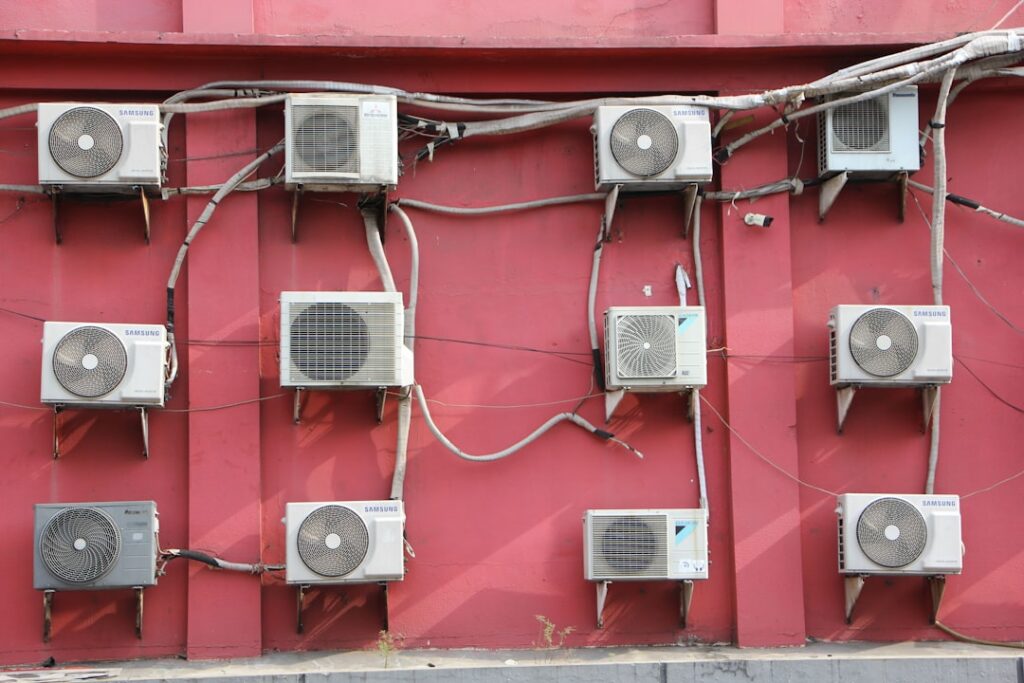
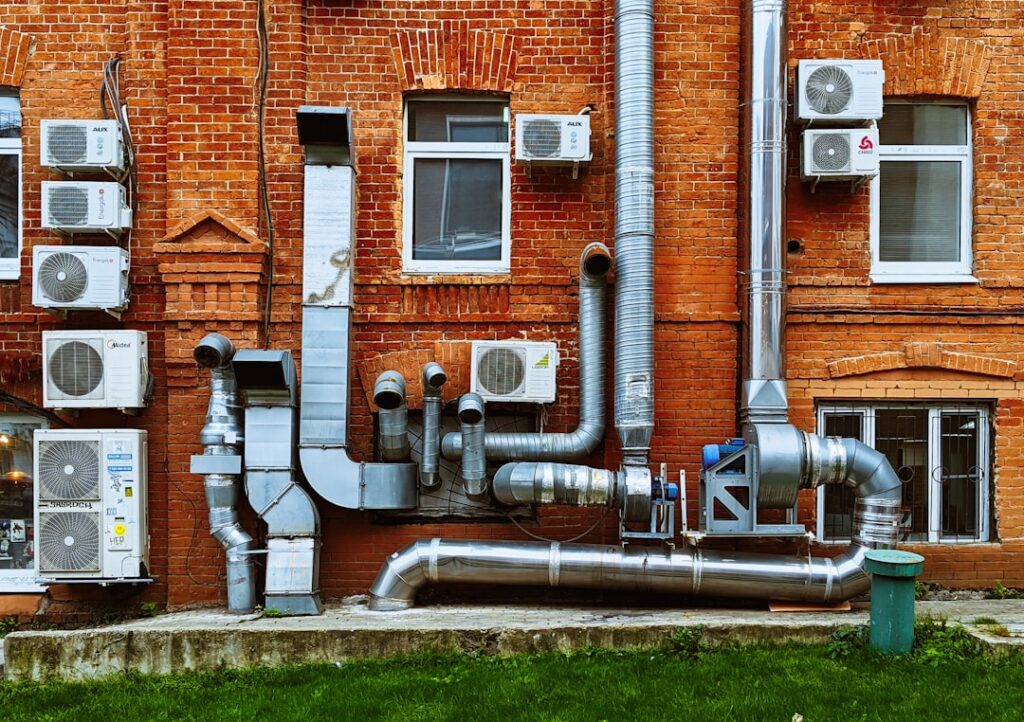
Air source heat pumps grab warmth from outside air. Clever, right? Even at low temperatures, they deliver heat indoors.
- Installation cost: £8,000–£18,000
- Efficiency: Coefficient of Performance (COP) of 3–4
- Space: Minimal footprint, ideal for gardens or patios
- Maintenance: Low to moderate
Why they shine in a heat pump comparison:
• Dual use: space and water heating.
• Simple install.
• Integrates with smart controls.
Competitor note: Brands like NIBE and Vaillant offer solid air source units. But many rely on HFC refrigerants with higher global warming potential. Our zero-carbon air source heat pumps use R290. That means:
- 70% lower environmental impact
- Better long-term performance
- Eligibility for government grants
Plus, with expert installation and maintenance services from The Heat Pumps UK, you get top efficiency and peace of mind.
2. Ground Source Heat Pumps: Deep-Rooted Efficiency
Ground source systems tap the earth’s stable temperature. Pipes loop underground—horizontal or vertical.
- Installation cost: £20,000–£40,000
- Efficiency: COP of 4–5 (very high)
- Space: Horizontal needs 1–2 m² per kW; vertical needs boreholes 50–100 m deep
- Maintenance: Moderate
Ground source often wins on efficiency but loses on cost and space. In our heat pump comparison, it’s a powerhouse—but you’ll need planning permission and plenty of land.
The Heat Pumps UK advantage:
We guide you through grant applications and secure flexible finance options. That helps offset upfront costs so you can reap the savings faster.
3. Water Source Heat Pumps: For Properties Near Water
Got a lake or river nearby? Water source pumps can be great.
- Installation cost: ~£10,000
- Efficiency: COP up to 5
- Space: Pipe run to water body
- Maintenance: Moderate
Pros: steady temperatures, high COP. Cons: must own riparian rights or have permission. In a heat pump comparison, water source is niche—but unbeatable if conditions suit.
Our team ensures all legal checks and system design. Pair that with zero-carbon refrigerants, and you have a clear win.
4. Electric Combi Boilers: Compact and Quick
These boilers use electricity to heat water on demand. No gas tank or flue needed.
- Cost: £1,000–£4,500
- Efficiency: Near 100% (virtually no energy lost)
- Space: Very compact
- Running cost: Higher than gas or heat pumps
An electric combi boiler can be great for small flats. But in our heat pump comparison, you’ll see higher running costs and no cooling option.
5. Biomass Boilers: Wood-Powered Heating
Silent pellet-burners replace oil or gas. Great for rural homes with storage.
- Cost: £5,000–£15,000
- Efficiency: 70–85%
- Running cost: Low (pellets)
- Space: Requires fuel store
Biomass may suit if you have wood supply. But you get more noise (kettling) and manual refills. Our heat pump comparison shows zero-carbon heat pumps need no fuel storage—just air and a small outdoor unit.
6. Micro-CHP Systems: Dual Power Generation
Micro Combined Heat and Power (CHP) units create heat and electricity together.
- Cost: Similar to high-end gas boilers
- Efficiency: 85–90%
- Space: Boiler-sized
- Benefit: Cuts grid electricity use
Micro-CHP still burns fossil fuel. In a heat pump comparison, they’re lower carbon than old boilers, but not zero-carbon like our R290 solutions.
7. Solar Water Heating: Sun-Powered Hot Water
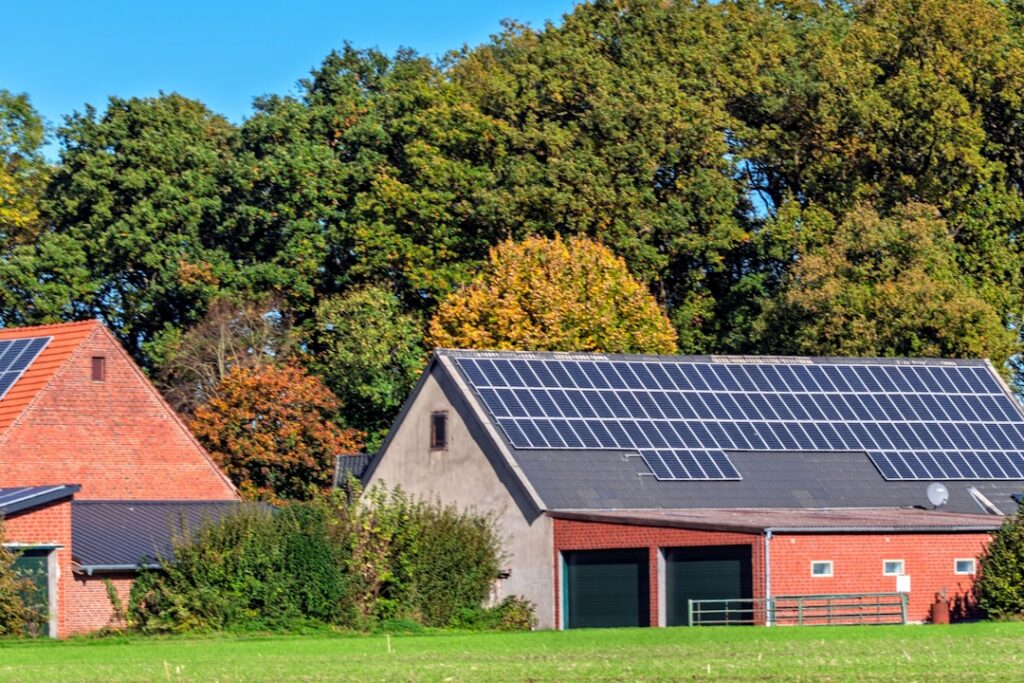
Solar thermal panels heat water directly.
- Cost: £3,000–£5,000
- Efficiency: 40–80% of hot water needs
- Space: Roof installation
- Maintenance: Low
Solar heating pairs nicely with heat pumps. Alone, you’ll still need backups on dull days. In our heat pump comparison, combining solar thermal and a zero-carbon heat pump gives maximum carbon cuts.
Why Zero-Carbon Heat Pumps Lead the Way
So, after seven options, where do we stand?
• Best all-rounder: Air source heat pumps with R290 refrigerant.
• Lowest carbon: Zero-carbon cycle, minimal indirect emissions.
• Flexible: Heats and cools.
• Cost-effective: Grants, finance and expert install.
• Maintenance: We’ve got that covered.
Traditional brands like Mitsubishi Electric and Daikin have strong HVAC histories. They sell heat pumps, too. But many units still use HFCs. Our heat pump comparison shows:
- Lower environmental harm
- Competitive running costs
- Government incentives
Plus, with flexible finance options and government grants available, The Heat Pumps UK makes eco-friendly tech accessible. No hefty payment all at once. Spread the cost. Relax.
Making the Right Choice
Choosing a system can feel overwhelming. Here’s a quick checklist for your heat pump comparison:
- Budget and grants: Check eligibility.
- Property type: Detached, flat, rural or urban.
- Space available: Garden, borehole, or no land.
- Carbon goals: Zero-carbon or low-carbon.
- Comfort: Heating and cooling needs.
Our experts can help tick every box. We design, install and maintain. We guide on grants. We manage finance. You enjoy warmth and savings.
Conclusion
Ultimately, zero-carbon air source heat pumps lead the pack. They deliver top efficiency, lower carbon footprints, and more flexible setups. When you paper-trail that through a detailed heat pump comparison, our solution consistently ranks highest.
Ready to switch? Let’s transform your home heating.
Share
Related posts