Introduction: Embrace Efficiency with Expert heat pump system training
Air source heat pumps are the unsung heroes of modern heating. They quietly draw warmth from the outside air, even on chilly mornings. No boilers. No fossil fuels. Just renewable energy doing the hard work. It’s a neat trick—and one that’s growing fast across Europe. But tapping its full potential takes more than off-the-shelf hardware. You need solid know-how.
That’s where hands-on heat pump system training comes in. Whether you’re an installer, a homeowner keen to understand your new system, or a business sourcing eco-friendly solutions—you’ll find this guide invaluable. We’ve packed it with real-world tips, from designing and sizing units to mastering installation best practices and maintenance routines. Ready to start your journey? Kickstart your heat pump system training with Megawave: Eco-Friendly Heating Revolution for Innovative Air Source Heat Pump Solutions
Understanding Air Source Heat Pump Technology
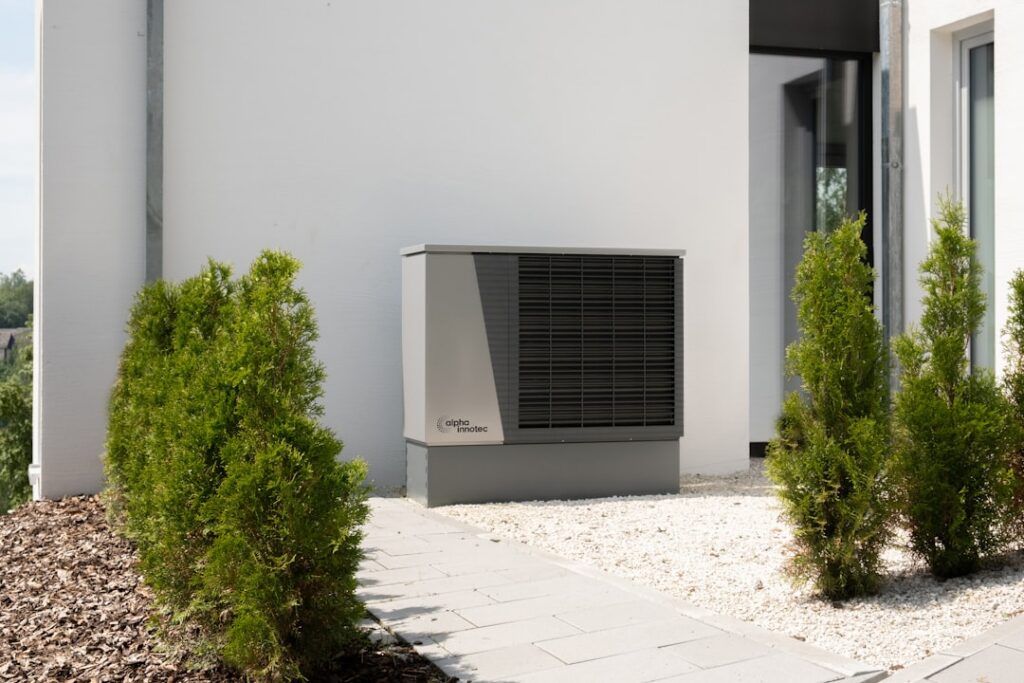
Air source heat pumps look deceptively simple. A sleek outdoor unit. A discreet indoor module. Yet underneath, it’s a marvel of thermodynamics. Let’s peel back the layers.
How Does It Work?
- Basic principle: Heat always moves from warmer to cooler regions. Even at 0°C outside, there’s heat to be harvested.
- Refrigerant cycle: A zero-carbon refrigerant like R290 absorbs outdoor warmth. It vaporises, gets compressed, and delivers a higher-temperature gas to the indoor heat exchanger.
- Heat distribution: That warm gas heats water or air, which then circulates through radiators, underfloor piping, or air handlers.
It sounds futuristic. But it’s proven tech—refined over decades. The secret? High-efficiency compressors and eco-friendly refrigerants that cut CO2 emissions.
Key Components and Zero-Carbon Refrigerants
An air source heat pump typically includes:
- A fan-cooled outdoor module.
- A compressor driving the refrigerant cycle.
- Heat exchangers for evaporating and condensing the refrigerant.
- Smart controls for temperature regulation.
- Zero-carbon refrigerant (R290) for minimal environmental impact.
Choosing the right refrigerant matters. R290 stands out: it has nearly zero global warming potential (GWP) and excellent thermodynamic properties. That’s why many brands, including Megawave, rely on it for a cleaner footprint.
Designing and Sizing Your System
A well-designed system is the backbone of any heat pump project. Get it right, and you’ll enjoy years of efficient performance. Miss the mark, and you’ll battle inefficiencies, higher bills, and unhappy occupants.
Calculating Heat Load
Start with a heat loss survey. Measure:
- Room dimensions.
- Insulation levels.
- Window types and orientations.
- Air leakage points.
That gives you the kilowatt (kW) rating your pump needs. Undersize, and you struggle on cold days. Oversize, and the system short-cycles—wasting energy.
Tailored System Design
One-size-fits-all? Not here. Megawave’s tailored system designs factor in:
- Unique building layouts.
- Occupant comfort patterns.
- Future-proofing for extensions or smart-grid integration.
This service streamlines installation and ensures you don’t overpay for excess capacity. A bespoke design is an investment that pays back through optimal energy use.
Smart Controls and Connectivity
Modern heat pumps don’t just heat—they think. Smart thermostats and home integration offer:
- Remote temperature management.
- Learning algorithms for occupancy patterns.
- Alerts for maintenance and performance dips.
Pairing a heat pump with a home automation platform can shave up to 15% off energy use. Not bad for a few clicks on your smartphone.
Installation Best Practices
Installation isn’t plug-and-go. It’s a craft, combining technical skill with planning. Follow these best practices to nail every job.
Site Preparation
- Pick a level, vibration-free base.
- Ensure 1–2 metres clearance around the outdoor unit.
- Plan refrigerant pipe routes to minimise bends.
- Insulate and protect external piping from weather.
A tidy site equals fewer headaches down the line.
Step-by-Step Installation
- Mount the outdoor unit on a concrete pad or bracket.
- Drill through the external wall for refrigerant and condensate pipes.
- Connect refrigerant lines following the manufacturer’s torque specifications.
- Vacuum and charge the system with R290.
- Attach the indoor module and connect to the heat distribution circuit.
- Commission and test, adjusting superheat and sub-cooling settings.
Precision matters. A slight refrigerant leak or misaligned coil can cost you efficiency—and credibility.
Ready for an accurate estimate? Request your heat pumps installation quotation
Maintenance for Reliable Performance
Routine upkeep keeps performance high and bills low. A bit of elbow grease today prevents big service calls tomorrow.
Routine Checks
- Inspect refrigerant circuits for leaks every 6 months.
- Clean air filters to ensure free airflow.
- Check electrical connections for corrosion.
- Verify condensate drains are clear.
Even DIY checks can extend system life. But for thorough reviews, lean on Megawave’s maintenance support.
Troubleshooting Common Issues
- Low heating output: Check refrigerant charge and defrost cycles.
- Strange noises: Inspect fan mounts and compressor isolators.
- Frequent cycling: Confirm the system is sized correctly and controls are calibrated.
When in doubt, call in experts. Faults caught early cost a fraction of full repairs.
Ongoing Maintenance Support
Megawave offers comprehensive maintenance packages:
- Scheduled tune-ups.
- Priority breakdown visits.
- Detailed efficiency reports.
With this service in your corner, your heat pump runs smoothly year after year. And if you’re keen to upskill, our advanced heat pump system training modules give you the confidence to manage and maintain with flair. Discover heat pump system training insights with Megawave: Eco-Friendly Heating Revolution for Innovative Air Source Heat Pump Solutions
Conclusion and Next Steps
Air source heat pumps are reshaping how we heat—and cool—our spaces. With the right training, design, installation and maintenance, you’ll enjoy comfort, low bills and a greener footprint. Remember to factor in:
- Accurate heat load calculations.
- Bespoke system designs.
- Proper installation practices.
- Regular maintenance.
Whether you’re a seasoned installer or a homeowner wanting to understand more, investing in quality heat pump system training unlocks the full potential of this technology.
What Our Clients Say
“I never knew a heating upgrade could be this seamless. Megawave’s tailored system design meant my home was cosy from Day One. Plus, the maintenance support gives me real peace of mind.”
— Sarah T., Residential Customer
“Our SME just switched to air source heat pumps across two offices. The flexible finance options and ongoing maintenance package made the transition smooth. Energy bills dropped 30% in six months.”
— Mark L., Operations Manager
“As a small installer, I attended Megawave’s advanced training. The practical modules and expert tutors boosted my confidence. Now I handle complex installations—and my clients love it.”
— Priya K., Certified Installer
Ready to deepen your expertise and lead the eco-friendly heating revolution? Upgrade your understanding with heat pump system training at Megawave: Eco-Friendly Heating Revolution for Innovative Air Source Heat Pump Solutions
Share
Related posts