Introduction: Navigating the Heat Pump Landscape
Heat pumps are everywhere you look these days—from food-processing factories drying bananas under vacuum to cosy UK homes battling chilly evenings. But don’t be fooled: “industrial” and “residential” heat pump designs aren’t just different scales of the same thing. They follow wildly different engineering paths.
If you’re a UK homeowner, you’ve likely heard about efficiency, carbon reduction and cost savings. All true. But squeezing the best out of your system takes a bit of know-how. That’s where heat pump performance optimization comes into play. Interested? Discover heat pump performance optimization with Megawave to see how you can get more heat for every penny.
Industrial Vacuum Heat Pump Drying: A High-Pressure Deep Dive
In large-scale food processing, vacuum heat pump dryers reign supreme. They:
– Pull moisture out under reduced pressure.
– Operate at precise temperatures (often 40–60 °C).
– Balance energy use against product quality (think crisp banana chips).
Researchers have even created an Integrated Performance Index (IPI) that juggles moisture extraction rate, exergy efficiency, colour retention and vitamin C levels. It’s a nifty concept—but overkill for a family living room.
Bottom line? Industrial systems are built for uniform drying, non-stop production and tight quality control. They demand complex pumps, vacuums and controls. Great for bananas. Not so practical in your lounge.
Residential Air Source Heat Pumps: Built for Cosy UK Homes
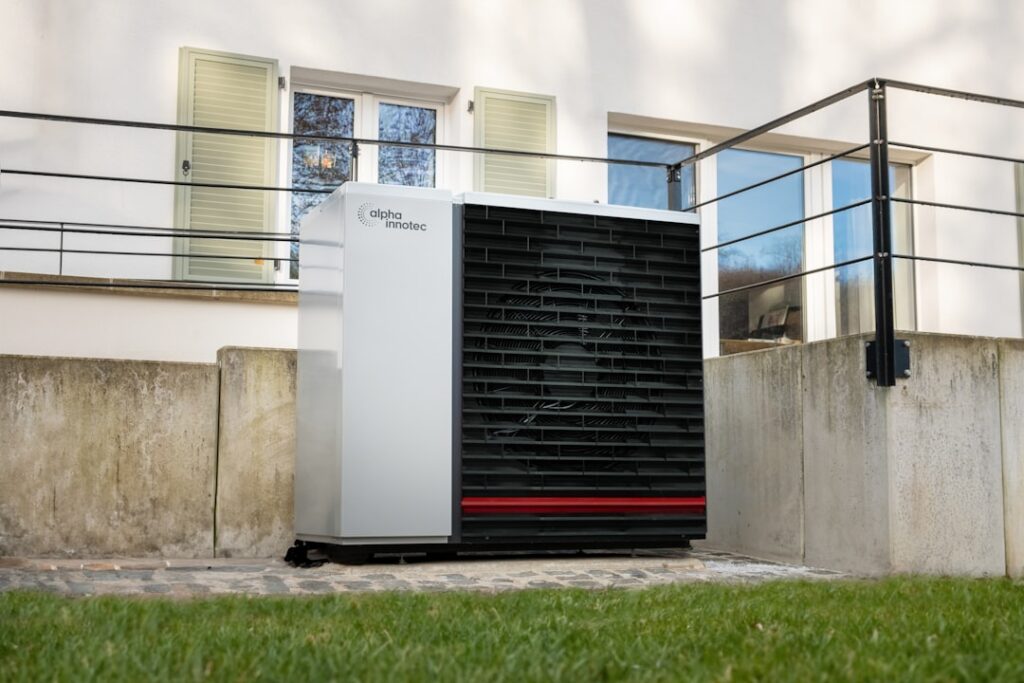
By contrast, domestic air source heat pumps (ASHPs) are tuned to extract warmth from the outside air—down to single-digit temperatures. Key highlights:
– Simpler refrigeration circuits.
– No vacuum chamber; just an evaporator coil, compressor and heat exchanger.
– Standard refrigerants like R290 (a zero-carbon champion).
You get heating in winter, cooling in summer, and a single outdoor unit. Maintenance is easier, and noise levels are lower. Plus, you can snag government grants to keep costs down. If you’re ready to take the plunge, don’t forget to Start your heat pumps installation quotation.
Key Design Differences at a Glance
Here’s how industrial and residential heat pumps really diverge:
-
Operating Conditions
• Industrial: Vacuum pressures up to 80 kPa, strict temperature controls.
• Residential: Ambient pressures, temperature swings from –5 °C to 35 °C. -
Core Objective
• Industrial: Drying quality & speed.
• Residential: Heating/cooling comfort & efficiency. -
Complexity & Cost
• Industrial: High-precision pumps + extensive instrumentation.
• Residential: Plug-and-play units, straightforward piping. -
Energy Metrics
• Industrial: Specific Moisture Extraction Rate (SMER), exergy efficiency.
• Residential: Seasonal Coefficient of Performance (SCOP), running costs.
See the gap? One is a lab-grade rig. The other is designed to slot into your boiler cupboard.
Why Industrial Systems Miss the Mark for Homes
You might wonder, “Couldn’t I just scale down an industrial vacuum heat pump?” In theory, yes. In practice, no. Here’s why:
- Over-Engineering: Precision vacuums and high-strength compressors cost more than your entire heating budget.
- Maintenance Headache: Factory floor tech demands regular calibration. You’d need a specialist on call.
- Space & Noise: Industrial units are bulky and often louder. Hardly ideal for your neighbour-friendly cul-de-sac.
- Quality vs Comfort: They’re optimised for moisture removal, not gentle warmth or quiet cooling.
It’s like fitting Formula 1 tyres to your family sedan. Sure, they grip—but you’ll pay through the nose for no real gain.
Tips for Optimal Residential Heat Pump Performance
Whether you’ve got an ASHP today or you’re shopping for one, these pointers will help you nail heat pump performance optimization:
-
Correct Sizing
Oversize and you’ll short-cycle—wasting energy. Undersize and you’ll struggle on cold days. Get a professional heat loss survey. -
Zero-Carbon Refrigerant Choice
R290 isn’t just trendy. It slashes global warming potential with minimal trade-offs. Less environmental guilt. More cosy winters. -
Smart Controls & Zoning
Divide your home into heating zones. Control each area via smart thermostats. Only heat rooms you use. -
Well-Insulated Pipework
A thin layer of frost on your pipes at –10 °C? No thanks. Proper insulation keeps losses near zero. -
Regular Maintenance
Annual checks on refrigerant levels, compressor health and airflow pay dividends.
When you’re ready to take action, you can Enhance heat pump performance optimization today to lock in those gains.
Government Grants and Green Incentives
The UK government wants you to go green. That means grants and interest-free loans to cut your installation bill by thousands. You could qualify for:
- Local authority top-ups.
- Boiler Upgrade Scheme rebates.
- Council-backed interest-free finance.
Combined with lower running bills, your ASHP will feel more like an investment than an expense. Ready to check your eligibility? Get a heat pumps installation quotation in minutes.
Why Megawave Stands Out
Megawave brings real-world advantages that tick all the boxes:
- Utilises zero-carbon refrigerant R290, reducing CO₂ impact.
- Tailored system designs to match your home’s heat loss.
- End-to-end service: survey, install, maintain.
- Flexible finance options and government grant support.
- Expert maintenance teams keep performance in check year-round.
You don’t just get a pump. You get comfort, savings and peace of mind. Keen to see your numbers? Request a heat pumps installation quotation and discover what Megawave can do.
What Our Customers Say
“We swapped our old boiler for a Megawave unit last autumn. The install team were top-notch, and our bills have dropped by 40%. Plus, it’s whisper-quiet.”
— Sarah J., Devon
“I was sceptical about performance in winter. Turned out, our smart thermostat and Megawave design cope brilliantly down to –7 °C. Real comfort.”
— Mark T., Yorkshire
“Government grants covered a chunk of the cost. Today I’m saving around £500 a year, and I’m proud we’re using a zero-carbon refrigerant.”
— Eleanor W., Kent
Conclusion: Choosing the Right Path
Industrial vacuum heat pump dryers shine in factories. But they’re mismatched for UK homes. For everyday comfort, energy savings and minimal fuss, a purpose-built residential ASHP is the way to go. Plus, with heat pump performance optimization in your toolkit and Megawave’s expert support, you’ll enjoy warm spaces, lower bills and a greener footprint.
Ready to transform your home heating? Experience heat pump performance optimization with Megawave and step into a cozier, cleaner future.
Share
Related posts