Introduction
You’re on the hunt for a homeowner heat pump guide that actually helps. No jargon. No fluff. Just clear steps to replace your ageing boiler with a zero-carbon air source heat pump (ASHP). In this guide, we’ll walk you through:
- Why you should choose a zero-carbon ASHP
- How to prep your property
- Step-by-step install details
- Grants, costs and payback
- Maintenance tips
Let’s cut carbon, not corners.
Why Choose a Zero-Carbon Air Source Heat Pump?
Switching to an ASHP can feel like a leap. Here’s why it’s worth it:
- Lower carbon footprint: Traditional boilers burn gas. Zero-carbon refrigerants (like R290) don’t.
- Year-round comfort: Heats in winter. Even cools in summer.
- Fuel savings: Up to 60% lower running costs versus oil or electric.
- Government grants: Up to £7,500 through the Boiler Upgrade Scheme.
Think of your boiler as a 20-year-old phone. It just can’t match the speed, efficiency or features of a shiny new smartphone. A zero-carbon ASHP? That’s the upgrade.
Assessing Your Home for Installation
Before buying, you need facts. A solid homeowner heat pump guide always starts with an assessment.
Home Energy Efficiency: The Foundation
- Get an Energy Performance Certificate (EPC).
- Seal drafts: check windows, doors, loft hatch.
- Insulate: loft, walls, floor.
- Upgrade glazing to ENERGY STAR®–class windows.
- Consider LED lighting and smart controls.
Skip these, and your ASHP works harder—and costs more. Nail insulation first. Then the heat pump shines.
Heat Pump Sizing and Placement
- Heat load calculation: Pro install or DIY with online tools.
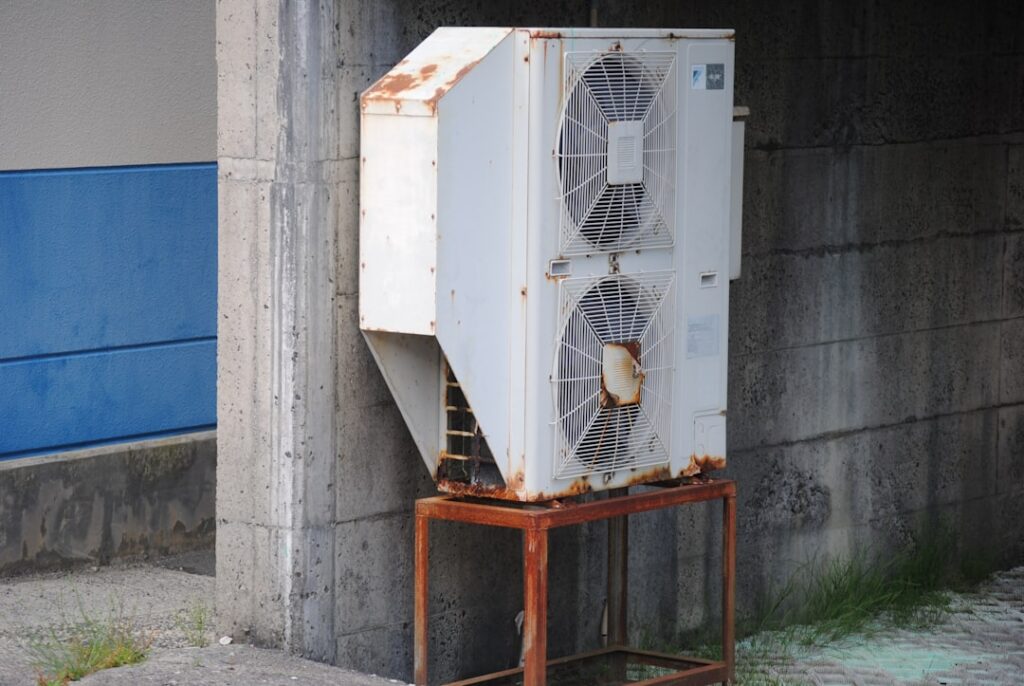
- Outdoor unit: South- or east-facing walls minimise noise and maximise efficiency.
- Indoor connections: Close to your existing manifold or boiler location.
Proper sizing and siting is half the battle.
Step-by-Step Installation Process
Ready for the nuts and bolts? Follow this plan from our homeowner heat pump guide.
1. Planning and Permissions
- Check local planning rules—most ASHP installs are permitted developments.
- Notify building control for compliance with Part L (conservation of fuel).
- Gather existing heating schematics.
2. Applying for Government Grants
- Register installer on the Microgeneration Certification Scheme (MCS).
- Apply to the Boiler Upgrade Scheme before work begins.
- Claim up to £5,000–£7,500 off installation.
Free cash? Yes, please.
3. Hiring a Certified Installer
Look for MCS-certified installers who:
- Work regularly with zero-carbon refrigerant (R290).
- Offer maintenance and warranty.
- Provide flexible finance options.
A rookie install can mean leaks, noise or poor performance. Invest in expertise.
4. Installing the Outdoor Unit
- Lay a concrete or rubber pad, level and ventilated.
- Mount the compressor securely.
- Connect refrigerant lines, ensuring correct pipe lagging.
Think of this as planting a tree: location and foundation matter.
5. Installing the Indoor Distribution System
- Replace radiators with larger, low-temperature equivalents if needed.
- Fit underfloor heating or oversized radiators for best results.
- Connect to existing hot water cylinder or install a thermal store.
6. Commissioning and Testing
- Evacuate air and moisture from refrigerant loop.
- Top up refrigerant to manufacturer specs.
- Run performance tests: flow rates, pressures, COP (coefficient of performance).
This is the “QA” phase. No shortcuts.
7. Maintenance and Aftercare
- Clean filters every 3–6 months.
- Annual service by a trained engineer.
- Monitor energy use with smart meters.
Regular upkeep keeps efficiency high and warranties valid.
Costs, Savings, and Payback
A homeowner heat pump guide must talk numbers.
- Typical installation: £8,000–£14,000 before grants.
- Grants can slash £5,000–£7,500 off that.
- Annual savings: £500–£1,200, depending on home size and tariff.
- Payback period: 7–12 years.
Picture this: you install in 2026, save £800 a year, and break even by 2034. After that? Pure savings.
Integrating Smart Controls for Efficiency
A heat pump plus a smart thermostat is like a CEO plus an assistant:
- Zoning: Heat rooms only when needed.
- Learning algorithms: Adjust schedules based on habits.
- Remote access: Tweak settings from your phone.
Combine this with The Heat Pumps UK’s maintenance alerts. Voila—efficiency on autopilot.
Why The Heat Pumps UK is Your Best Choice
We’re not just another installer. Here’s what makes us stand out in your homeowner heat pump guide research:
- Utilisation of zero-carbon refrigerants (R290) for minimal environmental impact.
- Expert installation and maintenance services ensure peak performance.
- Flexible finance options to suit your budget.
- Access to government grants to lower upfront costs.
- Plus, our AI-powered Maggie’s AutoBlog platform helps SMEs in renewable energy create SEO-optimised content—no marketing team needed.
Our approach? Combine top-tier technology with real-world support. You get a system that works and a partner that cares.
Final Thoughts
Switching to a zero-carbon air source heat pump is one of the smartest moves a homeowner can make. You’ll cut bills, slash emissions, and enjoy comfort all year round. Use this homeowner heat pump guide to navigate the process, from efficiency upgrades through commissioning and beyond.
Ready to take the plunge? It’s time to embrace greener heating.
Share
Related posts