Your Essential Guide: Boilers vs Heat Pumps in One Place
Choosing the right heating system can feel like navigating a maze. Traditional commercial boilers have been the go-to for decades. Yet, air source heat pumps are stealing the spotlight. In this post, we dive straight into commercial heat pump FAQs, comparing boilers and heat pumps side by side. You’ll get clear answers to help you hit efficiency targets, reduce carbon emissions, and master your budget.
We’ll cover:
– How boilers and heat pumps work
– Pros and cons of each system
– Key money-saving tips
– Maintenance must-dos
– Top commercial heat pump FAQs answered
Ready to learn more? Find your commercial heat pump FAQs with Megawave’s Eco-Friendly Heating Revolution
Why Compare Heat Pumps and Commercial Boilers?
Many developers ask: why switch from a tried-and-tested boiler to a heat pump? The simple answer lies in cost, performance, and sustainability. Boilers burn gas or oil to heat water, offering quick response times. Heat pumps extract ambient heat from air, translating it into energy-efficient warmth. Our comparison dives into the trade-offs.
It’s no surprise that “commercial heat pump FAQs” often highlight running costs. Air source heat pumps can achieve a coefficient of performance (COP) of 3–5, meaning up to 500% efficiency. Boilers max out around 95% efficiency. That difference adds up on energy bills. Plus, heat pumps can cool in summer. You get a dual-purpose system.
Understanding Commercial Boilers
How Do Commercial Boilers Work?
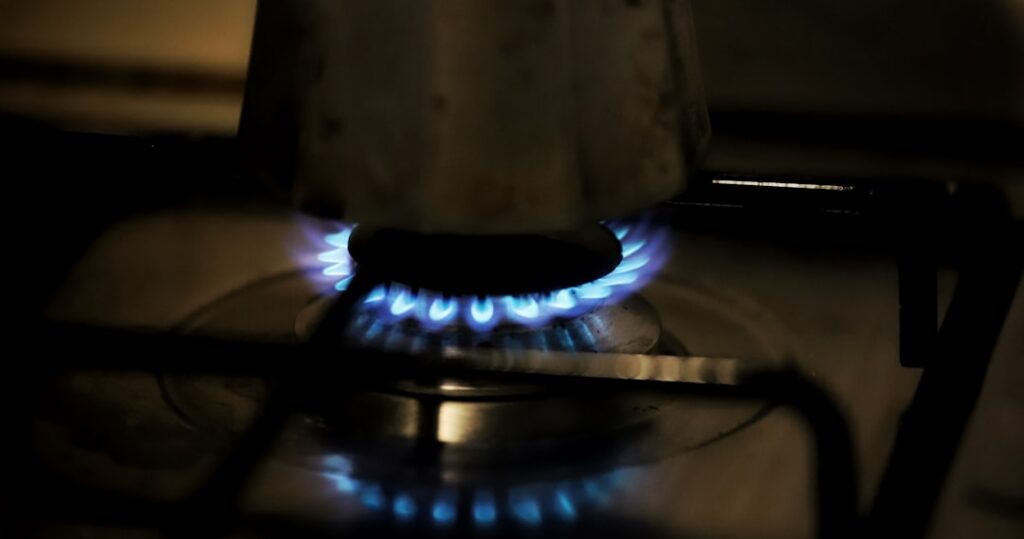
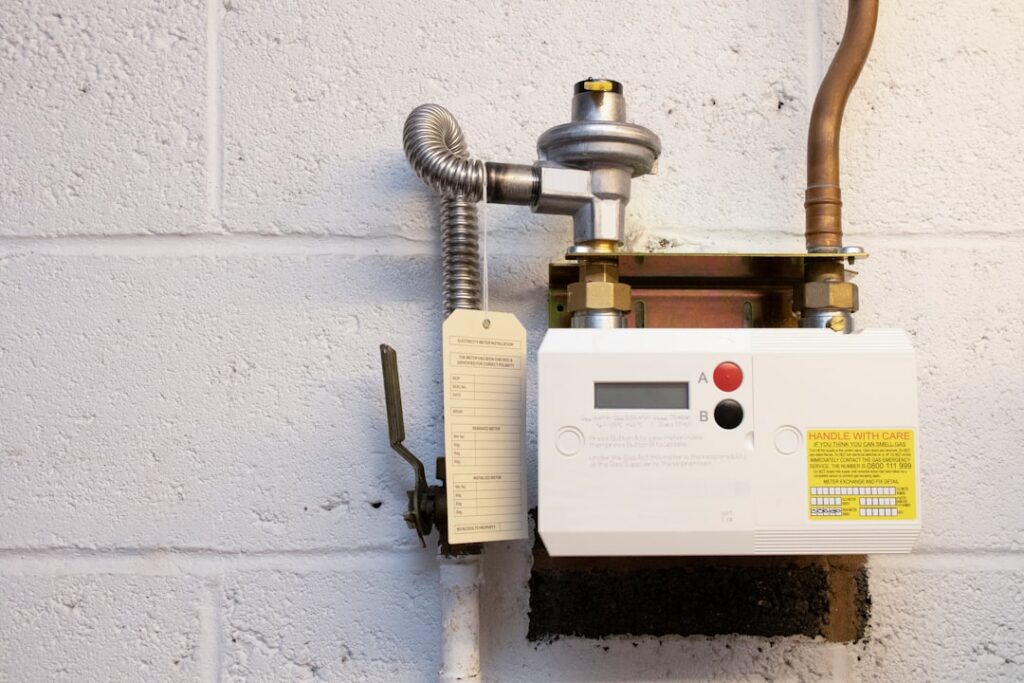
- Burn fuel (gas, oil, LPG) to heat water.
- Water runs through pipes to radiators or fan coils.
- A control panel manages temperature.
Advantages of Boilers
- Fast heat-up times.
- Proven reliability.
- Familiar to maintenance teams.
Drawbacks of Boilers
- High carbon emissions.
- Fuel price volatility.
- Regular servicing and combustion checks required.
Despite these drawbacks, you’ll see questions like “What is the best commercial boiler in the UK?” pop up in commercial heat pump FAQs lists. Brands such as Ideal Heating boast wall-mounted boilers up to 150kW. But when developers factor in carbon budgets, heat pumps often win.
Understanding Air Source Heat Pumps
How Do Heat Pumps Work?
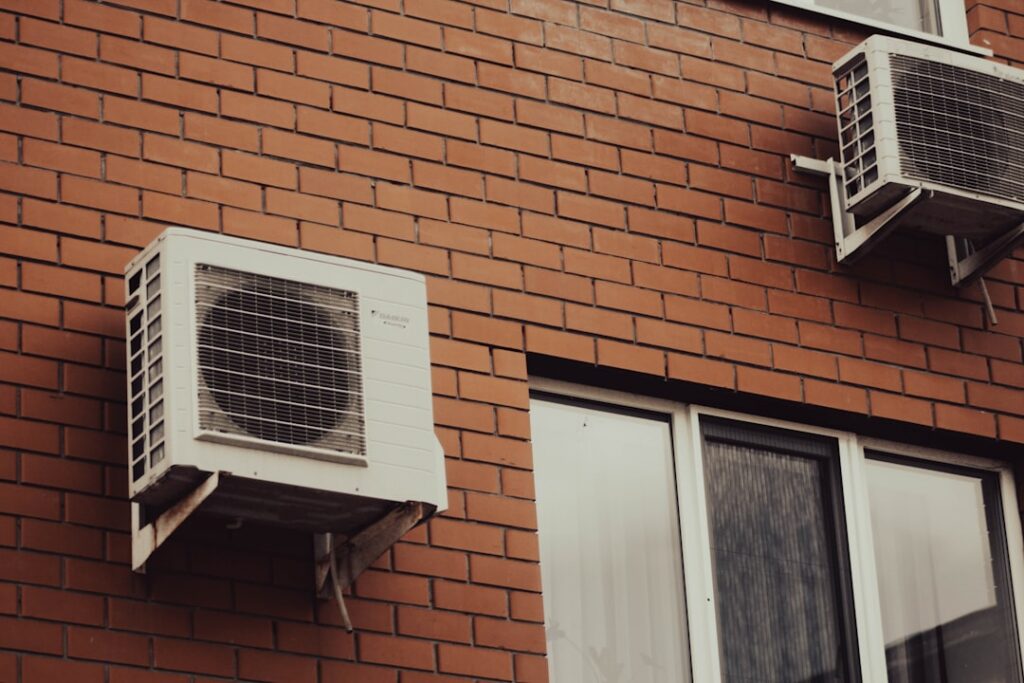
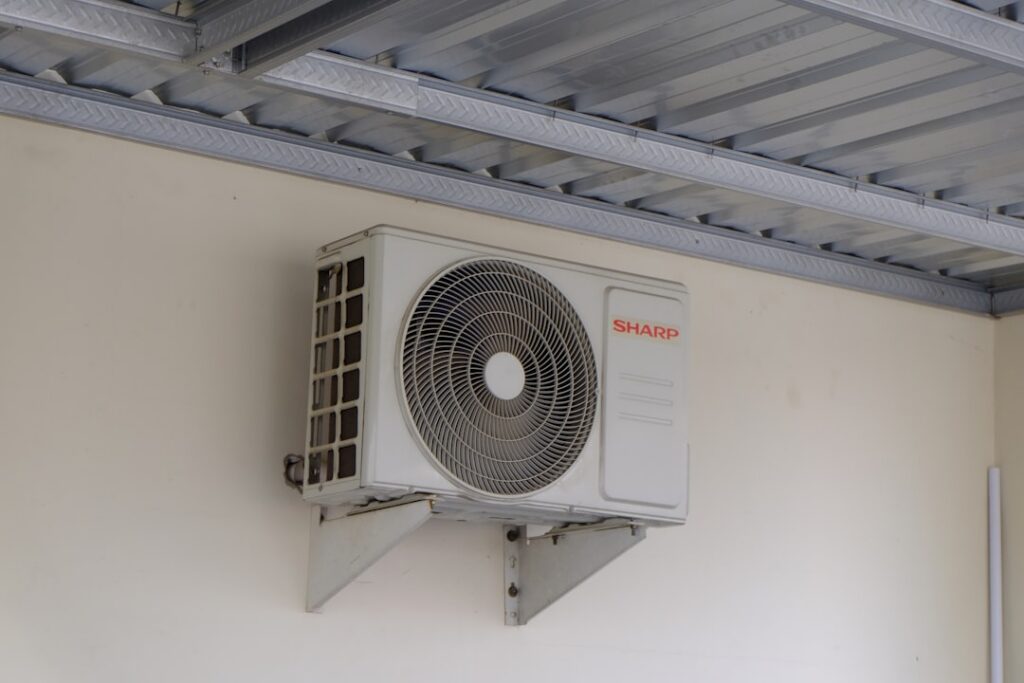
- They extract heat from outdoor air, even at low temperatures.
- A refrigerant cycles through an evaporator and compressor.
- The heat is upgraded and pumped into your heating circuit.
Advantages of Heat Pumps
- Ultra-low carbon emissions.
- Dual heating and cooling.
- Eligibility for government grants.
- Zero-carbon refrigerants like R290.
Limitations to Consider
- Higher upfront cost compared to some boilers.
- Performance depends on insulation and system design.
- Requires an electrical supply upgrade in some buildings.
In many commercial heat pump FAQs, we see questions about high flow temperatures. Megawave’s advanced units can deliver up to 75°C flow, satisfying most radiator systems. And since we use natural refrigerants, you get eco-friendly heating without compromise.
Addressing Common Concerns: Commercial Heat Pump FAQs
Here’s where we tackle the nitty-gritty. These commercial heat pump FAQs address the most frequent queries from building owners and developers.
1. Can a heat pump replace my boiler entirely?
Yes. If sized correctly, a heat pump can serve as a standalone system. Some clients opt for hybrid setups—combining a Megawave Air Source Heat Pump with an existing boiler. This smooths any peak demand without hassles.
2. Are heat pumps noisy?
Modern heat pumps run quietly, averaging around 64 dB(A). Megawave units are designed with low-noise compressors and optimised fans, keeping disruption to a minimum.
3. What maintenance do heat pumps require?
Annual servicing by a qualified engineer. Tasks include:
– Checking refrigerant levels
– Cleaning coils
– Verifying electrical connections
Proper upkeep ensures peak performance and extends warranty periods.
4. Will my building need insulation upgrades?
To hit optimal COP, you need good insulation and underfloor heating or suitably sized radiators. If you can address these before installation, you’ll maximise savings.
5. How much can I save on running costs?
Heat pumps cost roughly the same as a gas boiler to buy but up to 50% cheaper to run compared to oil or LPG. When you review our commercial heat pump FAQs, cost savings factor heavily.
6. Are there any government grants for heat pumps?
Yes—several grant schemes offset installation costs. We guide you through the application, ensuring you secure maximum incentives.
7. Can heat pumps achieve high flow temperatures?
Absolutely. Our Megawave units push water up to 75°C. This covers most existing heating systems without additional topping-up.
Installation and Maintenance Considerations
Getting your heat pump installed and maintained correctly is crucial. Mistakes here lead to lower performance and longer payback. In these commercial heat pump FAQs, we drill down on installation tips.
- Site Survey: A trained engineer assesses electrical capacity, outdoor space, and insulation.
- System Design: We tailor each Megawave solution to your building’s footprint and load profile.
- Commissioning: We offer a comprehensive handover, including performance testing and user training.
For an accurate estimate, Get a heat pumps installation quotation with Megawave. It’s quick, clear, and comes with no obligation.
Maintaining your system is straightforward:
– Annual servicing
– Simple filter changes
– Remote monitoring options
Halfway through your upgrade journey? Explore more commercial heat pump FAQs at Megawave
Environmental and Financial Impacts
The heart of many commercial heat pump FAQs is: “What’s the ROI?” Let’s break it down.
Environmental Benefits:
– Zero on-site carbon emissions when powered by renewable electricity.
– Natural refrigerants with ultra-low GWP.
– Supports net-zero targets and green certifications.
Financial Benefits:
– Operational savings of 30–50% vs fossil fuel boilers.
– Government grants reduce upfront spend.
– Flexible finance options spread costs over years.
– Fixed electricity rates shield you from gas price spikes.
Example ROI Calculation:
– Upfront cost: £15,000
– Grant support: £4,500
– Annual saving: £2,000
Payback period: ~5.25 years.
Adding the intangible value—improved ESG credentials and tenant appeal— pushes the case even further.
Testimonials
“Switching to Megawave’s air source heat pump was the best decision for our office block. We saw a 40% cut in energy bills within six months, and the team was brilliant throughout.”
– Sarah Mitchell, Property Developer“The installation was seamless, and the grant support process was handled end-to-end. Our tenants love the consistent warmth, and we love the savings.”
– David King, Building Owner“We compared multiple systems, but Megawave’s R290 technology offered the lowest environmental impact. It ticks every box for sustainability and cost.”
– Karen Patel, Facilities Manager
Conclusion: Your Next Steps
By now, you’ve seen how boilers and heat pumps compare, answered top commercial heat pump FAQs, and explored real-world benefits. Whether you’re a developer or building owner, Megawave delivers tailored, eco-friendly heating solutions with robust support and finance options. Ready to take the next step?
Discover commercial heat pump FAQs with Megawave’s Eco-Friendly Heating Revolution
Share
Related posts