Introduction: Your Roadmap to Renewable Heating Success
If you’re a homeowner in the UK, you’ve probably heard about the benefits of renewable heating. Geothermal and air source heat pumps both promise lower bills and smaller carbon footprints. But which one is right for your home? This guide unpacks the pros, the cons, and practical steps—like the heat pump grant application—so you can make a confident choice. Along the way, we’ll point out how to tap into available incentives and expert support. Apply for your heat pump grant application through Megawave’s eco-friendly heating revolution to get started today.
We’ll cover:
– How each system works
– Real-world running costs
– Installation and maintenance needs
– Permitting insights (even from US regs on Underground Injection Control)
– Tips to streamline your heat pump grant application
By the end, you’ll feel ready to pick the best solution and claim any available funding.
How Geothermal Heat Pumps Work
Geothermal heat pumps (ground source) use the Earth’s near-constant temperature as a heat source in winter and a sink in summer. Here’s the simple version:
- A loop of pipes—buried horizontally or vertically—circulates a fluid.
- In winter, the fluid picks up ground heat and brings it indoors.
- In summer, it dumps indoor heat back into the ground.
Some systems are open-loop. They draw groundwater, extract the heat, then reinject it. In Nevada’s UIC (Underground Injection Control) programme, open-loop residential systems need:
– Wells under 600 ft deep
– Discharge under 35,000 gal/day
– Similar quality water in production and injection wells
That US example shows how strict permitting can be. In the UK, ground loops need planning checks too—especially for deep vertical bores.
Benefits of Geothermal Systems
- High Efficiency: CoPs (Coefficient of Performance) of 4 or more. Every kW of electricity yields around 4 kW of heat.
- Longevity: Underground loops last 50+ years. The heat pump unit itself can run 20–25 years.
- Quiet Operation: No outdoor fan noise, just a whisper indoors.
- Stable Performance: Ground temps stay near 10–12 °C year-round.
Analogy: A ground source heat pump is like a marathon runner—slow, steady, and built for the long haul.
How Air Source Heat Pumps Work
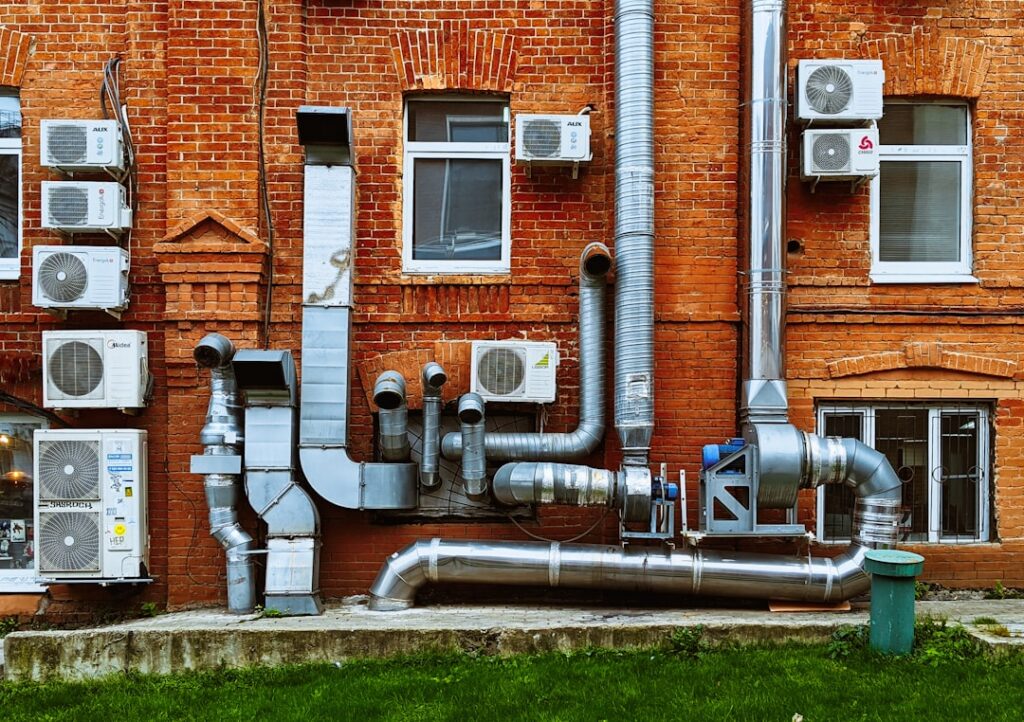
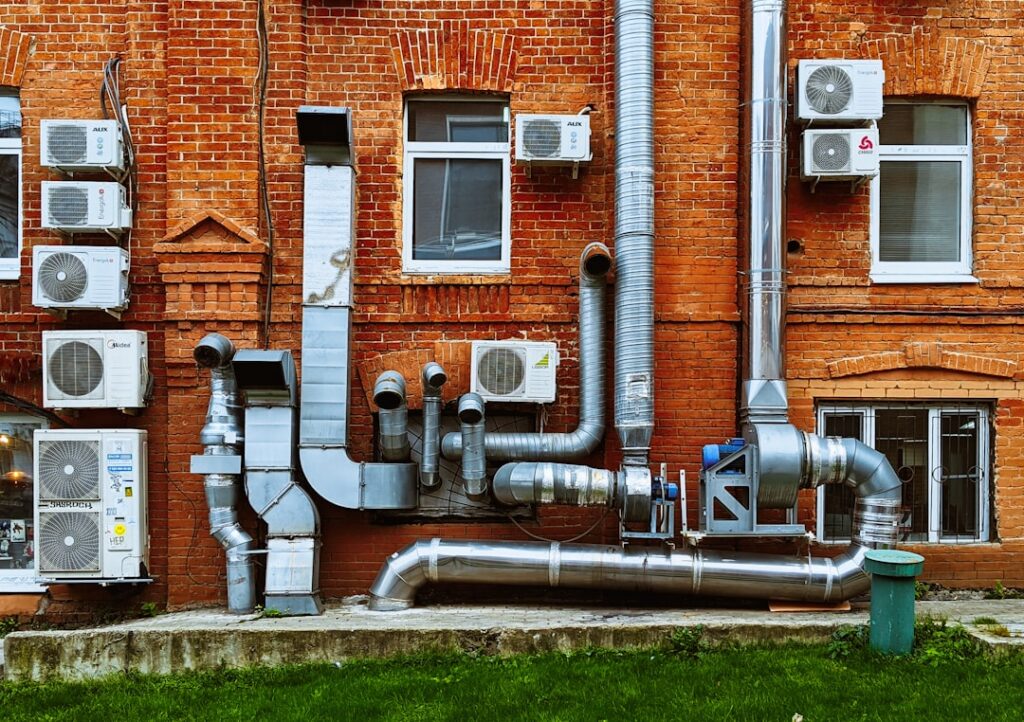
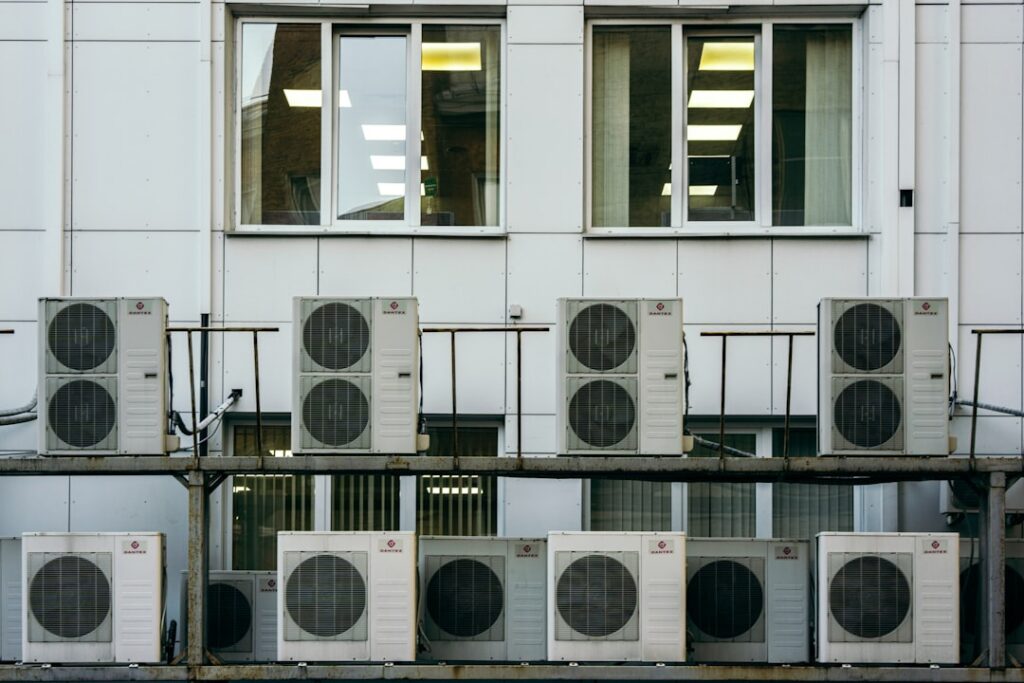
Air source heat pumps (ASHP) grab heat from the outside air, even in cool weather:
- A fan blows outside air over an evaporator coil.
- A refrigerant (often R290—a zero-carbon gas) absorbs that heat.
- A compressor raises the temperature further.
- Heat is sent indoors via your radiators or underfloor system.
It’s like your fridge in reverse—only you’re chilling the great outdoors and warming your living room.
Benefits of Air Source Heat Pumps
- Easier Installation: No deep drilling. Just mount the outdoor unit on a wall or concrete pad.
- Lower Upfront Cost: Typically 30–50% cheaper to install than ground source.
- Dual Function: Heats in winter, cools in summer.
- Grant Eligibility: Many homeowners qualify for UK support schemes.
When you’re ready to access funding, you can simplify the heat pump grant application by teaming up with specialists who handle paperwork and deadlines. Kickstart your heat pump grant application with Megawave’s tailored finance options
Geothermal vs Air Source: A Head-to-Head
Initial Cost
- Geothermal: £12,000–£18,000
- Air Source: £7,000–£12,000
Running Efficiency
- Geothermal: CoP ~4.5
- Air Source: CoP ~3.5 (drops slightly when temps fall)
Installation Impact
- Geothermal: Digging or drilling needed.
- Air Source: Minimal groundwork.
Planning & Permits
- Geothermal: May need local drilling consents.
- Air Source: Building regs check; sometimes planning permission required.
Tip: If you rent outdoor space or have a tight budget, ASHP often wins. If you own land and want maximum efficiency, GSHP could be best.
Installation and Maintenance Considerations
Professional installation matters. Megawave’s expert installation and maintenance services ensure:
– Optimal system sizing
– Correct loop design or unit siting
– Smooth commissioning
Post-install, annual maintenance keeps efficiency high. A quick refrigerant check, coil clean, and software update can maintain warranty and CoP.
Financing, Grants and the Application Process
The UK’s Boiler Upgrade Scheme and other grants can knock thousands off your bill. Key steps for your heat pump grant application:
- Check eligibility: homeowner or landlord, primary heating system.
- Get three quotes: include one from a certified installer.
- Choose eligible equipment: MCS-certified pump.
- Submit the online heat pump grant application form.
- Wait for pre-approval letter.
- Install within the given timeframe.
- Submit proof of completion for grant payment.
Pro tip: Having MCS certification and detailed quotes makes the process smoother. Installers like Megawave often guide you through every form.
Real-World Example: The Quiet Neighbourhood Swap
Think of a family in Surrey who swapped a gas boiler for a vertical ground loop system. They invested £15k, claimed a £6k grant, and now:
– Save £800/year on energy.
– Reduced emissions by 4 tonnes CO₂/year.
– Enjoy silent, even heating.
Is Geothermal or Air Source Right for You?
Ask yourself:
– Do I have space and budget for ground loops?
– Is a lower upfront cost more important?
– Do I need summer cooling?
– How quickly do I want grant approval?
A simple decision tree:
– Yes to land and top efficiency → Geothermal
– No to land constraints → Air Source
– Want dual heating/cooling → Air Source
Next Steps and Expert Help
Ready to dive in? Whether it’s mastering your heat pump grant application, tailoring system design, or scheduling expert installation, Megawave has you covered. Their zero-carbon refrigerant solutions and flexible finance options make the switch painless.
Explore expert help for your heat pump grant application with Megawave’s team
Make your home greener and your energy bills lighter today. You’ve got this!
Share
Related posts