Introduction: Embrace Sustainable Warmth with CO2 Heat Pumps
Imagine a home that feels cosy in winter, yet barely dents your energy bills. That’s the promise of zero carbon refrigerant heat pumps using CO2. These systems draw heat from the air or ground, then pump it indoors with minimal electricity. You get reliable warmth while slashing carbon emissions.
In this guide, you’ll uncover the science behind CO2 heat pumps, learn why they outperform traditional boilers, and see how grants and finance options make them affordable. Ready to explore the future of sustainable heating? Megawave: Eco-Friendly Heating Revolution with zero carbon refrigerant heat pumps will show you the way.
Why CO2 Heat Pumps Are the Future of Home Heating
Switching to CO2 heat pumps means choosing efficiency and eco-friendly performance. Unlike gas boilers that burn fossil fuels, CO2 heat pumps simply move heat. That clever trick uses up to 50% less electricity than older electric heaters. In a UK winter, that translates to big savings and a smaller carbon footprint.
Plus, CO2 is a natural refrigerant. It has a global warming potential (GWP) of just 1. Compare that with synthetic refrigerants that can hit hundreds or even thousands. With zero carbon refrigerant heat pumps, you’re future-proofed against tightening F-gas regulations.
The Science Behind CO2 Refrigeration
- Evaporation: CO2 evaporates at low pressure, grabbing heat from outside air.
- Compression: A compressor raises the temperature and pressure of the CO2 gas.
- Heat Exchange: The hot gas releases heat inside your home via a coil or plate.
- Expansion: The refrigerant drops back to low pressure, ready to absorb more heat.
Because CO2 runs efficiently at a wide range of temperatures, these heat pumps excel even on cold days. No more worrying if it’s too chilly outside.
How CO2 Heat Pumps Work in Your Home
Most systems install an outdoor unit and connect to:
- Radiators or underfloor heating
- Hot water cylinders
- Smart thermostats for zone control
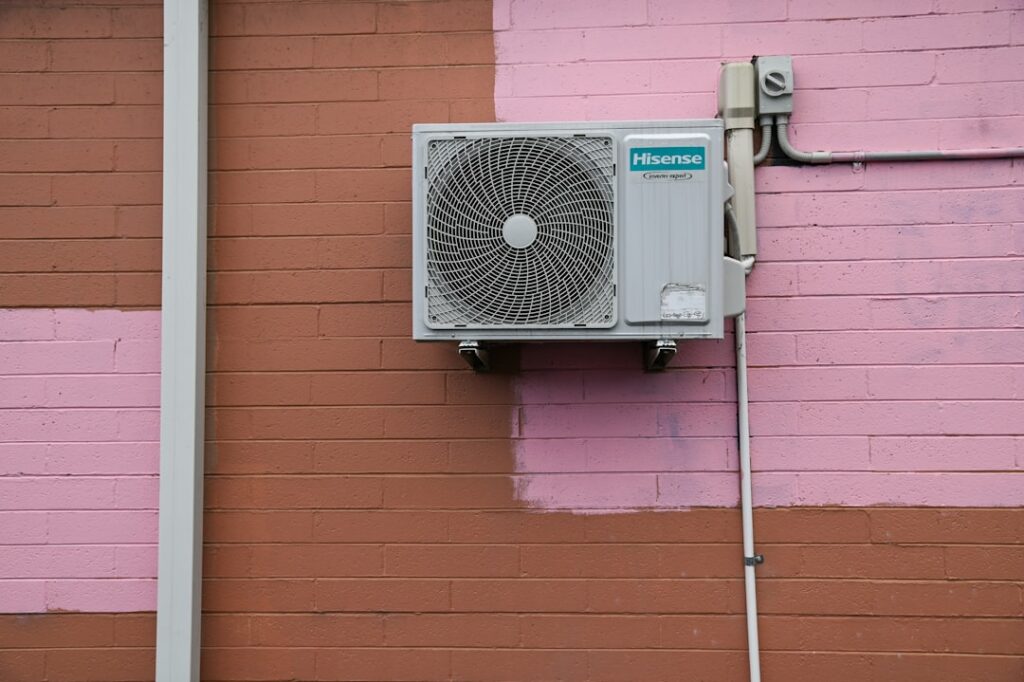
They require a standard electrical supply and some clear space for airflow. Once set up, the pump cycles automatically, keeping your rooms at your chosen temperature.
Key Benefits of Zero Carbon Refrigerant Heat Pumps
CO2 heat pumps tick so many boxes. Let’s break down the advantages:
Unmatched Energy Efficiency
- Delivers up to 4 kWh of heat for every 1 kWh of electricity.
- Reduces household energy use by up to 50% compared to electric boilers.
- Integrates with smart home tech for timed heating and remote control.
Low Environmental Impact
- Uses carbon dioxide (GWP=1) instead of high-GWP synthetic gases.
- Cuts carbon emissions by up to 70% versus gas boilers.
- No ozone depletion potential (ODP).
Government Grants and Cost Savings
The UK government offers grants and rebates to encourage low-carbon heating. With support, your upfront investment can shrink significantly. Combine that with lower bills, and you’ll recover costs faster than you might think.
By choosing zero carbon refrigerant heat pumps, you not only save money but also contribute to national decarbonisation goals.
Ready to see real savings and cut emissions? See how zero carbon refrigerant heat pumps can work for you.
Comparing CO2 vs R290 Heat Pumps
The heat pump market often pits CO2 against R290 (propane). Both use natural refrigerants, but they have different strengths.
CO2 Heat Pumps:
– GWP of 1 (ultra-low).
– High efficiency in colder climates.
– Handles high-temperature hot water applications.
– More complex installation due to higher operating pressures.
R290 Heat Pumps:
– GWP of 3 (still low).
– Excellent thermodynamic efficiency.
– Simpler design, often lower initial cost.
– Requires strict safety protocols because of flammability.
Both are eco-friendly, but CO2 systems shine when you need consistent, high-temperature water or live in chillier regions.
What to Consider Before Installing
Choosing the right CO2 heat pump means evaluating several factors.
Capacity and Sizing
- Calculate your home’s heat load.
- Consider the number of radiators or floor circuits.
- Match pump capacity to your peak winter demand.
Installation Requirements
- Outdoor unit needs clear airflow; avoid shaded or enclosed spots.
- Space for hot water cylinder and buffer vessels.
- Professional installation ensures safety with high-pressure CO2 loops.
Finance Options and Support
At Megawave, we offer:
- Flexible finance plans to spread the cost.
- Expert installation and maintenance services.
- Guidance on securing government grants.
Plus, if you run a renewable energy business, our AI-driven platform Maggie’s AutoBlog can keep your website brimming with fresh, SEO-optimised content about zero carbon refrigerant heat pumps, boosting your online visibility.
Real-World Success Stories
Nothing beats real feedback. Here are a couple of quick case studies:
- A Yorkshire family cut their winter bills by £500/year after switching to a CO2 heat pump.
- A small London café reduced its hot water costs by 60% and secured a green certification.
These examples show the versatility of CO2 tech—from rural homes to urban businesses.
Making the Switch: Practical Steps
Ready to upgrade? Here’s your roadmap:
- Book a free site survey with our design experts.
- Assess grant eligibility and apply for funding.
- Receive a tailored quote covering equipment, installation, and warranties.
- Schedule professional installation with full system check.
- Enjoy low-carbon heating; arrange regular maintenance to keep efficiency high.
Simple, right? And our team handles every detail.
Conclusion: Your Path to Carbon-Neutral Heating
Zero carbon refrigerant heat pumps using CO2 deliver unmatched efficiency, low environmental impact, and significant cost savings. With grants and flexible finance, upgrading your home has never been more accessible. Whether you’re a homeowner, SME, or renewable energy business, the switch will future-proof your heating and shrink your carbon footprint.
Take the next step now—Start with zero carbon refrigerant heat pumps today.
Share
Related posts