Turning Coal Mines into Clean Heat: A UK Success Story
What if the rusty shafts of an old coal mine could warm your home? In Gateshead, the local council teamed up with GEA to pull 15 °C mine water from 150 m underground and, with giant ammonia heat pumps, boost it to 80 °C. That’s enough to supply heat to 350 homes, public buildings and a brand new care home—on a zero-carbon journey. This real-world scheme shows how bold engineering can reshape a legacy of coal into a future of clean warmth.
But there’s a catch. Mine-water schemes need the right geology. Big upfront costs. And ammonia, though efficient, demands strict safety measures. For most SMEs and homeowners, that model feels out of reach. Enter air source heat pumps by Megawave. They tap ambient air, not old mines. They use R290, a zero-carbon refrigerant. And they come with expert installation, maintenance support and even flexible finance. Curious how this stacks up? Discover Megawave’s low-carbon heating solutions for innovative air source heat pump systems
The Gateshead Mine Water Heat Recovery Project
Project Background
In the heart of Northeast England, Gateshead City Council set bold targets:
– Provide cheaper heat to residents.
– Slash carbon emissions by 2030.
– Supplement an existing combined heat and power (CHP) network.
Together with GEA, they drilled old coal shafts. Two 3 MW ammonia heat pumps now extract natural warmth from mine water. The pumps boost 15 °C water to 80 °C. Then the cooled fluid (8 °C) returns underground. The result? An extra 12 GWh of heat for homes, schools and public buildings.
How It Works
- Extraction: Mine water at 15 °C is pumped up.
- Heat Pumping: GEA’s two-stage screw compressors use ammonia to ramp temperatures.
- Distribution: Hot water (65–80 °C) feeds the district heating network.
- Renewable Power: Solar parks offset the electrical energy needed—so two-thirds of the heat comes free from the mines.
The scheme proves: mining heritage can drive low-carbon heating solutions. Yet it also underlines limitations—geography, capex and scale.
Limitations of Mine Water Heat Pumps
No doubt, Gateshead is impressive. But let’s be honest:
– Geological dependency: You need old, flooded mines nearby.
– High installation costs: Drilling, large compressors, safety systems.
– Ammonia handling: Ammonia is efficient (zero global warming potential) but toxic.
– Scale constraints: Best for district networks—less so for single buildings.
These factors make it tricky for most SMEs or homeowners to jump on board. They need flexible, accessible alternatives that still deliver significant carbon cuts.
Megawave’s Air Source Heat Pump Solutions
Why Air Source Pumps Matter
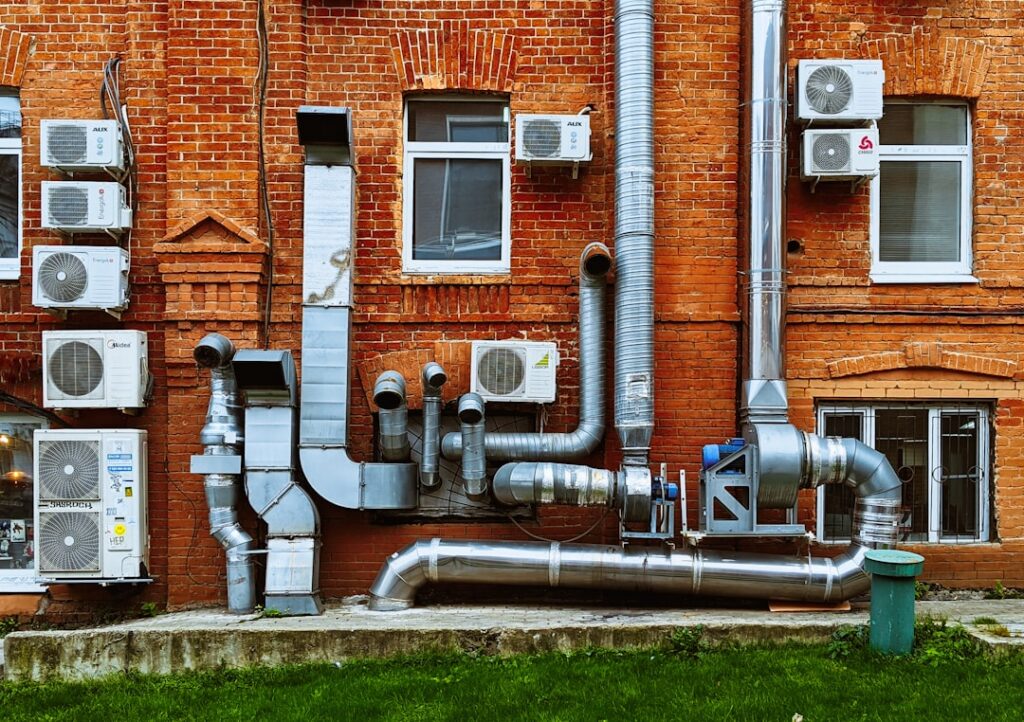
Air source heat pumps draw warmth from the outside air. Modern units can work down to –15 °C. No mine shafts needed. You get:
– Versatility: Single homes, offices or light industrial premises.
– Scalability: One module or several, depending on your needs.
– Simplicity: Less civil engineering, fewer safety hoops.
Technical Advantages: R290 and Smart Controls
Megawave uses R290, a natural refrigerant with zero global warming potential. Compared to ammonia systems:
– It’s non-toxic and easier to handle.
– Provides comparable efficiency (COPs up to 4.5 in real conditions).
– Integrates seamlessly with smart thermostats and building management systems.
Add real-time monitoring and you optimise run times and reduce bills.
Get a personalised demo of low-carbon heating solutions with Megawave’s expertise
Tailored Services: Installation, Maintenance, Finance
It’s not just kit. Megawave offers:
– Site Assessment & System Design: We map your heat demand and lay out the ideal pump configuration.
– Expert Installation: Certified engineers handle everything end-to-end.
– Ongoing Maintenance: Scheduled check-ups and remote monitoring keep performance high.
– Flexible Finance Options: Spread costs or tap into government grants for heat pumps.
Comparing Outcomes: Gateshead vs Megawave
| Feature | Gateshead Mine Water (GEA) | Megawave Air Source Heat Pump |
|---|---|---|
| Heat Source | 15 °C mine water | Ambient air (–15 °C to 35 °C) |
| Refrigerant | Ammonia (NH₃) | R290 |
| COP | ~2.9 | 3.5–4.5 |
| Scale | District network (350+ homes) | Single buildings to SMEs |
| Installation Complexity | High (drilling, safety, pumps) | Moderate (outdoor unit, indoor inverter) |
| Environmental Risk | Ammonia toxicity | Low (non-toxic refrigerant) |
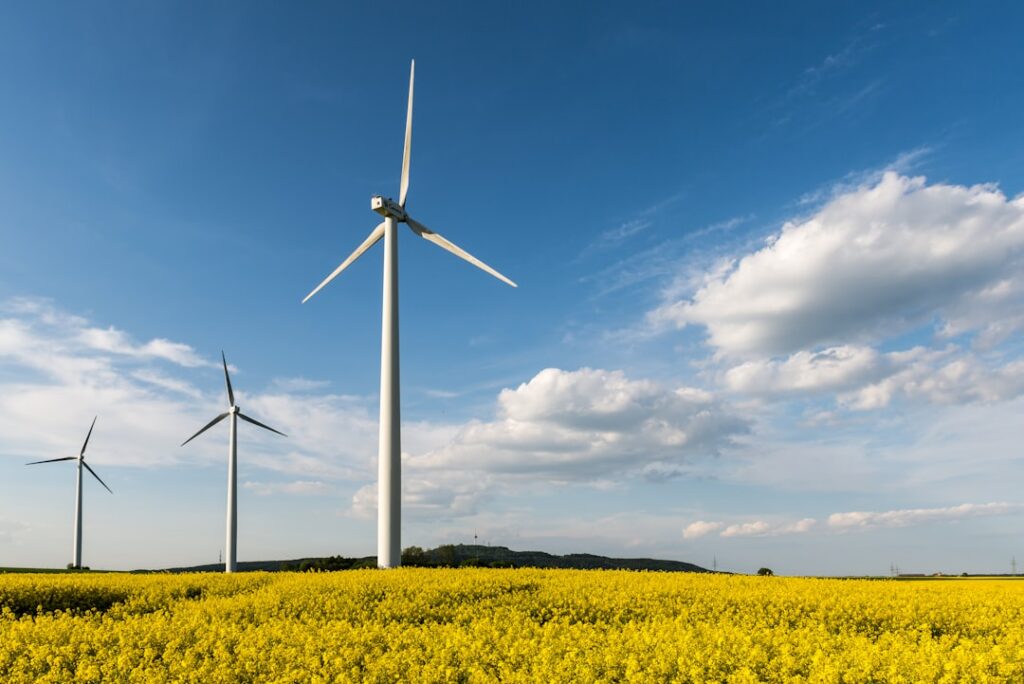
| Renewable Energy Integration | Solar parks for electricity | PV arrays, wind or grid renewable mix |
| Capital Expenditure | £millions | Tens to hundreds of thousands (modular) |
Implementing for SMEs: Practical Steps
1. Assessment and Design
- Survey your site: insulation, heat loss, space for outdoor units.
- Calculate peak heat demand.
- Choose pump size (10–50 kW typical for SMEs).
2. Installation and Commissioning
- Prepare mounting pads and plumbing.
- Install indoor inverter and connect to radiators or underfloor circuits.
- Commission with Megawave’s engineers for optimal controls.
3. Ongoing Support
- Regular filter and refrigerant checks.
- Remote performance data analysis.
- Quick response to service calls.
This streamlined approach helps small businesses minimise disruption and see ROI in 4–7 years.
Financial Incentives and Cost Analysis
The UK government backs heat pumps:
– Boiler Upgrade Scheme: Grants up to £5,000 for air source heat pumps.
– Local Authority Grants: Some councils top-up central funds.
– Tax Breaks: Potential in business rates or capital allowances.
Combine grants with Megawave’s finance plans and you could slash upfront spend by 30–50%. Add energy savings of up to 60%, and payback becomes very attractive.
Conclusion: Embrace the Future of Clean Heat
The Gateshead mine water project shines as a landmark in district decarbonisation. But its scale and costs keep most SMEs on the sidelines. Megawave’s innovative air source heat pumps deliver comparable carbon cuts—without mines or ammonia. You get safe, efficient units, backed by tailored design, installation and finance. Ready to upgrade to low-carbon heating solutions that work for your business?
Start your low-carbon heating solutions journey with Megawave
Share
Related posts