Why Renewable Heating Matters
Traditional boilers guzzle gas or oil. They spew CO₂. Energy costs rise faster than your coffee tab. You want comfort, warm toes, and a clear conscience. Renewable heating systems are stepping up to save the day.
The Carbon Crisis in Heating
- Domestic heating accounts for nearly 20% of the UK’s carbon emissions.
- Fossil fuels are volatile in price and availability.
- Governments push for net-zero targets by 2050.
Government Push and Grants
You might not fancy paperwork. Good news: The Heat Pumps UK team handles grants from start to finish. Between the Boiler Upgrade Scheme and local incentives, you can slash installation costs by up to 30%.
Biomass Boilers: Pros and Cons
Biomass boilers burn organic materials—often wood chips or pellets—to produce heat. They’ve been around for decades. Big players like Woodco have installed thousands across Europe. Let’s break it down.
How Biomass Works
- Fuel Storage: Wood chips or pellets are kept in a silo.
- Automated Feed: An auger dumps fuel into the combustion chamber.
- Combustion: The fuel burns, heating water in the system.
- Emission Control: Filters reduce particulates.
Strengths of Biomass Boilers
- Established Technology: Proven for large-scale projects.
- Fuel Availability: Wood pellets are widely sold in Europe.
- Long Lifespan: Well-maintained units can run for 20+ years.
Limitations of Biomass Boilers
- Space Requirements: You need room for fuel storage and the boiler itself.
- Maintenance: Regular ash removal and annual servicing.
- Supply Chain Risks: Pellet shortages can hit during peak demand.
- Emission Concerns: Although renewable, biomass emits particulates and CO₂ during combustion.
Air Source Heat Pumps: A Fresh Approach
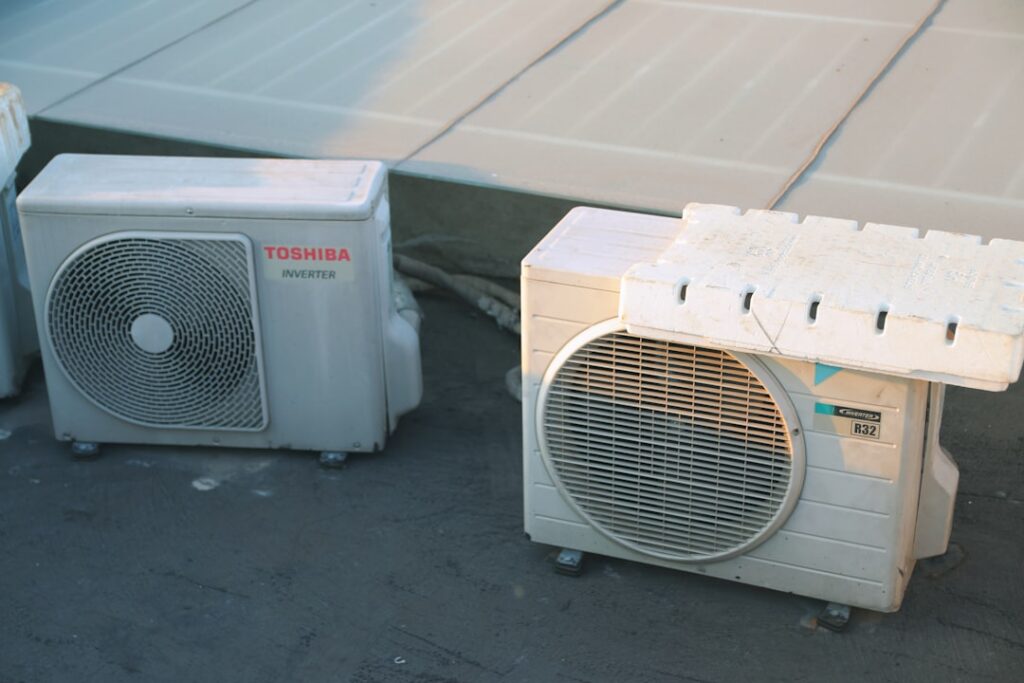
Air source heat pumps (ASHPs) extract warmth from outdoor air—even when it’s low. They use electricity to move heat, rather than generate it by burning fuel.
How Heat Pumps Work
- Air Intake: A fan draws in cold air.
- Heat Exchange: A refrigerant (often R290) absorbs heat.
- Compression: Temperature climbs as the refrigerant is compressed.
- Distribution: Warmth flows into your radiators or underfloor heating.
Benefits of Air Source Heat Pumps
- Zero On-Site Emissions: No combustion, no soot.
- Year-Round Use: Heating in winter, cooling in summer.
- Energy Efficiency: A COP (coefficient of performance) of 3 means 1 kW electricity delivers 3 kW heat.
- Compact Footprint: Smaller than bulky biomass silos.
Potential Drawbacks
- Performance in Extreme Cold: Efficiency dips below −5 °C.
- Upfront Costs: Higher initial price than a gas boiler.
- Electricity Dependence: Your carbon footprint ties to your electricity mix.
Comparing Biomass Boilers vs Heat Pumps
Let’s line them up side by side. When it comes to biomass boilers vs heat pumps, which ticks more boxes for you?
Efficiency & Running Costs
- Biomass: 80%–90% efficient. Pellet prices fluctuate.
- Heat Pumps: 250%–400% efficient. Electricity rates more stable.
Environmental Impact
- Biomass: Renewable, but still emits CO₂ and particulates.
- Heat Pumps: Zero on-site emissions. Use renewable electricity for full green credentials.
Installation & Maintenance
- Biomass:
- Large footprint.
- Ash disposal.
- Yearly descaling and filter changes.
- Heat Pumps:
- Smaller unit outside.
- Annual health check.
- No fuel deliveries.
Why Choose Megawave Air Source Heat Pumps?
Our Megawave range is purpose-built to outshine biomass boilers. Here’s how we address your concerns:
Zero-Carbon Refrigerants
We use R290, a natural refrigerant with a global warming potential close to zero. That’s more eco-friendly than legacy alternatives.
Expert Installation and Maintenance Services
Our certified engineers fit your system and fine-tune it. Then we stay on call. No surprises. Just comfort.
Flexible Finance and Grants Support
We guide you through the Boiler Upgrade Scheme, local incentives, and finance plans. You could start saving from day one without draining your savings.
Making the Right Choice for Your Home
Choosing between biomass boilers vs heat pumps can feel like splitting hairs. Ask yourself:
- How much space do I have for equipment and fuel?
- Do I prefer automated delivery or a compact outside unit?
- What’s my budget and appetite for maintenance?
- How important is on-site emission reduction?
Questions to Ask
- What is the COP of the heat pump at −5 °C?
- How often does a biomass boiler need ash removal?
- Are there local biofuel suppliers near me?
- Which system qualifies for the most grants?
Real-Life Examples
- A school in Manchester cut energy bills by 40% with an ASHP, thanks to a +3.2 COP.
- An SME in Scotland swapped gas for biomass, saving £10,000 yearly—but now wrestles with pellet shortages.
- A family in Brighton installed a Megawave unit and enjoyed both heating and cooling for a fixed monthly plan.
Conclusion
The debate of biomass boilers vs heat pumps isn’t one-size-fits-all. Biomass suits large estates and agricultural setups. But for most homes and SMEs, air source heat pumps hit the sweet spot:
- Minimal emissions on-site.
- Exceptional efficiency.
- Space-saving design.
- Smooth integration with renewable electricity.
Ready to ditch fossil heat for a greener future? Let’s get your project off the ground.
Share
Related posts