Why You Should Consider Heat Pump Training Today
Fancy a career that’s in demand, eco-minded and hands-on? Becoming an air source heat pump engineer ticks all those boxes. Heat pump training arms you with the know-how to install, service and maintain systems that slash carbon emissions. It’s practical, dynamic and offers a clear path to a stable income.
This guide walks you through every step: from understanding how an air source heat pump works, to the skills you need, the qualifications you’ll earn and the industry prospects waiting for you. Ready to turn green ambitions into a day job? Discover Megawave’s heat pump training programmes and take your first step towards a future-proof trade.
Understanding Air Source Heat Pumps
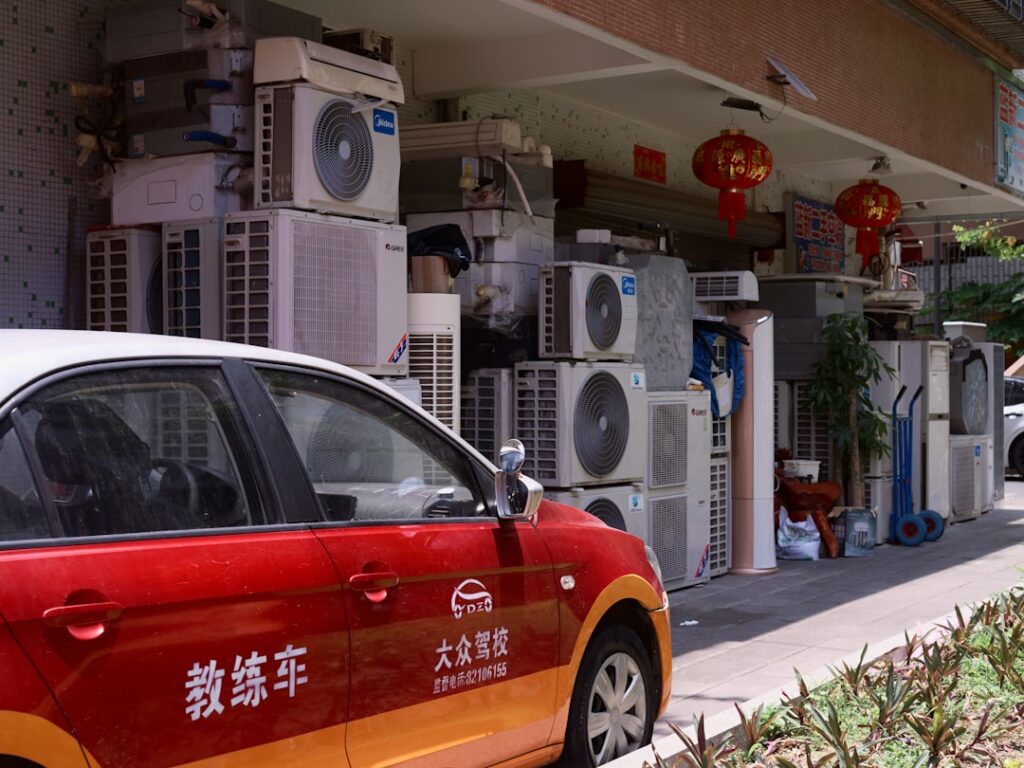
Air source heat pumps (ASHPs) have gone mainstream. They borrow thermal energy from outside air and pump it indoors. In winter, they heat radiators or underfloor systems. In summer, they can reverse cycle for cooling. All using electricity—no direct fossil fuel burn.
How They Work
- A fan draws air over an evaporator coil.
- Low-temperature refrigerant absorbs heat from that air.
- The refrigerant is compressed, raising its temperature.
- Heat is exchanged with water circuits inside your home.
- The cycle repeats, keeping homes cosy with high efficiency.
Key Benefits
- Eco-Friendly: Cuts CO₂ emissions by up to 60% compared to gas boilers.
- Cost Savings: Lower running costs thanks to government grants and electric tariffs.
- Dual Function: Heating in winter, cooling in summer.
- Long Lifespan: Well-maintained units last 15-20 years.
Understanding the basics is the first step. Next, let’s explore the life of a heat pump engineer.
The Role of an Air Source Heat Pump Engineer
So, what does your day look like? You’ll be out on site most days. A toolbox in one hand, digital installer’s guide in the other.
Day-to-Day Responsibilities
- Surveying properties and advising on ideal system design.
- Installing heat pump units, pipework and controls.
- Commissioning systems and testing for leaks or faults.
- Carrying out routine maintenance and emergency repairs.
- Logging job details and filing compliance paperwork.
Must-Have Skills
- Basic installer credentials (e.g. CSCS card).
- Good grasp of refrigeration principles.
- Familiarity with digital commissioning tools.
- Strong problem-solving and attention to detail.
- Customer-facing skills – explaining technology in plain English.
As you can see, the role blends technical precision with customer care. That’s why proper heat pump training is vital.
Heat Pump Training with Megawave
Getting qualified means hands-on practice. Megawave’s training courses cover everything from theory to real-world installations. You’ll learn how to:
- Tailor system designs to different building types.
- Handle zero-carbon refrigerants like R290 safely.
- Carry out seamless installations that hit performance targets.
- Provide ongoing maintenance support and troubleshoot faults.
- Navigate government grants and flexible finance options for clients.
Our expert trainers have years of field experience. You’ll be on live projects from day one. By course end, you’ll feel confident installing and servicing heat pumps in any setting.
What Alumni Are Saying
“Megawave’s course was exactly what I needed. The trainers broke down complex theory into simple steps. After certification, I landed my first job within weeks.”
— Emma Clarke, Brighton“I came in with no HVAC background. The hands-on sessions gave me real confidence. Now I manage installations from start to finish.”
— Luke Thomas, Manchester“Top-notch support from Megawave even after I qualified. Their maintenance guidance helped me keep clients happy.”
— Sarah Patel, Leeds
Certification and Qualifications
In the UK, you need recognised credentials to work on refrigerant systems and benefit from grants. Here’s the typical pathway:
- City & Guilds Level 3 in Refrigeration and Air Conditioning.
- F-Gas Regulation certification for handling fluorinated gases.
- MCS (Microgeneration Certification Scheme) approval—key for government incentives.
- A valid CSCS card (Construction Skills Certification Scheme).
Megawave’s training covers exam prep and practical tasks for each. Once you pass, you can apply for registrations and score more work. Earning these qualifications opens doors to sole trader status or working for major contractors.
Ready to get started? Start your heat pump training journey with Megawave and secure your certifications.
Industry Prospects and Career Progression
Demand for air source heat pump engineers is soaring in the UK. Here’s why:
- Government net-zero targets and new building regs.
- Attractive grant schemes like the Boiler Upgrade Scheme.
- Rising energy costs making heat pumps more cost-effective long term.
- Growth in retrofit projects and smart home integrations.
Entry-level engineers typically earn £28,000–£35,000. With experience, you can move into senior engineer roles or project management (£40,000+). Some even branch into bespoke system design or sales consultancy. Later on, you might specialise in ground source pumps, hybrid systems or factory-level commissioning.
Whichever path you choose, your skills stay in demand. And continuous CPD (Continuing Professional Development) keeps you at the cutting edge of zero-carbon tech.
Conclusion
Air source heat pump engineering is a solid bet for a green, hands-on career. You’ll gain in-demand skills, cut carbon and enjoy stable earnings. With comprehensive training, certification support and real-world practice, Megawave equips you to thrive from day one.
Take the first step towards a rewarding trade. Get certified in heat pump training at The Heat Pumps and start making a difference today.
Share
Related posts