Introduction: Efficiency Face-Off for British Homes
Ever wondered why one heat pump can sip electricity like a careful tea-drinker, while another gulps power like it’s closing time at the pub? That’s the core of the geothermal vs air pump efficiency debate. Both systems move heat instead of generating it, but the source – air or ground – makes a world of difference to performance, running costs and carbon footprint.
In this guide, we’ll cut through the jargon. You’ll learn how each system works, their pros and cons, and which suits your UK home. Plus, we’ll dive into grant schemes, payback periods and practical tips. To discover how you can optimise your home heating with geothermal vs air pump efficiency, explore Megawave: Eco-Friendly Heating Revolution for Geothermal vs Air Pump Efficiency.
How Heat Pumps Work
The Basics: Moving Heat, Not Making It
- Heat exchange: Pumps extract warmth from a source (air or ground) using a refrigerant.
- Compression: A compressor raises the temperature.
- Distribution: Warmth is released inside via radiators or underfloor systems.
- Reverse cycle: In summer, the flow flips – your home becomes the heat source.
This cycle uses far less electricity than burning fuel. No flame, no emissions on-site. Just clever physics.
Air Source Heat Pumps: Pros and Cons
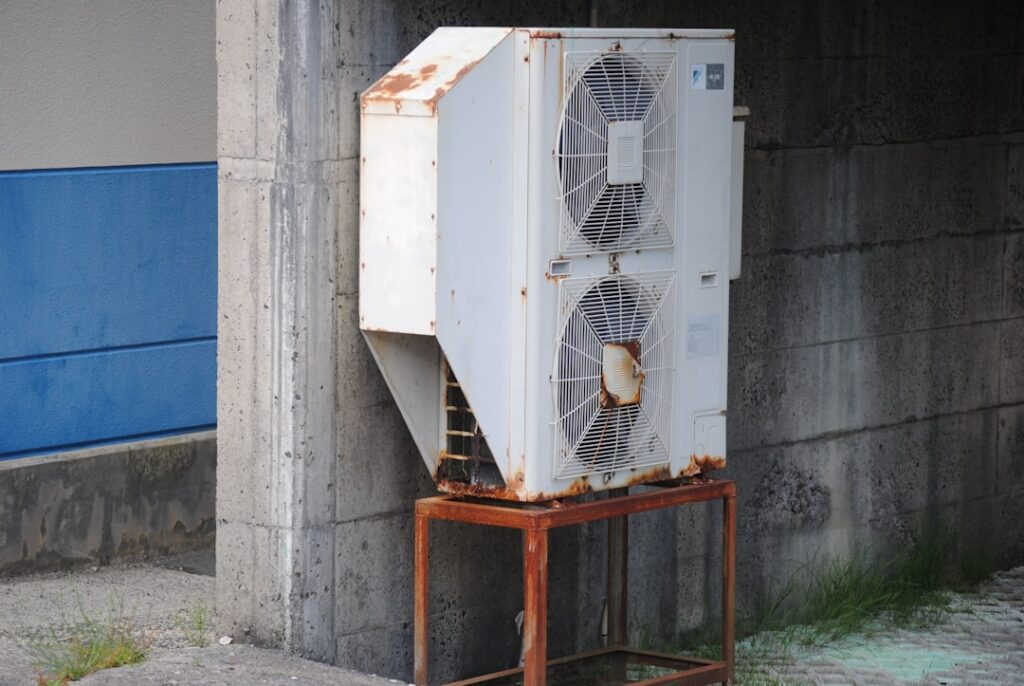
Air source units are outside your home, drawing warmth from ambient air. They’re popular, widely available and easier to install.
Pros:
– Lower upfront cost (£7k–£12k).
– Quick install – minimal groundworks.
– Works as a reverse-cycle air conditioner in summer.
– Government incentives (Boiler Upgrade Scheme) can shrink your bill.
Cons:
– Performance drops below 5 °C.
– Defrost cycles reduce efficiency in freezing conditions.
– Back-up heating often needed in winter snaps.
Ground Source (Geothermal) Heat Pumps: Pros and Cons
Geothermal systems burrow loops 1–2 metres underground. They tap into the Earth’s stable ~10 °C temperature year-round.
Pros:
– High and consistent COP (Coefficient of Performance) of 4–5 (400–500% efficiency).
– No efficiency loss in cold snaps.
– Longer lifespan: 50+ years for loops; 20–25 years for indoor kit.
Cons:
– Higher installation cost (£15k–£25k).
– Requires garden space or drilling rights.
– More complex install – deeper groundworks.
Efficiency Comparison: Geothermal vs Air Pump Efficiency
When comparing geothermal vs air pump efficiency, think COP and Seasonal Performance Factor (SPF):
- Air-source COP: 2.5–3.0 under mild conditions (~250–300%). Can drop to 1.5 in sub-zero.
- Geothermal COP: 4.0–5.0 year-round (~400–500%).
- EPA data suggests a geothermal system can cut energy use by over 40% compared to top-tier air-source units, and by 70% versus traditional boilers.
In practical terms:
– A 10 kW air-source pump might need 4 kW of power in winter;
– A ground-source unit of the same capacity uses just 2 kW.
Less electricity. Lower bills. More stable comfort.
Cost Breakdown: Installation and Long-Term Savings
Upfront Investment
- Air source: £7,000–£12,000 installed.
- Ground source: £15,000–£25,000 installed.
Prices vary by property type, installer and system size. Geothermal needs trenches or boreholes; air source just needs clearance around the outdoor unit.
Grants and Incentives
UK homeowners can tap:
– Boiler Upgrade Scheme: Up to £5,000 for heat pumps.
– Local council grants and energy supplier rebates.
That slices a chunk off the upfront bill.
Payback and ROI
- Air source: Typical payback in 7–10 years.
- Geothermal: Often repaid in 8–12 years, thanks to higher efficiency and longevity.
Even if ground-source costs more initially, the longer lifespan and stable output can make it a savvy choice. And with soaring energy prices, every kilowatt saved adds up.
Mid-Article CTA
If you’re ready to upgrade your system and boost your geothermal vs air pump efficiency, explore Explore Megawave’s Geothermal vs Air Pump Efficiency Solutions for tailored guidance.
Benefits Beyond Efficiency: Comfort, Carbon and Control
Year-Round Comfort
Geothermal maintains stable indoor temperatures without noisy defrost cycles. Air-source delivers quick heat-up but struggles in deep freeze.
Carbon Footprint
- Air-source pumps – up to 60% lower CO₂ than gas boilers.
- Geothermal – up to 75% lower, thanks to consistent ground temperatures and zero-carbon refrigerants like R290.
Smart Controls & Maintenance
- Smart thermostats and zoning maximise performance.
- Megawave’s expert installation and maintenance services ensure systems run at peak efficiency year after year.
- Flexible finance options make advanced heat pump tech accessible.
Which System Suits Your UK Home?
Ask yourself:
– How cold do your winters get?
– How much garden space is available?
– What’s your budget and payback horizon?
– Do you plan to stay long-term?
Air source is ideal for tight gardens, modest budgets and moderate climates. Geothermal favours larger plots, eco-focused households and those seeking the highest stability and savings.
Conclusion
Choosing between air source and ground source heat pumps boils down to balancing upfront spend, space constraints and long-term goals. Both beat fossil fuels on efficiency and carbon. For reliable, expert advice—and to supercharge your geothermal vs air pump efficiency—tap into Get Expert Advice on Geothermal vs Air Pump Efficiency with Megawave.
Share
Related posts