Heating Showdown: A Quick Look at Commercial Geothermal vs Air Source
Choosing between commercial geothermal vs air source heat pumps can feel like standing at a crossroads. On one side, you’ve got ground-loop systems packed underground. On the other, sleek outdoor units that sip warmth from the air. Both promise low running costs and greener credentials. But which one truly fits your building’s needs?
In this guide, we break it down. We’ll cover:
– How each system works in a commercial setting.
– Efficiency, installation complexity and long-term savings.
– The hidden costs and real-world performance.
By the end, you’ll know exactly why commercial geothermal vs air source is more than a debate—it’s a decision that shapes your energy bill and carbon footprint. Ready to see which side wins for your property? Explore commercial geothermal vs air source solutions with Megawave and get the facts.
How Air Source Heat Pumps Work in Commercial Buildings
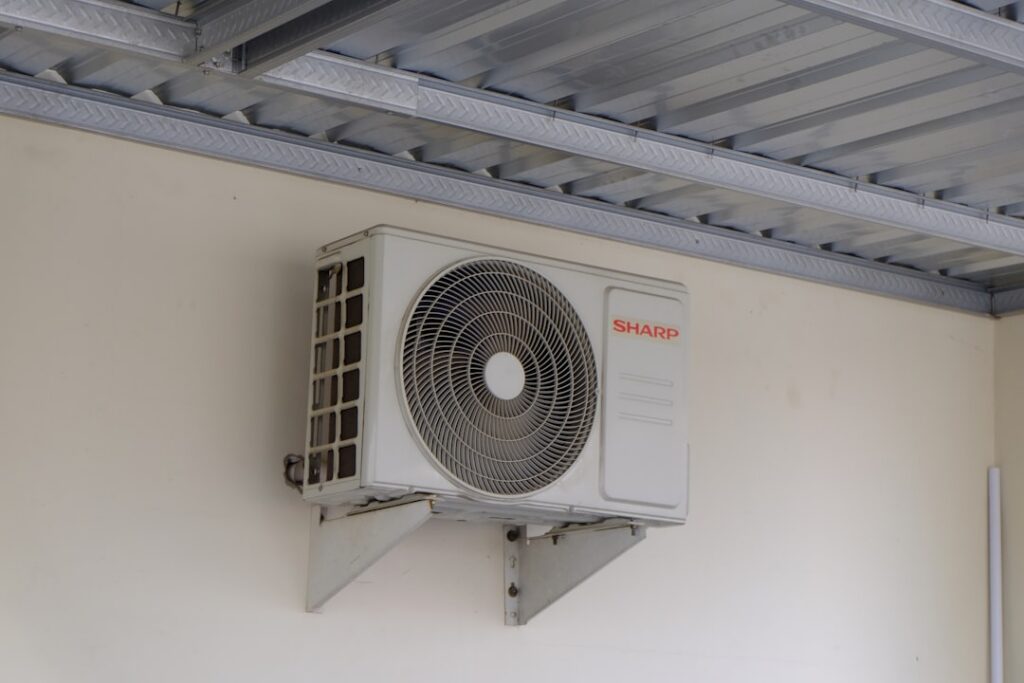
Air source heat pumps (ASHPs) have exploded in popularity. They’re compact. They require no drilling. And modern units can heat and cool. All by moving heat in or out of the air. Here’s the lowdown:
- Heat Exchange: Outdoor fans draw in air. The refrigerant (often R290, a zero-carbon gas) picks up warmth.
- Compression Cycle: A compressor boosts that warmth to a usable temperature.
- Distribution: Hot water is sent through radiators, underfloor heating or hydronic fan coils.
In summer, the process reverses. Warmth gets sucked out of the building. Dumped back outside. Instant cooling with the same equipment.
Why UK businesses love ASHPs:
– Flexibility: Perfect for retrofits and extensions.
– Lower Capital Cost: No boreholes needed.
– Quick Installation: Often done in days, not weeks.
And if you want expert support, Megawave offers tailored system designs, professional installations and maintenance plans. Plus, you can start your air source heat pump quote today to see exact figures for your site.
The Ins and Outs of Geothermal Heat Pumps
Geothermal—or ground source—heat pumps tap the earth’s stable temperature. In large commercial settings, vertical boreholes or horizontal loops lie beneath car parks or lawns. Here’s how they function:
- A loop field of pipes sits underground.
- A pump moves water or antifreeze through those pipes, absorbing earth-sourced heat.
- The heat pump concentrates that energy and sends it to your underfloor heating or radiators.
In summer, that loop absorbs heat from the building and dumps it back into the ground. It’s simple physics. But the installation? Not always simple.
Strengths of geothermal:
– Remarkable efficiency (COP up to 4.1).
– Year-round stability, unaffected by air temperature swings.
– Low running costs for decades.
Yet drawbacks emerge:
– High upfront cost for drilling and groundworks.
– Site-specific feasibility—space and ground conditions matter.
– Longer lead times and planning permissions.
So when weighing commercial geothermal vs air source, those practical hurdles can tip the scales.
Efficiency Face-Off: COP and Running Costs
Efficiency is the name of the game. It’s measured by the Coefficient of Performance (COP). Simply put, higher COP means more heat for each unit of electricity.
- Geothermal systems often reach COP 4.1.
- Simultaneous heating and cooling setups can push that to COP 8.2—pretty impressive.
But air source tech has closed the gap. Today’s ASHPs routinely hit COP 3.5 to 4.0, even in sub-zero temperatures. And they cost less to install.
Real savings depend on:
– Local electricity prices.
– Building insulation and heat distribution.
– Operating patterns (24/7 vs daytime only).
If your building needs both heating and cooling, you might find geothermal’s simultaneous capability tempting. But remember the civil-engineering price tag.
Installation Complexity: Drilling vs Simple Mount
One major difference between commercial geothermal vs air source is installation. Geothermal requires groundworks—often drilling dozens of metres below ground. That means:
- Permits and ground surveys.
- Disruption to car parks or landscapes.
- Higher labour and equipment costs.
Air source, by contrast:
– Mounts an outdoor unit on a concrete pad or bracket.
– Requires no trenches or boreholes.
– Gets you up and running in days.
For many SMEs, minimal disruption is a huge plus. You avoid months of construction noise. And you won’t need major planning permission. In fact, you can even start your air source heat pump quote right away to lock in your installation slot.
Environmental Impact and Refrigerants
Both systems dramatically cut carbon emissions versus gas boilers. But there are nuances:
Air Source Heat Pumps:
– Often use R290 refrigerant—a zero-carbon alternative.
– Have a smaller ecological footprint during installation.
Geothermal Heat Pumps:
– No refrigerant leakage into the environment (most of the loop is sealed).
– Potential disruption to soil ecosystems when drilling.
Megawave champions R290 tech for air source units. That means you get a truly eco-friendly cycle from outdoor air to indoor heating. And you’re covered by government incentives designed to push net-zero targets in the UK.
Space, Scalability and Site Suitability
When considering commercial geothermal vs air source, think site layout:
Geothermal needs land or underground volume.
Air source only needs wall or ground clearance around the unit.
For urban offices or multi-storey buildings, geothermal loops can be tricky. But rooftop or courtyard walls? Perfect for ASHP units. If you foresee expansion, adding more outdoor units is a breeze. No new boreholes needed.
Costs, Grants and ROI
True costs balance installation against years of savings. Here’s a ballpark for a mid-size commercial property:
- Geothermal: £80,000–£150,000 installed.
- Air Source: £30,000–£70,000 installed.
Annual running costs drop by up to 60% on heating bills. Plus:
– UK Government grants can cover up to 30% of installation for heat pumps.
– Flexible finance options spread costs over several years.
That means you see a return on investment in 5–7 years for air source, and 7–10 years for geothermal. You also lock in stable energy costs.
Mid-article tip: curious how much you’ll save? Discover more about commercial geothermal vs air source at Megawave.
Real-World Case Studies
Imagine a nursing home in Kent. They swapped an ageing gas boiler for a Megawave R290 air source heat pump. Installation took three days. No boreholes. Running costs fell by 55% in the first year. Tenants felt warmer, and the owner claimed a 40% grant.
Contrast that with a police station in Yorkshire. They chose a geothermal system. Boreholes under the car park delivered rock-steady heating. But the project ran six months longer due to ground investigations.
Which One Wins for Your Building?
Here’s a quick decision guide:
- Limited land or tight schedule? Go air source.
- You have open grounds and need simultaneous heating/cooling? Consider geothermal.
- Want lower upfront costs and quick ROI? Air source is your friend.
- Lusting after highest efficiency and fewer outdoor units? Geothermal could pay off long‐term.
Either way, you’re stepping away from fossil fuels. And you’re locking in huge savings.
Testimonials
“Swapping to a Megawave R290 air source heat pump was the best decision for our school. Installation was smooth, and the kids are toastier than ever!”
— Sarah P., School Administrator
“We needed reliable heating for our offices, but didn’t want endless drilling. Megawave’s air source solution was perfect. Our energy bills halved in six months.”
— Tom H., Facilities Manager
“The experts at Megawave guided us through grants and finance options. We’re proud to be greener and leaner on costs.”
— Emma L., Business Owner
Conclusion: Your Next Steps
Balancing commercial geothermal vs air source comes down to your site, budget and timeline. For most UK commercial buildings, air source heat pumps deliver fast installation, lower costs and excellent efficiency—especially with Megawave’s zero-carbon R290 technology.
Ready to future-proof your heating and cooling? Get a personalised heat pump installation quotation today or dive deeper into the comparison. Your building’s comfort—and your bank balance—will thank you.
Share
Related posts