Understanding Renewable Heating in the UK
Heating homes and businesses accounts for almost a third of the UK’s carbon footprint. Switching to a renewable system isn’t just trendy—it’s vital. A UK renewable heating comparison helps you weigh air source against geothermal heat pumps. Which one actually fits your loft space, your budget and your long-term green goals?
Both systems pull free energy from nature. One sips from the air. The other taps deep underground. But the details can get fuzzy. Let’s cut through the jargon and see which tech wins for your home.
Why a UK renewable heating comparison matters
- Houses differ. Some have sprawling gardens. Others, tiny driveways.
- Budgets vary. Upfront cost vs lifetime savings.
- Performance matters. You want warmth, reliability and peace of mind.
- Local grants change. The latest Boiler Upgrade Scheme offers up to £7,500 for heat pump installs.
By the end of this article, you’ll know which heat pump matches your needs. And why Megawave’s air source systems might be the smartest pick.
Air Source Heat Pumps: Pros and Cons
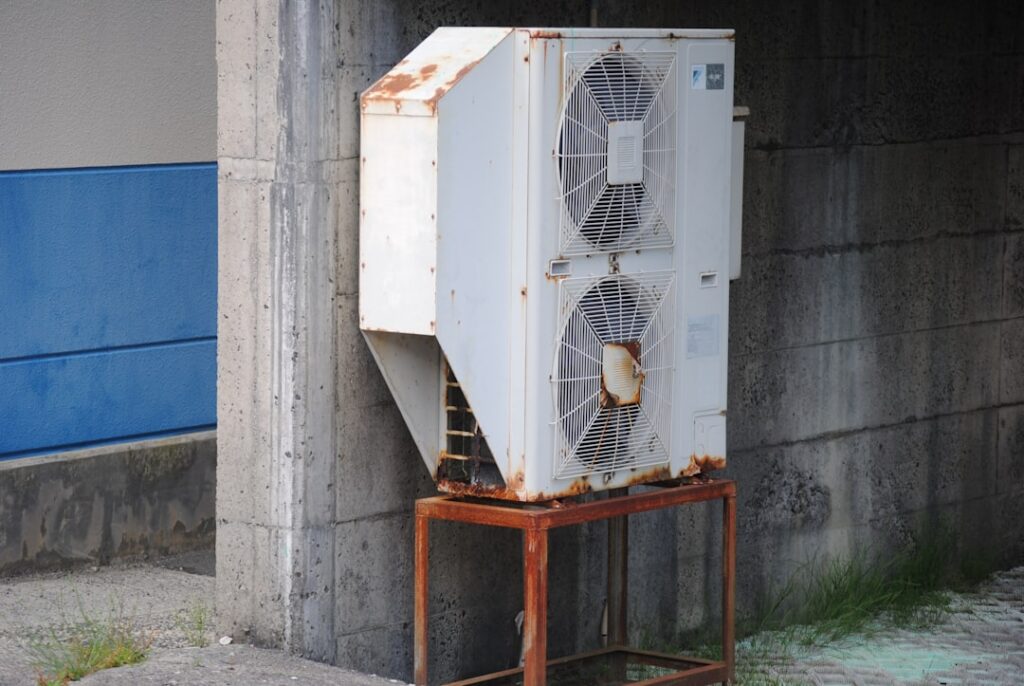
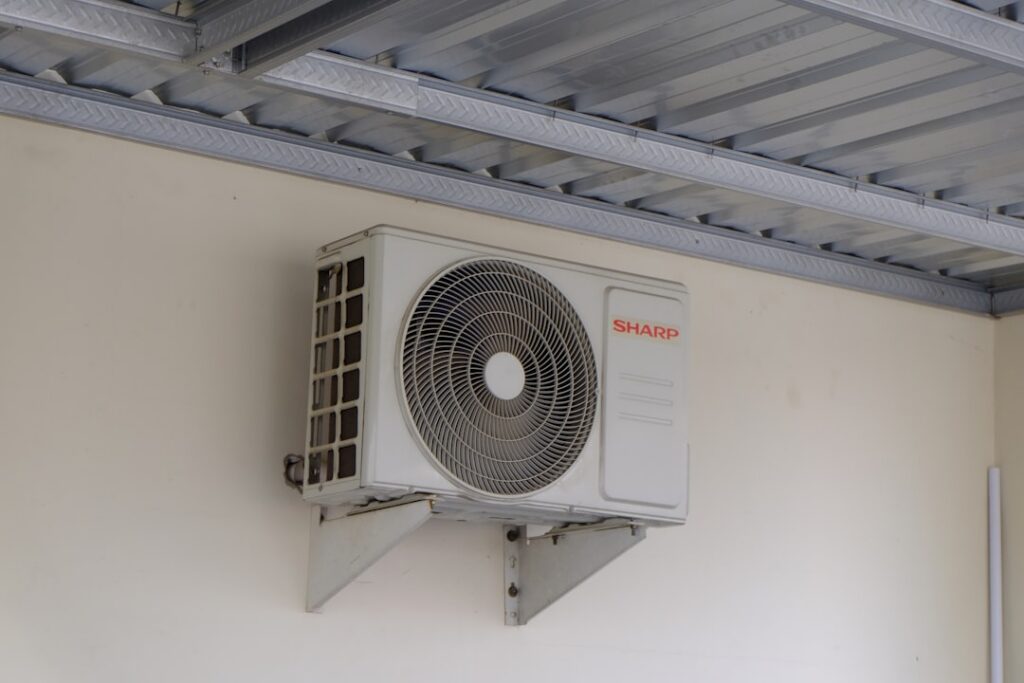
Air source heat pumps (ASHPs) work like a fridge in reverse. They extract warmth from outside air and boost it for your radiators or underfloor heating. In summer, they can even cool your home.
How they work
- A fan draws outdoor air over an evaporator coil.
- A refrigerant (often zero-carbon R290) absorbs heat.
- A compressor raises the temperature.
- Heat circulates through your home via water-filled pipes.
Key benefits
- Quick install: Often done in 1–2 days.
- Lower upfront cost than geothermal.
- Dual mode: Heating in winter, cooling in summer.
- Zero-carbon refrigerant options reduce environmental impact.
- Government grants: Eligible under the Boiler Upgrade Scheme.
Downsides to consider
- Performance dips on very cold days (below -10°C).
- Outdoor unit noise—though modern models are impressively quiet.
- Visual footprint on your wall, balcony or roof.
Cost snapshot
– Typical install: £8,000–£12,000 before grants.
– Annual running: up to 50% cheaper than gas boilers.
Geothermal Heat Pumps: Pros and Cons
Geothermal (ground source) heat pumps draw warmth from beneath your garden. Temperature stays constant year-round, around 8–12°C underground. That stability boosts efficiency.
How they work
- A loop of high-density pipe snakes through a borehole or horizontal trench.
- A fluid circulates, picking up ground heat.
- A heat pump concentrates that warmth for your heating network.
Key benefits
- Ultra-efficient: Up to 4× more efficient than gas boilers.
- Silent: No outdoor fan.
- Long lifespan: Underground loops last 50+ years.
- Stable output: Consistent performance in freezing conditions.
Downsides to consider
- High upfront cost: £15,000–£25,000 before incentives.
- Space needs: Large gardens or drilling access.
- Longer install: Weeks for groundworks + indoor setup.
Cost snapshot
– Typical install: £15,000–£25,000 before grants.
– Annual running: lowest of all systems once in place.
Head-to-Head: UK renewable heating comparison
Let’s line them up. You want clarity, not fluff.
Energy Efficiency & Performance
- Air Source: Seasonal CoP (Coefficient of Performance) ~2.5–3.5.
- Geothermal: CoP ~3.5–4.5.
- Verdict: Geothermal wins on raw efficiency. But modern ASHPs still beat gas boilers and older electric heaters.
Installation Footprint & Disruption
- Air Source: Wall-mounted outdoor unit. Fast install.
- Geothermal: Boreholes or trenches. More groundworks, more noise, more time.
- Verdict: ASHPs cause less disruption. Ideal for small plots or tight urban gardens.
Cost & Financing
- Air Source: Lower upfront. Grants reduce cost to £5,000–£7,500.
- Geothermal: Higher investment but more grants available up to £10,000.
- Flexible finance options from Megawave help spread payments.
- Verdict: ASHPs win for immediate outlay. Geothermal may pay off over decades.
Environmental Impact
- Both systems cut carbon by 50–75% vs gas boilers.
- Geothermal edges ahead thanks to stable ground temperatures.
- Megawave’s zero-carbon R290 refrigerant in ASHPs minimises global warming potential.
- Verdict: Both are leaps forward. ASHPs get a green boost with R290.
| Aspect | Air Source Pump | Geothermal Pump |
|---|---|---|
| Efficiency (CoP) | 2.5–3.5 | 3.5–4.5 |
| Install time | 1–2 days | Weeks |
| Noise | ~40–50 dB (quiet models) | Silent outdoor footprint |
| Space requirement | Small wall or roof spot | Large garden/trench |
| Upfront cost | £8k–12k (pre-grant) | £15k–25k (pre-grant) |
| Grants | Up to £7.5k | Up to £10k |
| CO2 reduction | 50–75% | 60–80% |
This clear UK renewable heating comparison shows both have strengths. Your choice depends on space, budget and long-term goals.
Why Choose Megawave’s Air Source Solutions?
You now know geothermal’s prowess. But air source heat pumps shine in the UK climate and property landscape. Here’s why Megawave’s systems often win:
- Utilisation of zero-carbon refrigerants for a lower environmental impact.
- Expert installation and maintenance services. We handle planning, install, and aftercare.
- Flexible finance options that make renewable heating accessible to all.
- Access to government grants, cutting costs dramatically.
- Smart integration: control your heating from your phone.
Bullet-proof value:
- Proven performance even at -15°C.
- Whisper-quiet operation.
- Flexible sizing to suit flats, houses and SMEs.
Megawave’s approach brings reliable warmth to UK properties without breaking the bank. No lengthy drilling. No big gardens. Just straightforward, eco-friendly comfort.
Example: The Bennett Family’s Savings
- 4-bed semi in Manchester.
- Switched to a Megawave ASHP last winter.
- Install cost after £7,500 grant: £5,200.
- Heating bill drop: 45% in year one.
- Payback forecast: 7 years.
They love the near-silent outdoor unit and the app control that tracks energy use daily. A solid UK renewable heating comparison win for ASHPs in suburban Britain.
Deciding Factors for Your Home
Still undecided? Ask yourself:
- How much garden space do I have?
- What’s my upfront budget (post-grant)?
- Do I need both heating and cooling?
- Is visual impact a concern?
- How important is the fastest install?
Answer in minutes. Then match to the right pump.
Conclusion & Next Steps
A UK renewable heating comparison shows both geo and air source heat pumps slash carbon and costs. Geothermal leads in efficiency but needs space and capital. Air source fits more homes, costs less to install and still outperforms old boilers.
Your move:
- Check your eligibility for grants.
- Assess your outdoor space.
- Get a bespoke quote from Megawave.
Ready to make the switch? Discover how simple renewable heating can be.
Share
Related posts