Kick-Off: A Greener Way to Warm Your Home
Choosing the right renewable heating can feel like navigating a maze. When it comes to geothermal vs air source heat pumps, you’ll see buzz around performance, cost and carbon savings. Both systems tap into the environment to keep you cosy. But which one truly fits your home’s footprint?
In this article, we’ll break down how each option works, what it costs, and how they compare on efficiency and eco-impact. You’ll get clear, practical tips on deciding between geothermal vs air source solutions. Ready to dive in? Discover geothermal vs air source solutions with Megawave: Eco-Friendly Heating Revolution for Innovative Air Source Heat Pump Solutions
Why Renewable Heating Matters
Traditional boilers burn gas and oil, sending greenhouse gases skywards. Switching to a heat pump slashes your carbon emissions. You also lock in lower bills and smoother heating, year after year. Renewables aren’t a niche anymore—they’re the new normal.
In Britain, homeowners face rising energy costs and tighter building regs. Heat pumps tick both boxes. They harness free energy from the ground or air, delivering heating (and cooling) at a fraction of running costs. Plus, generous government grants can cover up to 75% of installation.
How Air Source Heat Pumps Work
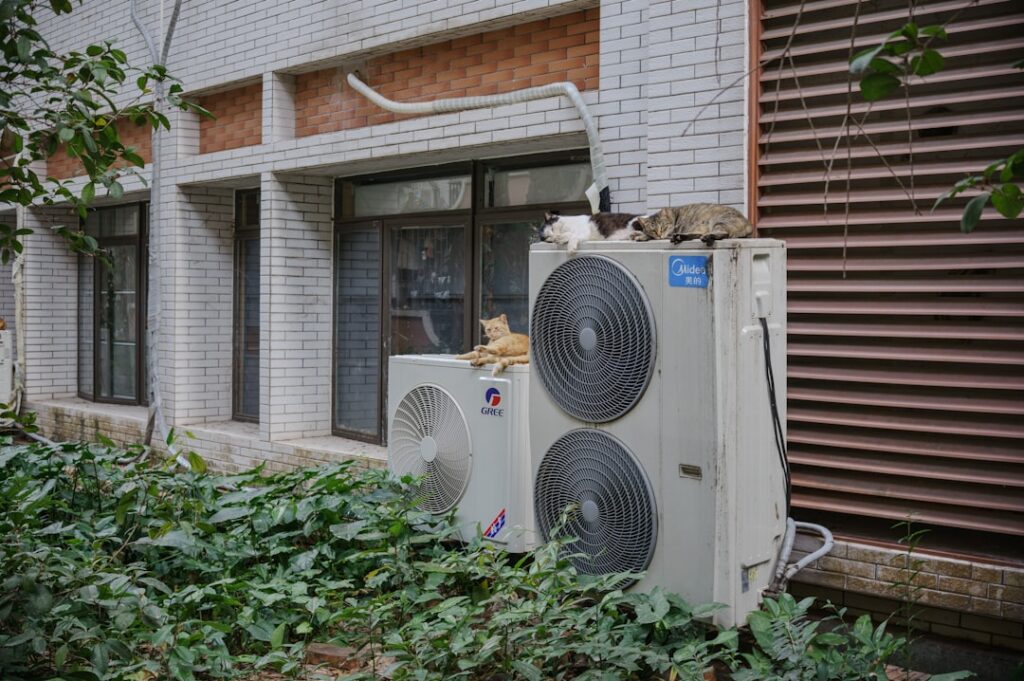
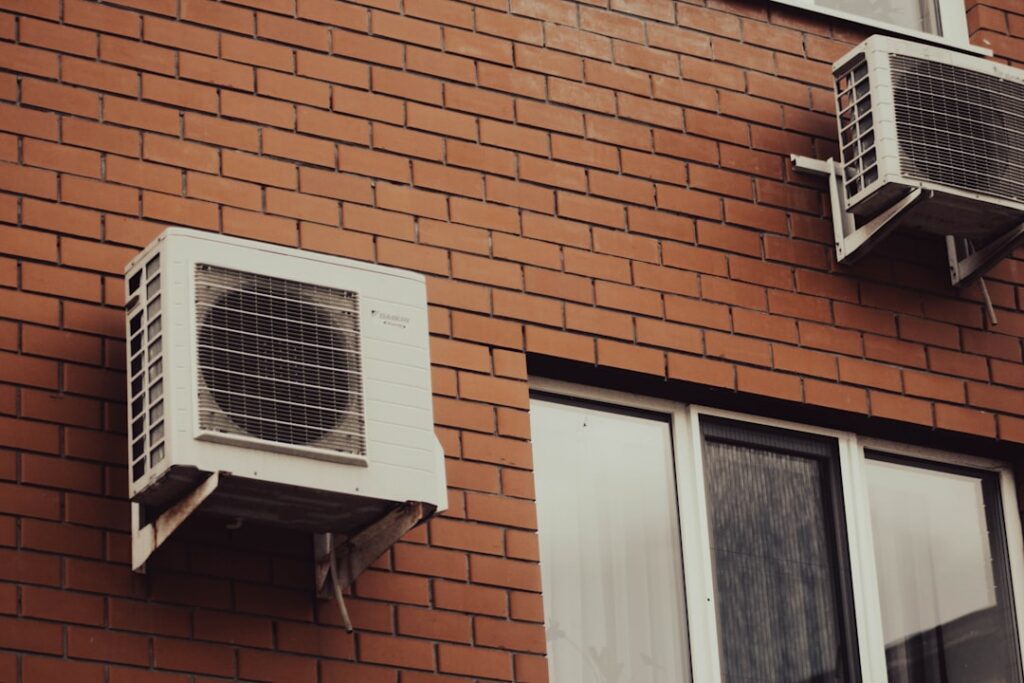
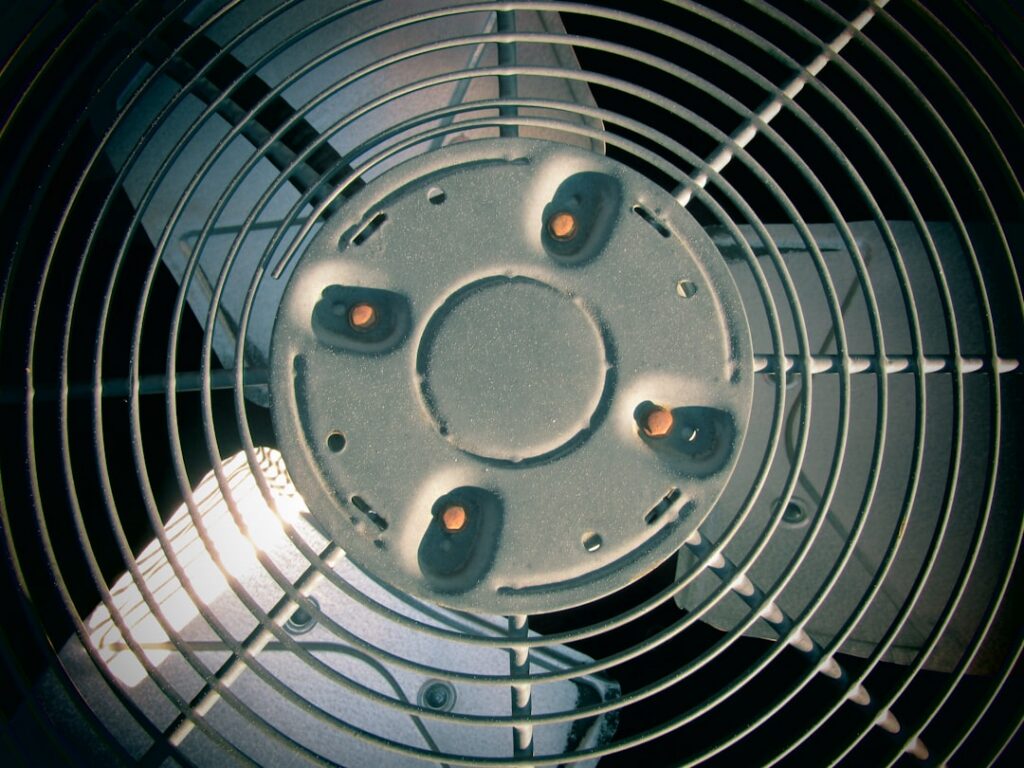
Air source heat pumps draw warmth from outdoor air, even in winter. A fan pulls air over refrigerant-filled coils. The refrigerant heats up, runs through a compressor, and transfers that energy indoors via radiators or under-floor piping. Simple-ish, right?
Key perks:
– Low upfront cost compared to ground loops
– Quick to install in most gardens
– Doubles as an air conditioner in summer
Drawbacks:
– Efficiency dips in extreme cold
– Outdoor unit can be noisy if poorly placed
How Geothermal Heat Pumps Work
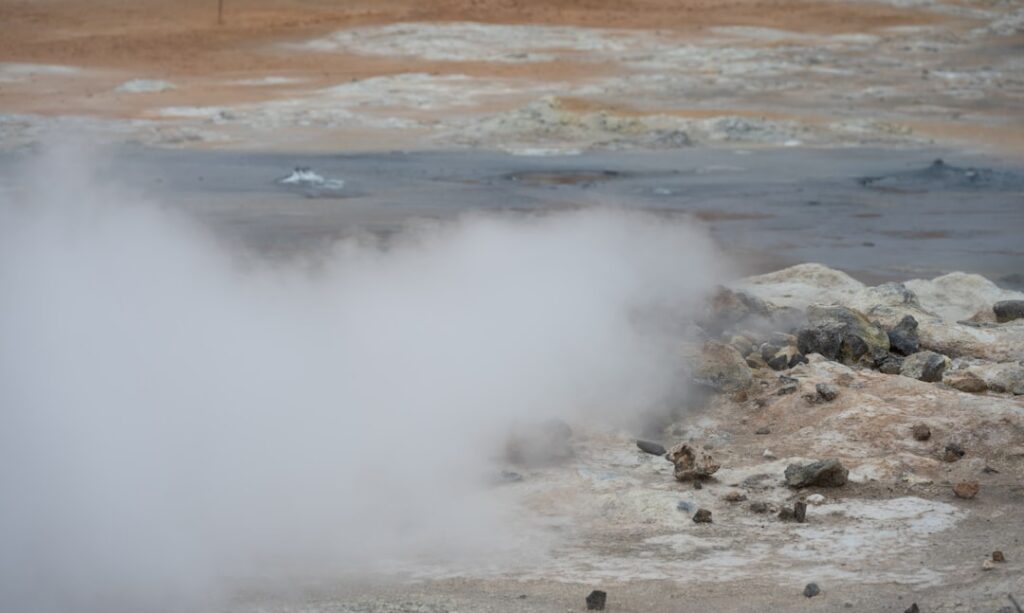
Geothermal—or ground-source—heat pumps feed on steady underground temperatures. Loops of pipe lie buried in trenches or boreholes. Fluid in these pipes picks up ground heat, heads to the pump, and circulates warmth around your home.
Perks:
– Very stable efficiency, year-round
– Quiet operation
– Space for radiators can be smaller
Drawbacks:
– High installation cost (drilling or trenching)
– Requires land or planning permission
– Longer lead time to install
Efficiency Face-Off: geothermal vs air source
When it’s about pure performance, geothermal vs air source is a close race. Ground-source pumps deliver up to four times the energy you put in. Air source typically returns three times your input on mild days, dropping off a bit in frost.
But real-world factors matter:
– Property insulation
– System sizing
– Installation quality
Our expert installers at Megawave use zero-carbon refrigerants like R290 for peak efficiency. We even leverage our Maggie’s AutoBlog platform to create bespoke system plans for each client. That attention to detail can boost seasonal performance by 10-15%.
Installation and Cost Comparison
Upfront cost often dictates the choice. Here’s a quick breakdown:
• Air source heat pump
– Typical install: £7,000–£10,000
– Quick install (1–2 days)
– Fewer planning permissions
• Geothermal heat pump
– Typical install: £15,000–£25,000
– Up to a week on site
– May need planning or borehole permits
Don’t forget grants and finance. Megawave offers flexible options and guides you through government rebates to cut up to half the cost. Over a 20-year lifespan, savings can reach £10,000+ compared to a gas boiler.
Carbon Footprint and Environmental Impact
Here’s where geothermal vs air source really shows its green credentials. Both systems deliver 3–4 times more energy than they consume, slashing CO₂ output. But ground-source has a slight edge thanks to steady temperatures.
That said, your local climate and electricity mix matter. In regions powered by renewables, air source on a crisp day can outperform a ground system in a coal-powered grid. Always ask your installer for a tailored carbon-savings report.
Maintenance and Lifespan
Heat pumps demand minimal upkeep. Expect:
– Annual service checks
– Occasional filter cleaning
– Rare refrigerant top-ups
Lifespan:
– Air source: ~15 years
– Geothermal: ~25 years
You’ll want a reliable maintenance plan. Megawave’s expert team offers ongoing support to keep performance high. No more boiler breakdown panic in January.
Which One Suits Your Home?
Deciding between geothermal vs air source boils down to:
– Space availability
– Budget elasticity
– Planning constraints
– Long-term goals
If you have limited garden and a tighter budget, air source is your friend. With space and a plan to stay put for decades, geothermal pays dividends.
Ready to weigh your options? Compare geothermal vs air source with Megawave’s eco-friendly heat pump solutions
Financing, Grants and Incentives
The UK government backs heat pumps with incentives:
– Boiler Upgrade Scheme: £5,000 off
– Local authority grants: varies by area
– Green Home Finance Accelerator: low-interest loans
Megawave’s finance team walks you through each scheme. We also partner with lenders for interest-free deals, making cutting-edge heating far more accessible.
Real-World Success Stories
Consider a Hampshire family who switched to an air source heat pump. They cut bills by £800 per year and reclaimed a £5,000 grant. Or a Cornwall farm upgrading to geothermal—running costs plummeted by 60%, with grant support covering 40% of installation.
Hearing from happy customers can guide your choice. Check our case studies or ask for local references when you speak with our team.
Why Choose Megawave?
At Megawave, we blend innovation with hands-on service:
– Zero-carbon refrigerants for a smaller footprint
– Expert installation and maintenance
– Flexible finance to suit any budget
– Government grant assistance
We even integrate Maggie’s AutoBlog to craft clear, customised guides for your installation. That means you get a heating plan that matches your home, not a generic template.
Conclusion: Your Next Steps
Choosing between geothermal vs air source doesn’t have to be daunting. We’ve laid out costs, efficiency, carbon savings and real-life wins. Now it’s over to you.
Ready to take the leap? Get a personalised demo of geothermal vs air source solutions from Megawave
Dive into a greener tomorrow with a heating system designed for your home—and your planet.
Share
Related posts