Sparking Savings Showdown: The UK Heat Pump Cost Face-Off
Choosing between air source vs geothermal cost can feel like comparing apples and oranges. On one hand, air source heat pumps are versatile, easy to install, and often cheaper up-front. On the other, geothermal heat pumps boast rock-steady efficiency and super-low running costs—but they demand a bigger initial investment. Which one truly saves you more in the long run? We’ll unpack installation fees, operating expenses, maintenance and government grants to help you decide.
Whether you’re retrofitting a Victorian terrace or building a brand-new eco-barn, understanding the air source vs geothermal cost difference is key. That’s where Megawave’s expert team steps in, guiding you from system design to seamless install and beyond—plus advice on grabbing every possible grant. Explore air source vs geothermal cost with Megawave’s Eco-Friendly Heating Revolution
Understanding Running Costs: How Efficiency Shapes Your Bills
Heat pumps earn big savings trophies thanks to efficiency ratings. But numbers can baffle. Let’s break it down.
Air Source Heat Pump Operating Costs
Air source heat pumps draw heat from the air outside—even at low temperatures. They typically offer a coefficient of performance (COP) of 2.5 to 4. This means:
- For every 1 kW of electricity, you get 2.5–4 kW of heat.
- Seasonal Performance Factors (SPF) vary by make and model.
- Average annual running cost: £500–£900, depending on house size and insulation.
Pros:
– Simple installation—often in days.
– Works as a cooler in summer.
– Lower upfront price tag.
Cons:
– Efficiency dips in very cold weather.
– Outdoor unit noise can be a factor.
Geothermal Heat Pump Operating Costs
Geothermal pumps tap into stable ground temperatures. Their COP often sits around 3.5 to 5.
- Extracts heat from buried loops or boreholes.
- Stable output year-round—even in deep freeze.
- Annual running cost: £400–£700 for a typical four-bedroom home.
Pros:
– Consistent efficiency, whatever the weather.
– Ultra-quiet operation.
– Long equipment life—25+ years underground.
Cons:
– Higher upfront cost.
– Groundworks may disrupt gardens.
After crunching the numbers, you might ask for a tailored quote. Get a personalised heat pumps installation quotation
Installation Outlay: Upfront Investment Explained
Now, let’s peel back the sticker shock.
Air Source Heat Pump Installation
- System cost: £8,000–£12,000 installed.
- No major groundwork—ideal for smaller plots.
- Eligible for UK government grants up to £7,500 under Boiler Upgrade Scheme.
Geothermal Heat Pump Installation
- System cost: £20,000–£30,000 installed.
- Requires drilling or trenching—space and planning permission needed.
- Grants can cover up to 30% of installation via local schemes.
Government Grants and Incentives
The UK Boiler Upgrade Scheme is pushing renewable tech hard:
- Up to £7,500 for air source.
- Roughly £10,000 for geothermal in some regions.
- Additional local authority grants vary—check your county council.
Long-Term Payback and Government Incentives
A geothermal system may take 5–7 years to pay back through energy savings. For air source, it’s closer to 4–6 years, thanks to lower start-up costs. Both deliver returns north of 10% annually—way beyond a savings account.
Plus, zero-carbon refrigerants like R290 in Megawave systems keep your carbon footprint tiny. And expert maintenance packages ensure your pump hums along at peak performance. In the mid-game of energy bills, you win. Evaluate air source vs geothermal cost with Megawave’s zero-carbon solutions
Service and Maintenance: Hidden Costs You Shouldn’t Overlook
A shiny new pump is only part of the story. Factor in:
- Annual service: £150–£300.
- Filter and refrigerant checks every 2–3 years.
- Occasional system top-up or soil loop inspections (for geothermal).
Megawave’s expert maintenance plans lock in priority visits and fixed-price servicing—no surprise bills.
Choosing the Right System for Your Home
Not every system fits every house. Let’s match you with your heat pump soulmate.
Home Size and Layout
- Flats or terraces → Air source suits smaller footprints.
- Detached with gardens → Geothermal’s ground loops flourish.
Soil and Ground Conditions
- Sandy or free-draining soil → Easier trenches.
- Rocky or clay soils → Boreholes might be required.
Noise and Aesthetic Considerations
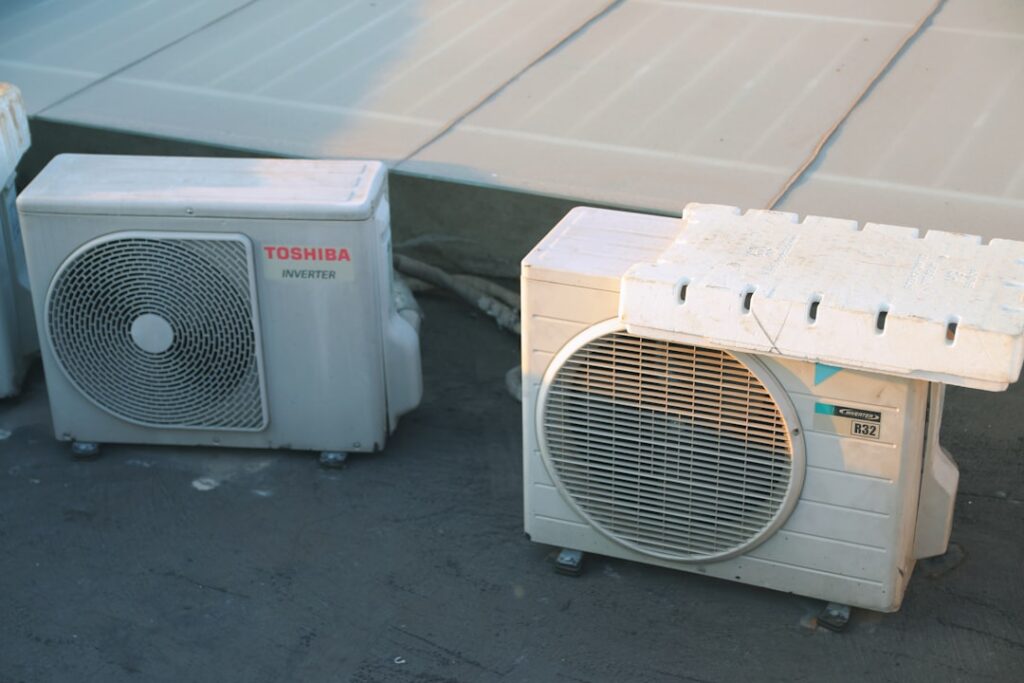
- Air source units emit a low hum—keep them away from bedrooms.
- Geothermal bury the kit underground—practically invisible.
Once you’ve weighed these points, it’s simple to kick off your installation journey. Kick off your heat pumps installation quotation now
Real Homeowner Testimonials
“I was sceptical about installation costs, but Megawave helped me secure a £7,500 grant for an air source unit. My bills have dropped by nearly 40% in one winter.”
— Sarah J., York
“After upfront costs, our geothermal system paid for itself in six years. Now we enjoy whisper-quiet heating and hot water whenever we need it.”
— Mark T., Devon
“Our old boiler was a money pit. The team at Megawave handled everything—from grant paperwork to finishing touches. Couldn’t be happier!”
— Priya R., Manchester
Conclusion: Count the Savings, Make Your Move
Choosing between air source vs geothermal cost comes down to budget, space and long-term vision. Air source wins on initial outlay and flexibility. Geothermal excels on consistency and lifetime savings. Either way, your carbon footprint shrinks and bills fall.
Ready to see which option powers your home best? Take the guesswork out of efficiency and savings now. Decide your air source vs geothermal cost advantage today with Megawave’s renewable heat pumps
Share
Related posts