Your Quick Guide to the Best UK Heat Pump Type
Energy bills are climbing. Net-zero goals loom. British winters can be unforgiving. You need a heating solution that cuts costs, shrinks emissions, and stays reliable. This guide pits two leading contenders—air source vs geothermal—to help you pick the best UK heat pump type for your home.
We’ll dive into how each system works, break down installation and maintenance costs, and compare long-term savings. Along the way, we’ll show why Megawave’s zero-carbon, R290-powered air source heat pumps deliver an eco-friendly heating revolution. Find the best UK heat pump type with Megawave’s Eco-Friendly Heating Revolution
How Geothermal and Air Source Systems Work
Before you choose, let’s clear up the basics. Both systems move heat from one place to another, rather than generate it by burning fuel. But where they get that heat and how they deliver it differs.
Geothermal Heat Pumps
Imagine the ground under your feet as a giant thermal battery. Below the frost line, the earth holds a near-constant temperature (around 10–13 °C in the UK). A geothermal—or ground-source—heat pump taps into this stable reservoir:
- A loop of buried pipes (the ground loop) circulates an antifreeze solution.
- In winter, the liquid absorbs warmth from the soil and carries it to an indoor compressor.
- The compressor upgrades that heat and pumps it into your radiators or underfloor pipes.
- In summer, the process reverses, pulling heat out of your home and dumping it back underground.
No need to worry about harsh frosts. A geothermal system keeps chugging along, even when the air temperature dips below freezing.
Air Source Heat Pumps
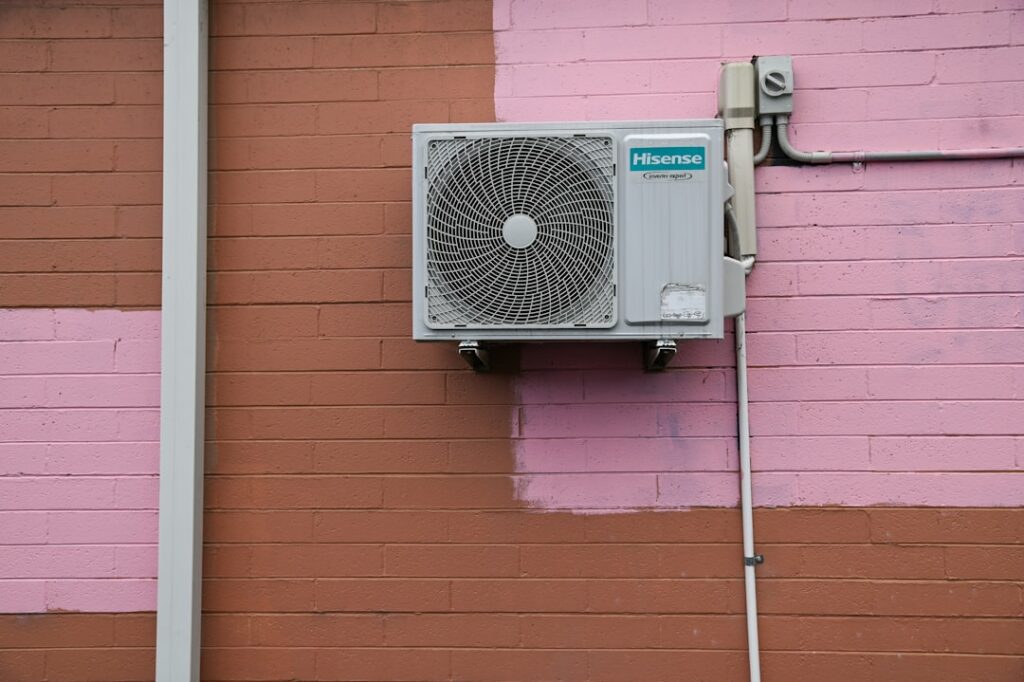
An air source heat pump looks a lot like a standard air-con unit but works in reverse when it’s cold. Here’s the gist:
- An outdoor unit draws in ambient air.
- A refrigerant (like R290 in Megawave models) extracts heat from that air.
- A compressor raises the temperature further.
- Warm air flows indoors via ductwork or through discreet wall-mounted units (mini-splits).
When summer hits, it flips, whisking excess indoor heat outside. It’s a neat all-in-one heating and cooling solution.
Weighing the Pros and Cons of Geothermal Heat Pumps
Geothermal systems often top efficiency charts. But they come with a price.
Pros
– High Efficiency: Ground stays around 10–13 °C year-round, so the system works less to reach your comfort level.
– Consistent Performance: No dip in output, even on frosty mornings.
– Long Lifespan: Underground loops can last 50+ years; indoor units often run 20–25 years.
Cons
– Invasive Installation: You’ll need digging, drilling or even boreholes. Garden disruption is almost guaranteed.
– High Upfront Cost: A full system can run £20,000–£45,000 before grants.
– Complex Repairs: If the buried loop needs work, expect a major excavation.
A geothermal setup is a solid investment—if you have the land, budget and patience for a big installation project.
Weighing the Pros and Cons of Air Source Heat Pumps
Air source heat pumps have quietly revolutionised home heating in the UK. Here’s why they’re so popular:
Pros
– Less Invasive: No trenches or boreholes. The outdoor unit sits on a wall bracket or a small pad.
– Lower Cost: Installed costs often start around £7,000–£12,000 before incentives.
– Flexible Siting: Ideal for city gardens or retrofits in older properties.
– Easier Maintenance: All moving parts are accessible above ground.
– Dual Function: Heats in winter, cools in summer.
Cons
– Efficiency Drops in Extreme Cold: Performance can dip below -10 °C, though modern cold-climate models help.
– Shorter Lifespan: Expect around 15–20 years of reliable service.
– Noise: Outdoor units generate a gentle hum—nothing dramatic, but it’s not silent.
For most UK homes, an air source heat pump hits the sweet spot between cost, convenience and efficiency.
How the Competition Stacks Up—and Where Megawave Excels
A few services, like Sealed, now bundle heat pumps with energy-savings guarantees and financing plans. They do offer:
- Rebate Access: Help applying for grants and local incentives.
- Guaranteed Savings: Refunds if projected energy cuts don’t materialise.
- Flexible Payments: Spread the cost over months or years.
But they often rely on common refrigerants and cookie-cutter systems. That’s where Megawave stands apart:
- Zero-carbon R290 refrigerant for a smaller climate footprint.
- Tailored system designs, from ductless mini-splits to hybrid setups.
- Expert installation and maintenance by in-house engineers.
- Flexible finance options to suit different budgets.
- Guidance on the latest UK grants, including the Boiler Upgrade Scheme.
Compare the best UK heat pump type for your needs with Megawave’s zero-carbon solutions
Which Heat Pump Is Right for You?
Use these quick checklists to guide your decision.
You Might Lean Geothermal If…
- You own a larger plot of land (garden or field).
- Long-term efficiency (COP of 4+ systems) is your top priority.
- You can handle a six-figure upfront budget (pre-grant).
- You value minimal performance fluctuation in frost.
You Might Lean Air Source If…
- You live in a tight urban setting or small garden.
- You need a lower entry price and quicker install.
- You’d like heating and cooling from one system.
- You want a maintenance plan that doesn’t dig up your lawn.
Final Thoughts and Next Steps
Whether you choose air source or geothermal, a heat pump will slash your carbon footprint and trim bills. The trick is picking the best UK heat pump type that fits your home, budget and eco-ambitions.
Need help sizing your system? Curious about grants? Our in-house team at Megawave can run a free site survey and quote.
Ready to explore the best UK heat pump type with Megawave’s expert team
Share
Related posts