Introduction
Finding the right renewable heating solution can feel like choosing between apples and oranges. Both air source heat pumps and biomass systems promise greener heating. Both cut carbon. Both help your pocket in the long run. But they have big differences. In this guide, we’ll break down how each works, where they shine, and where they falter. By the end, you’ll know which system best fits your home or business.
Throughout this post, you’ll see real insights, clear comparisons, and practical tips. No fluff. Just honest talk.
How Air Source Heat Pumps Work
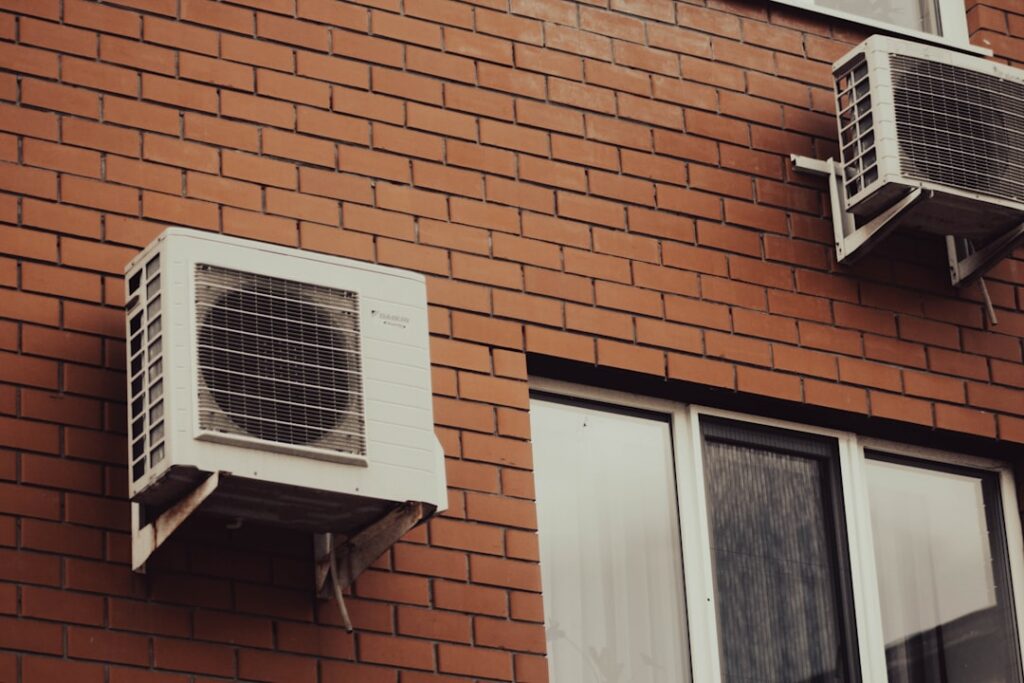
Air source heat pumps pull warmth from the outside air—even in chilly weather. They use refrigerant, like the eco-friendly R290, to absorb heat. Then they transfer that heat indoors. In summer, the process flips. They become air conditioners.
Why pick an air source heat pump?
- Efficiency: They can deliver up to 400% efficiency in mild climates. That means 4 kW of heat for every 1 kW of electricity.
- Versatility: Heating in winter; cooling in summer.
- Low carbon: Powered by electricity, especially low-carbon grids, they slash greenhouse gas emissions.
- Easy install: Ideal for well-insulated, open-plan homes, or as a top-up heat source in older houses.
- UK grants: You could get up to 30% of costs covered by government schemes.
Megawave’s air source heat pumps use zero-carbon refrigerants. That cuts the carbon footprint even further. And with expert installation and maintenance services, you’ll enjoy peak performance year after year.
Pros of Air Source Heat Pumps
- Quiet operation.
- Works as an AC.
- Low maintenance.
- Flexible finance options.
Cons of Air Source Heat Pumps
- Efficiency dips below 0 °C.
- Requires good insulation.
- Higher electricity bills in freezing snap.
The Biomass System Breakdown
Biomass systems burn organic fuel—usually wood pellets. They heat a hot water system that warms your radiators and underfloor heating. Simple in concept, but complex in practice.
Key features:
- Fuel source: Locally sourced wood pellets. Renewable, but involves storage space.
- Whole-home heating: Great for rural properties with existing wet heating systems.
- High upfront cost: Boilers and storage can be pricey.
- Long lifespan: 20–30 years with proper care.
- Stable fuel prices: Pellet prices tend to track inflation, not volatile energy markets.
- Government support: Eligible for tax credits and rebates.
Pros of Biomass Systems
- Excellent for cold climates.
- Fuel costs remain stable.
- Compatible with most radiator networks.
- Reliable in power cuts.
Cons of Biomass Systems
- Large storage needed.
- Bulk fuel deliveries.
- Particulate emissions (though modern stoves are cleaner).
- Complex maintenance.
Biomass systems shine in off-grid settings. But if you live in a compact suburban home, the storage demands can be a headache.
Side-by-Side Comparison
Let’s put them under a microscope. We’ll compare five key areas.
| Feature | Air Source Heat Pumps | Biomass Systems |
|---|---|---|
| Initial Cost | Moderate | High |
| Running Costs | Varies with electricity rates | Steady, linked to pellet prices |
| Efficiency | 200–400% (depends on temp) | 80–90% |
| Carbon Emissions | Low, depends on grid mix | Moderate, improving over time |
| Maintenance | Annual checks | Regular ash removal, servicing |
Cost Savings Over Time
Air source heat pumps may save more as electricity grids decarbonise. Biomass costs stay predictable, but pellets still involve delivery fees.
Environmental Impact
If your grid is green, heat pumps are winners. Biomass starts higher but falls as trees regrow. Both beat oil and gas.
Real-World Examples
Consider a family in East Sussex. They swapped oil for a Megawave air source heat pump. Their bills dropped by 40%. Plus, they scored a £5,000 grant. They boast about reliable warmth and near-silent comfort.
Meanwhile, a farm in Cumbria chose a biomass boiler. It heats barns and homes on the property. Fuel arrives by the ton. They love the stable cost and self-sufficiency. But they needed big silos and a regular cleaning schedule.
Both are valid renewable heating solutions. Your choice hinges on space, budget, and lifestyle.
Discover Megawave’s air source heat pumps
Making the Right Choice
How do you decide? Ask yourself:
- How’s your insulation?
- Do you have room for fuel storage?
- What’s your budget—short term vs long term?
- Want a system that doubles as AC?
- Interested in grants and finance deals?
Here’s a simple rule of thumb:
- Pick an air source heat pump if you’ve got a well-insulated home, open-plan living, or need AC.
- Choose biomass if you have existing wet heating, cold winters, and plenty of room for pellets.
Combining Systems
Some homeowners go hybrid. An air source heat pump handles everyday heating. A pellet stove kicks in on sub-0 °C days. That means peak efficiency, stable bills, and a smaller carbon footprint. Clever.
Why Megawave Stands Out
Megawave isn’t just another installer. We bring:
- Zero-carbon R290 refrigerant.
- Expert installation to nail performance.
- Ongoing maintenance so you never skip a beat.
- Flexible finance to spread your costs.
- Guidance on securing government grants.
Our mission? To lead renewable heating solutions in the UK. We focus on real savings and real sustainability. No gimmicks. Just warmth you can count on.
Conclusion
Choosing between air source heat pumps and biomass systems isn’t black and white. It’s about matching tech to your home. Both are top-tier renewable heating solutions. Both cut carbon and bills. Your perfect fit depends on insulation, space, and comfort needs.
Ready to make the switch? Explore how Megawave can transform your heating. Lower emissions. Better cost savings. Seamless installation.
Share
Related posts