Introduction: Mastering Sustainable Heating
Looking to cut your carbon footprint and your energy bills? An air source heat pump guide is your ticket to understanding a simple yet powerful way to heat and cool your home. This guide unpacks how these systems draw warmth from the outside air, even when it feels chilly, transforming it into cosy indoor comfort without the hefty carbon tag of fossil fuels.
You’ll learn about zero-carbon refrigerants, smart cost-saving features, and the real-world benefits that UK homeowners are raving about. Curious? Begin your air source heat pump guide with Megawave’s Eco-Friendly Heating Revolution and see how innovation meets sustainability in your living space.
How Air Source Heat Pumps Work
The Basics of Heat Transfer
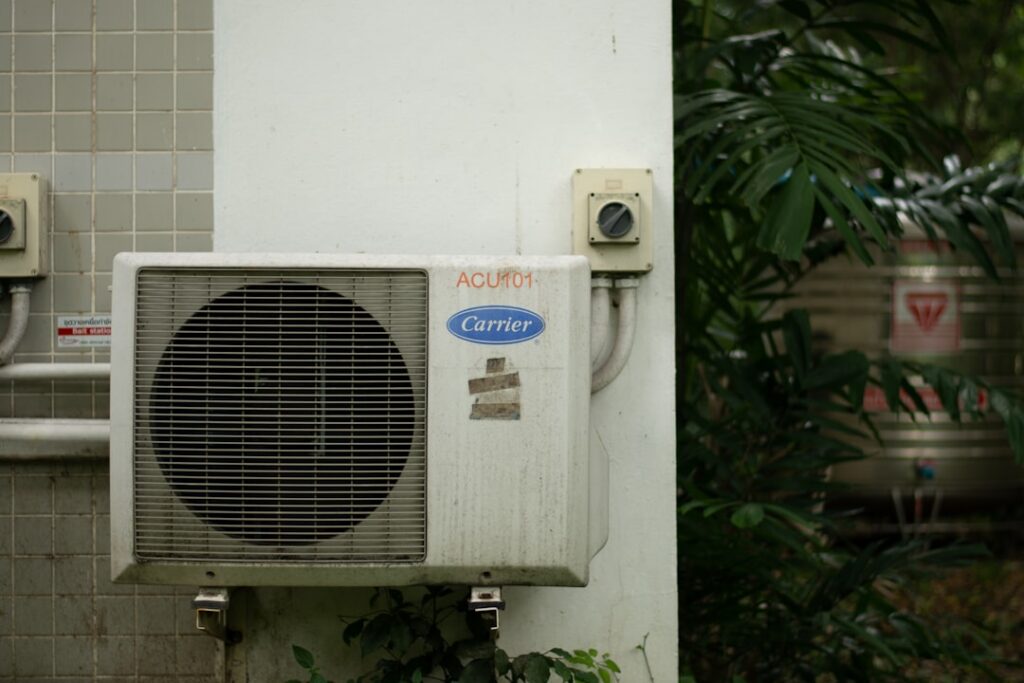
At its core, an air source heat pump (ASHP) is a fridge run in reverse. Instead of extracting heat from inside to cool your kitchen, it captures warmth from the outside air to heat your home. Key components include:
- Evaporator coil: Absorbs ambient heat.
- Compressor: Raises the refrigerant’s temperature and pressure.
- Condenser coil: Releases heat into your heating circuit.
- Expansion valve: Regulates refrigerant flow and temperature.
That simple cycle repeats continuously. Even on cold UK mornings, modern ASHPs can extract warmth from the air down to –15 °C. Efficiency is measured by the coefficient of performance (COP)—a COP of 3 means you get 3 kW of heat for every 1 kW of electricity used.
From Cold Air to Warmth: Step-by-Step
- The outdoor unit draws air across the evaporator coil.
- A zero-carbon refrigerant evaporates, capturing the heat.
- The compressor boosts the refrigerant’s pressure and temperature.
- Heat travels indoors via the condenser, warming radiators or underfloor systems.
- Refrigerant cools, passes through the expansion valve, and the cycle restarts.
This approach flips the switch on traditional gas boilers, cutting emissions and shrinking bills in one go.
Why Zero-Carbon Refrigerants Matter
Environmental Impact
Many heat pumps once relied on high-GWP (Global Warming Potential) refrigerants. Today, low-GWP options like R290 (propane) are paving the way to net-zero homes. Benefits of zero-carbon refrigerants:
- Near-zero GWP ratings.
- Reduced lifecycle emissions.
- Compliance with evolving UK HVAC regulations.
- Future-proof against upcoming phase-outs.
Using R290 can reduce a system’s carbon footprint by up to 85% compared with legacy refrigerants. That’s a big win for homeowners aiming for green credentials.
R290 and Beyond: Low GWP Options
While R290 is leading the charge, other eco-friendly candidates include:
- R1234yf: Very low GWP, often used in automotive AC.
- R32: Low GWP and favourable thermodynamic properties.
- Natural refrigerants: Ammonia (R717) and CO₂ (R744).
Each option has its pros and cons—flammability, pressure requirements, or installation complexity. Always check for expert installation and maintenance services to ensure safety and peak performance.
Crunching the Numbers: Cost-Saving Features
Energy Efficiency Ratings
Heat pumps boast high Seasonal Coefficient of Performance (SCOP) ratings. In simple terms:
- SCOP > 3.5: Top-tier efficiency.
- SCOP ≈ 2.8–3.5: Standard good performance.
- SCOP < 2.8: Less efficient, often older models.
A high SCOP can slice up to 60% off your heating bills. Combine that with proper insulation and smart thermostats, and you’re looking at serious savings over a 15–20 year lifespan.
Government Grants and Finance Options
The UK government supports the shift to renewables through:
- Boiler Upgrade Scheme: Up to £5,000 grant for heat pump installs.
- Local authority schemes: Vary by region, often added incentives.
- Flexible finance plans: Spread costs over months or years.
Plus, many providers—like Megawave—offer flexible finance options to make that upfront investment more manageable.
Feeling ready for your deep dive? Explore the Megawave air source heat pump guide for an eco-friendly heating revolution and see how grants and finance can reshape your next installation.
Installation and Maintenance: Ensuring Peak Performance
Expert Installation Services
A top-notch installation matters. Poorly sized or fitted systems can underdeliver on efficiency. Look for:
- Detailed heat loss surveys.
- Accredited installers (MCS-certified in the UK).
- Customised design to match your home’s layout.
- Integration with existing radiators or underfloor heating.
Megawave’s team provides full end-to-end service, guaranteeing your ASHP runs at maximum COP from day one.
Proactive Maintenance Benefits
Heat pumps are low-maintenance but not no-maintenance. Annual checks help:
- Identify refrigerant leaks.
- Clean filters and coils.
- Verify compressor health.
- Tweak controls for seasonal shifts.
A small service bill each year prevents large repair costs later, prolonging the system’s life and sustaining top performance.
Comparing with Traditional Systems
Lower Running Costs
- Gas boilers: 85–95% efficiency, fuel cost volatility.
- ASHPs: SCOP up to 4.5, predictable electricity tariffs.
- ROI often realised within 7–10 years for average UK homes.
Boosted Comfort Year-Round
Heat pumps can reverse cycle to provide cooling in summer. No separate AC unit needed. Consistent, gentle heat—no sudden temperature spikes or cold spots.
Advanced Tips: Maximising Your Heat Pump’s Lifespan
Smart Controls and Integration
Pair your ASHP with:
- Wi-Fi thermostats.
- Zoned heating controls.
- Home energy management systems.
Smart scheduling ensures you heat rooms only when needed, shaving off extra watts.
Seasonal Optimisation
- Summer: Use defrost mode sparingly.
- Winter: Keep outdoor unit clear of snow or debris.
- Annual tune-ups ahead of peak seasons.
A little attention now saves dollars later.
Conclusion
Switching to an air source heat pump is a clear path to greener living and lower energy bills. From zero-carbon refrigerants like R290 to generous government grants, the opportunities are compelling. With expert installation, proactive maintenance, and smart controls, your system will deliver decade-long comfort without breaking the bank—or the planet.
Ready for change? Transform your home with our air source heat pump guide, courtesy of Megawave’s Eco-Friendly Heating Revolution
Share
Related posts