Introduction: Why Your Pre-Installation Heat Pump Checklist Matters
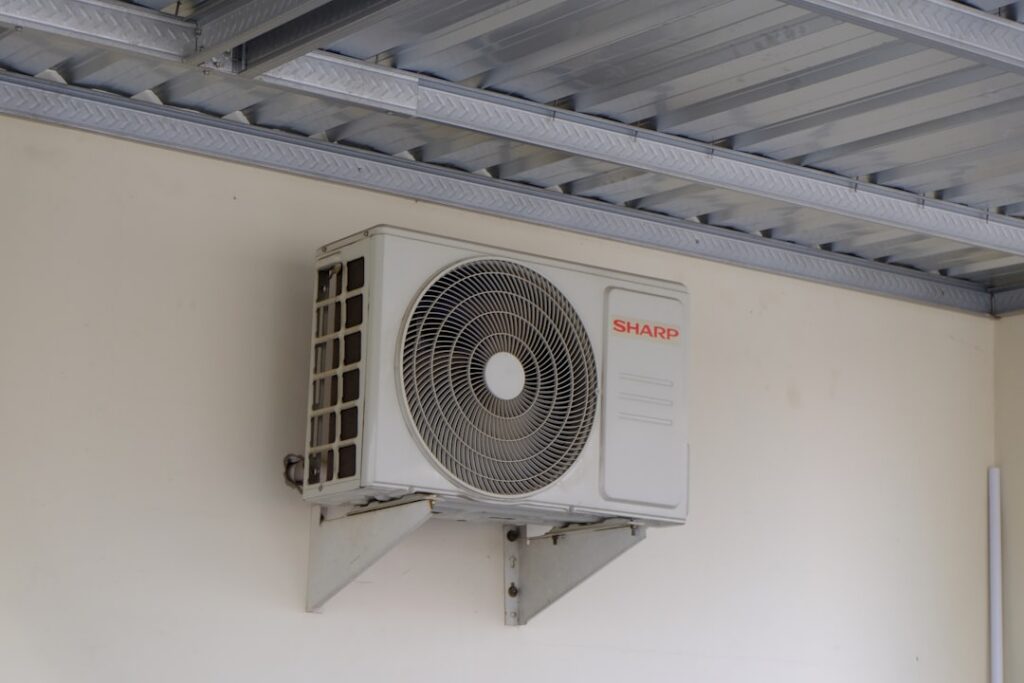
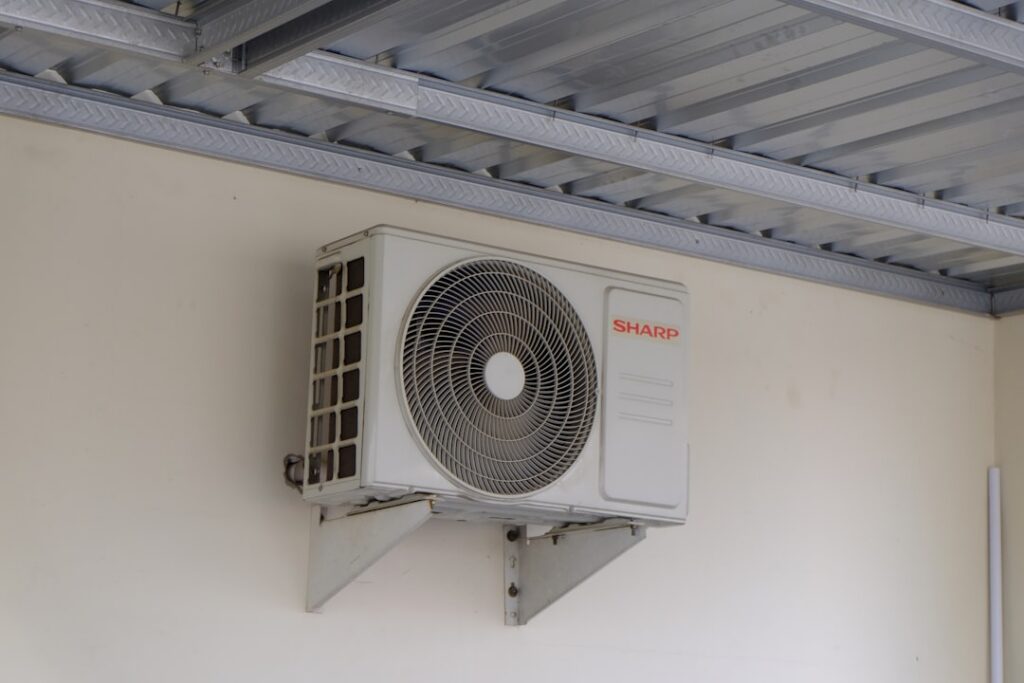
Getting an R290 air source heat pump is exciting. It promises lower energy bills, quieter operation and a greener footprint. But rushing in can cost you efficiency and comfort. A solid pre-installation heat pump checklist makes sure you’re armed with all the right data. From understanding your home’s quirks to sizing the unit just right, this guide walks you through each critical step before you swap out your old system.
We’ll cover:
– How to gather homeowner insights.
– The nitty-gritty of HVAC performance tests.
– Building envelope and EnerGuide evaluations.
– Load calculations and balance point analysis.
– Planning for backup warmth on chilly days.
Ready to lock in peak efficiency? Megawave: Eco-Friendly Heating Revolution for Innovative Air Source Heat Pump Solutions
Step 1: Homeowner Discovery – Know Your Priorities
Before any duct gets unbolted, we start with a chat. It’s about your habits, frustrations and goals. Skip this? You risk installing the wrong kit. Here’s what to ask yourself:
- Have you upgraded insulation, windows or doors recently?
- Any rooms that stay overly hot or cold?
- Noise complaints from your current system?
- Are you chasing cooling as well as heating?
- Do outdoor unit placement or planning rules worry you?
When you have those answers, you can pinpoint the right R290 heat pump model. And if you’re ready to compare quotes now, Start your air source heat pump quote that matches your needs.
Why It Matters
Imagine buying shoes without trying them on. They could pinch or flop. A thorough homeowner discovery is like a fitting room for your heat pump plan. It avoids buyer’s remorse.
Step 2: HVAC Performance Assessment – Measure Before You Move
Numbers don’t lie. Testing your existing ductwork and airflow uncovers hidden bottlenecks. If you skip this, you might end up with a machine that can’t breathe.
Key checks include:
– External static pressure testing.
– Ductwork measurements and transitions.
– Airflow readings with tools like True Flow Grid.
Our expert installation service at The Heat Pumps dives deep into these tests. We use precise instruments to ensure your ducts handle the new R290 unit’s airflow needs. No guesswork. Just data.
Step 3: Building Performance & EnerGuide Evaluation – Think Holistic
Your heat pump doesn’t live in isolation. Walls, windows, loft and even electrical panels all play a part in overall performance. An EnerGuide for Existing Homes evaluation gives you a whole-house score. It highlights:
- Airtightness issues.
- Insulation gaps in walls or roof.
- HVAC distribution inefficiencies.
- Potential panel or service upgrades.
A tighter building envelope means you can choose a smaller heat pump—and save on upfront costs. Plus, with government grants available, you can tick more boxes on rebates.
Looking to nail every detail? Megawave: Eco-Friendly Heating Revolution for Innovative Air Source Heat Pump Solutions
Step 4: Load Calculation & Balance Point – The Science of Right Sizing
Forget rules of thumb. They lead to undersized or oversized heat pumps. Both drain efficiency and wallet. Instead, we lean on CSA F280-12 compliant load calculations. You have two paths:
- Block load for the whole home.
- Room-by-room breakdown.
Then comes the balance point. This tells you the outdoor temperature at which your heat pump meets your home’s heat loss. Plot heat loss curves against your chosen R290 model’s performance chart. The sweet spot ensures the pump can carry load during those freezing mornings.
Pro Tip
If your balance point is too high, consider a cold-climate R290 pump. You might eliminate or downsize supplementary heating altogether.
Step 5: Supplementary Heating – Plan for the Deep Freeze
Even the best heat pump can struggle in extreme cold. Supplementary heating is not an afterthought—it’s a safety net. Here’s what to weigh up:
- Electric resistance elements sized to match your peak load.
- Hybrid setups pairing a gas furnace with your R290 pump.
- Existing heating sources like fireplaces or baseboard heaters.
Oversizing these can mean unnecessary panel upgrades. Undersizing invites chilly evenings. Strike the right balance, and you’ll only use the backup when you really need it.
Your Complete Pre-Install Checklist
Let’s tie it all together with a quick rundown of your pre-installation heat pump checklist:
- Homeowner Discovery – Goals, habits, problem spots.
- HVAC Performance – Pressure tests, airflow measures.
- Building Evaluation – Airtightness, insulation, panel capacity.
- Load and Balance – CSA-compliant calculations, balance point data.
- Supplementary Heat – Electric or hybrid backup sizing.
Follow each step, and you’ll thank yourself every winter.
Testimonials
“Switching to an R290 unit with Megawave was the best move. Their pre-installation checks found duct leaks I never knew existed. Now my home heats evenly, and my bills are down by 20%.”
— Sarah J., Manchester
“I was nervous about costs, but their EnerGuide evaluation unlocked a hefty government grant. The team handled everything, from load calculations to installation. Zero stress.”
— Mark T., Edinburgh
“I love that they use R290 refrigerant. It feels good knowing my heating has a low carbon footprint. The installation quotation process was quick and clear.”
— Priya S., Bristol
Conclusion: Take the Stress Out of Your Heat Pump Upgrade
A thorough pre-changeout process isn’t a nice-to-have. It’s essential. It saves money, boosts efficiency and keeps you comfortable. From detailed homeowner interviews to airtightness testing and precise load calculations—you cover all bases. And when you’re ready to step into the world of R290 air source heat pumps, we’re here to help.
Start your journey with the ultimate pre-installation heat pump checklist and experience the Megawave difference. Megawave: Eco-Friendly Heating Revolution for Innovative Air Source Heat Pump Solutions
Share
Related posts