Renewable Heating Uncovered: A Snapshot of Air Source vs Geothermal
Heat pumps tap into free energy. They shift heat rather than burn fuel. Whether you’re drawing warmth from the air or the ground, you’re leveraging physics to stay cosy. It’s efficient. It’s smart. And it slashes carbon footprints.
Choosing between geothermal vs air source heat pump systems isn’t just an academic exercise. It’s about matching your home’s needs, budget, and sustainability goals. Curious which path fits you? Discover geothermal vs air source heat pump options with Megawave to explore tailored system designs that harness zero-carbon refrigerants like R290 and maximise your savings.
How Heat Pumps Work: The Basics
Before diving into the two camps, let’s demystify the magic. Heat pumps operate like a fridge in reverse. A refrigerant circulates through a cycle of evaporation and condensation:
- Evaporation: Low-temperature fluid absorbs ambient heat.
- Compression: A compressor raises the refrigerant’s temperature.
- Condensation: Heat is released into your home’s radiators or underfloor circuits.
- Expansion: Pressure drops and the cycle repeats.
The key metric is the Coefficient of Performance (COP). Simple. If a pump has a COP of 4, you get four units of heat for every one unit of electricity. Impressive.
Air Source Heat Pumps: Design and Benefits
Air source heat pumps (ASHPs) are the most popular entry point into renewable heating. They’re plug-and-play compared to ground loops.
Core Components
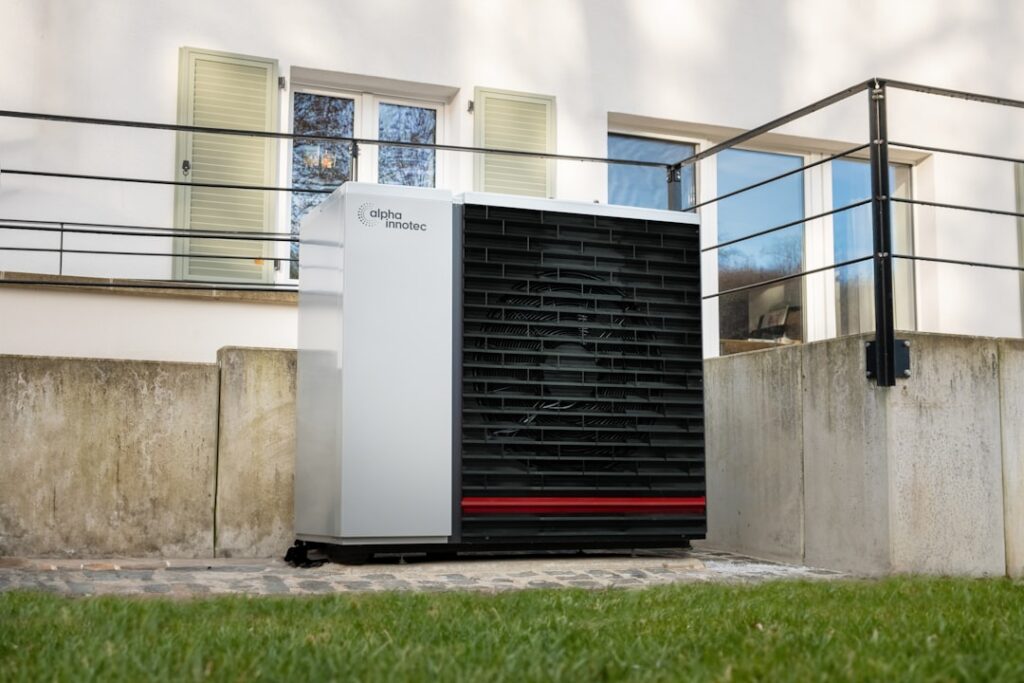
- Outdoor Unit: Fans pull in cold air. A heat exchanger transfers warmth to refrigerant.
- Indoor Unit: Distributes heat via a buffer tank, radiators or underfloor systems.
- Controller: Smart thermostats regulate flow and temperature.
Advantages
- Lower installation cost than geothermal.
- Quick installation—often just a day or two.
- Dual function: heating in winter, cooling in summer.
- Compatible with existing radiators if sized correctly.
Considerations
- Efficiency dips in colder weather. A well-insulated home is vital.
- Noise levels around 40–50 dB. Comparable to a quiet conversation.
- Requires outdoor space and clearance for airflow.
Planning Your ASHP
Thinking of making the switch? A proper site survey will assess:
- Roof space or garden area.
- Proximity to living spaces to minimise noise.
- Insulation levels.
For a no-hassle start, Start your heat pumps installation quotation now and get a bespoke plan from Megawave’s expert installers.
Geothermal Heat Pumps: Ground Source Explained
Geothermal heat pumps (also called ground source heat pumps, GSHPs) tap the earth’s stable temperature. A year-round 10–12 °C ground loop delivers consistent efficiency.
Loop Configurations
- Horizontal Loops: Trenches 1–2 m deep. Ideal for large gardens.
- Vertical Loops: Boreholes 50–150 m deep. Suits smaller plots.
- Pond/Lake Loops: Coils immersed in a water body. Great if you have the option.
Pros
- Higher COP—often 4.5–5.
- Stable output, unaffected by air temperature swings.
- Longer lifespan—up to 25 years for loops.
Cons
- Higher upfront cost: groundworks, drilling or trenching.
- Installation can take several days.
- Planning permissions sometimes required.
GSHPs shine in off-grid or large properties. The investment pays off in lower running costs and minimal noise.
Comparing Performance: Efficiency, Costs and Savings
Choosing between geothermal vs air source heat pump systems means weighing performance against budget and site constraints.
-
Efficiency
• Geothermal: COP up to 5
• Air source: COP around 3–4 -
Installation Cost
• Geothermal: £10,000–£18,000
• Air source: £7,000–£12,000 -
Running Costs (typical UK home)
• Geothermal: £500–£800 per year
• Air source: £700–£1,000 per year -
Lifespan
• Geothermal loops: 20–25 years
• Air source units: 15–20 years
See the pattern? Geothermal wins on efficiency and longevity, while air source cuts initial outlay and disruption.
Site Considerations: Making the Right Choice
Your property dictates the best technology. Ask yourself:
- How much outdoor space is available?
- What’s the ground composition? Clay, sand, rock—each affects drilling.
- How’s your insulation? Better insulation boosts ASHP performance.
- Neighbours and noise – is there enough buffer?
A thorough site survey by certified designers ensures you pick wisely. Plus, the right size unit.
Environmental Impact: Emissions and Sustainability
Both systems drop carbon emissions dramatically. Compared to a gas boiler, you can expect:
- 50–70% reduction in CO₂.
- Integration with solar PV and battery storage for near-zero bills.
- Use of R290 refrigerant slashes direct emissions.
Sustainable heating isn’t hypothetical. It’s happening now.
Installing Your Heat Pump: Steps and Best Practices
Installation is more than digging holes and wiring cables. It’s a process:
- Design: Tailored system layouts to match your heat profile.
- Groundworks/Bracket Fitting: Trenching or mounting.
- Hydraulics: Installing buffer tanks, pumps and manifolds.
- Commissioning: Testing flow temperatures and controls.
- Handover: User training, manuals and service plans.
For peace of mind, Get a bespoke heat pumps installation quotation and lean on our expert project managers.
Financing and Grants: Making It Affordable
Worried about cost? The UK government offers the Boiler Upgrade Scheme:
- Up to £5,000 grant for ASHPs.
- Up to £6,000 for GSHPs.
Plus, flexible finance deals spread payments over years. This means you can upgrade now and pay later. It’s how smart homeowners tackle climate change without breaking the bank.
Halfway through your research? Learn more about geothermal vs air source heat pump systems with Megawave to see financing in action.
Testimonials: What Our Customers Say
“Switching to an air source heat pump from Megawave was smooth. Our energy bills dropped 30%, and we got full support on design and install. It just works.”
— Sarah, Dorset
“The geothermal system Megawave installed is whisper-quiet. We also took advantage of the Boiler Upgrade Scheme and saw returns in under four years.”
— Mark, Cotswolds
“I loved the tailored design process. Megawave explained every step, got permissions sorted, and our home is now fully sustainable.”
— Priya, Manchester
Case Studies: Real-World Examples
Scenario: A four-bedroom detached home in Surrey replaced an ageing gas boiler with a 12 kW ASHP. Key results:
- 45% annual saving on heating bills.
- Payback period: 6 years with grants.
- CO₂ reduction: 2.5 tonnes per year.
Another: A Victorian farmhouse in Devon opted for a vertical GSHP loop. They paired it with underfloor heating:
- 60% cut in annual fuel costs.
- Seamless integration with existing thermal store.
- Quiet system—loops buried out of sight.
Maintenance and Longevity
Regular servicing keeps your heat pump humming:
- Annual checks on refrigerant levels.
- Fan and coil cleaning for ASHPs.
- Pressure tests on ground loops.
- Software updates and smart controls calibration.
Megawave offers tailored maintenance plans that guarantee peak performance year-round.
Conclusion: Your Path to Sustainable Heating
Whether you choose air source or geothermal, you’re backing a cleaner future. Both systems deliver comfort, reliability, and major carbon cuts. Your choice hinges on site, budget, and efficiency goals.
Ready to make the leap into renewable heating? Start your geothermal vs air source heat pump journey with Megawave and transform how you heat (and cool) your space.
Share
Related posts