Powerful Starts: Unpacking Net Zero Home Heat Pump Cost
Building a zero-carbon home sounds dreamy. Low bills, planet-friendly vibes, total comfort. Yet the first question on everyone’s lips is net zero home heat pump cost. It’s a big figure that can make or break your budget. You want solid numbers, not wild guesses.
In this guide, we compare air source vs geothermal heat pumps—no fluff. We’ll cover:
– Performance and efficiency
– Upfront vs running costs
– Space, installation and lifespan
Ready to tackle the real net zero home heat pump cost? Check out Megawave: Eco-Friendly net zero home heat pump cost breakdown for all the data and bespoke solutions you need.
Comparing Efficiency and Performance
Choosing a heat pump is like picking a car. You want reliability, economy, and a smooth ride. Here’s how these two stack up.
How Air Source Heat Pumps Work
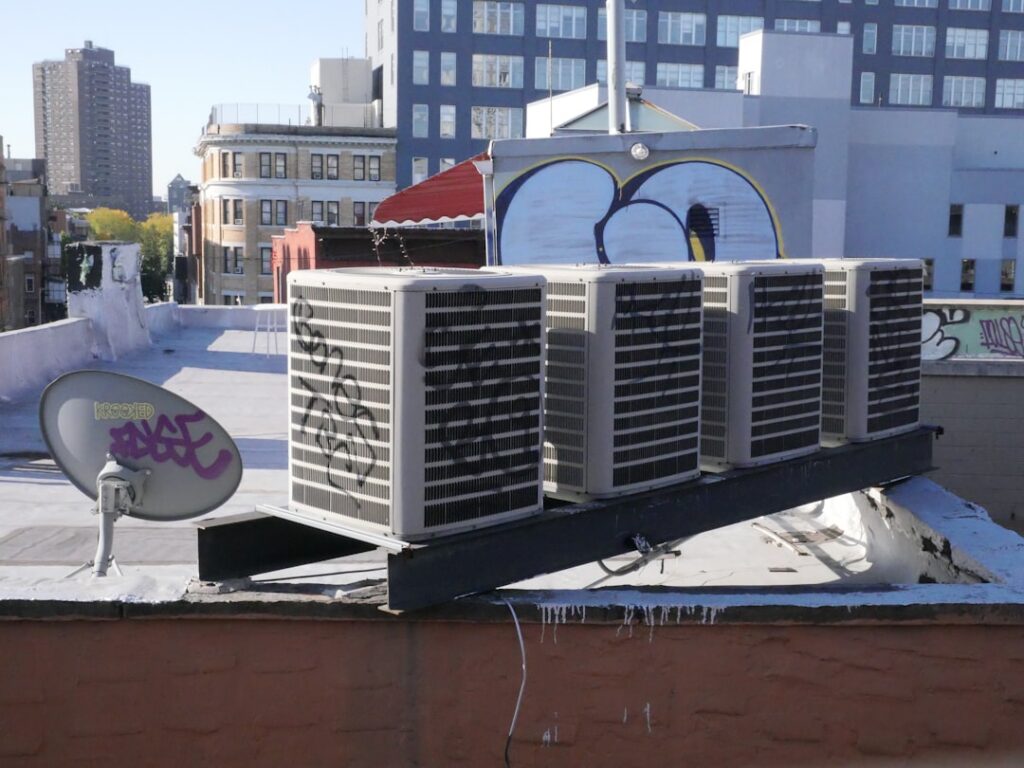
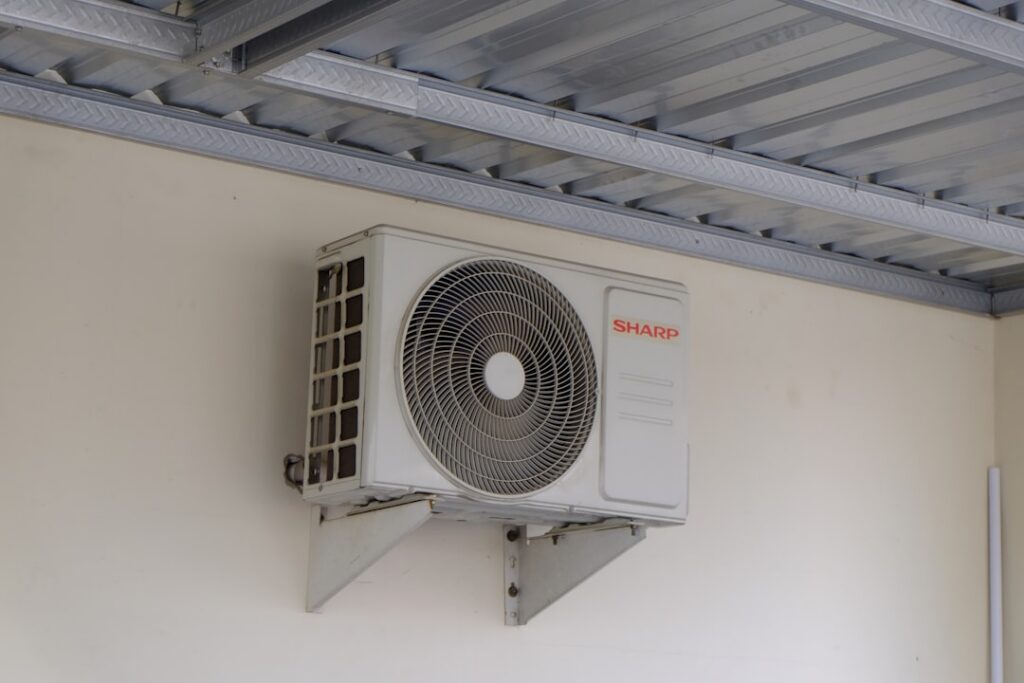
Air source heat pumps (ASHPs) pull warmth from the outside air, even down to freezing temps. They use a refrigerant cycle to boost heat and send it indoors.
Key perks:
– Lower upfront cost than geothermal
– Quick to install on walls or ground mounts
– Doubles as cooling in summer
Downsides?
– Efficiency dips in sub-zero weather
– Outdoor units need clear air flow
An ASHP can achieve a seasonal COP (coefficient of performance) of around 3 to 4. That means for every kW of electricity, you get 3–4 kW of heat. Not bad. But if you live where winter bites deep, you might see COP drop near 2.
How Geothermal Heat Pumps Work
Geothermal (ground source) systems tap constant underground temps (around 10 °C). A loop of pipes—vertical or horizontal—circulates fluid that trades heat with the earth.
Reasons to love it:
– Stable performance year-round
– COP often above 4, even in a frost
– Integrated hot water boost via desuperheater
The catch? Drilling or trenching. Horizontal loops need space; vertical wells cut deep. That pushes the initial quote well beyond the typical ASHP. But remember: a more efficient pump can slash your heating bill by half or more. That matters when you crunch the net zero home heat pump cost over 20 years.
Installation and Upfront Costs
Upfront spend is where ASHPs often win. But geothermal pays you back in comfort and savings.
Air Source Installation Considerations
A standard ASHP install includes:
– Outdoor unit mounting
– Indoor air handler or connection to ductwork
– Refrigerant lines and wiring
On a typical UK home, expect £8,000–£12,000 before grants. Add a dehumidifier or energy recovery ventilator and you’re closer to £15,000.
If you want precise numbers—or to compare multiple systems—Start your heat pumps installation quotation and see tailored options today.
Installation time? A few days. Disruption? Minimal if your ductwork is already in place. Space needed? Just enough for the outdoor unit and indoor pipes.
Geothermal Installation Considerations
Geothermal calls for drilling or digging:
– Horizontal loops: 6–10 ft deep trenches across a field
– Vertical wells: boreholes up to 400 ft deep
Vertical can hit £18,000–£25,000 just for drilling. Full kit—pump, plumbing, in-home unit—takes totals to £25,000–£35,000. Horizontal can be 20–30% cheaper if you’ve got the land.
Want a tailored figure for your site? Get your heat pumps installation quotation started to discover precise costs and government grant options.
Both systems tie into bespoke system design, courtesy of Megawave’s expert engineers. They handle site surveys, planning permission (if needed) and integrate any zero-carbon refrigerant, like R290.
Return on Investment and Operating Costs
Running Costs: The Long Game
Efficiency isn’t just bragging rights—it’s pounds saved. Here’s a glance at running a typical 12 kW unit over a year:
– ASHP: ~£600–£800
– Geothermal: ~£300–£400
That’s £200–£400 per month difference in winter. Over 20 years, that adds up.
But remember maintenance:
– ASHP: filter swaps, refrigerant checks, fan motors
– Geothermal: minimal—loops last 50+ years, indoor unit 20–25 years
Payback Period Comparison
Say you spend:
– ASHP bundle: £15,000
– Geo full install: £30,000
Difference: £15,000. If you save £400 per year on bills, it takes 37.5 years to break even. Not appealing—unless you tap the 30% clean energy tax credit or local grants.
With grants and credits, your net extra spend for geothermal might shrink to £7,000–£10,000. Then payback slides to 17–25 years. For a forever home, that aligns with system lifespan.
Want to see how those numbers play out on your site? Megawave: Eco-Friendly net zero home heat pump cost breakdown has interactive tools and real case studies to guide you.
Choosing the Right System for Your Net Zero Home
Space and Land Requirements
If your garden is a postage stamp:
– Lean toward air source.
– You need just a wall or ground pad.
Got a field or orchard?
– Horizontal geothermal loops tuck in neatly.
– Vertical wells only require a small footprint for the drill rig.
Maintenance and Lifespan
Here’s the quick compare:
– ASHP indoor unit: 10–15 years, outdoor 15–20.
– Geo indoor unit: 20–25 years, loops 50+.
An airtight, well-insulated shell plus a high-MERV filter can make either system whisper-quiet. Megawave offers maintenance plans that include annual check-ups, filter changes and remote monitoring for total peace of mind.
Need a solid quote for ongoing support or a one-off check? Begin your heat pumps installation quotation and tailor a maintenance package.
Conclusion: Making the Net Zero Choice
Air source heat pumps shine if you want lower upfront costs and quick installs. Geothermal wins on long-term efficiency and stable performance. Both systems drive down carbon and shrink those bills.
When you budget, always factor in:
– Government grants and tax credits
– Your home’s size and insulation
– How long you plan to live there
Curious about exact figures and a bespoke net zero home heat pump cost? Start planning your future-proof system with Megawave’s expert team: Plan your net zero home heat pump cost with Megawave’s tailored solutions.
Share
Related posts