Welcome to Heat Pump Efficiency Ratings: Your Go-To Guide
Tired of hefty energy bills and a guilty conscience about CO₂ emissions? You’re not alone. Every homeowner wants a heating solution that’s efficient, eco-friendly, and kind to your wallet. That’s where heat pump efficiency ratings come into play. These numbers tell you exactly how much heating power you get for every unit of electricity you feed in. Simple, right?
In this guide, we’ll walk you through the nuts and bolts of air source heat pumps. We’ll explain what those ratings mean, how to read them, and how you can save up to 50% on heating costs. Plus, you’ll discover how government grants can slash your upfront spend. Curious? Discover heat pump efficiency ratings with Megawave: Eco-Friendly Heating Revolution
What Is an Air Source Heat Pump?
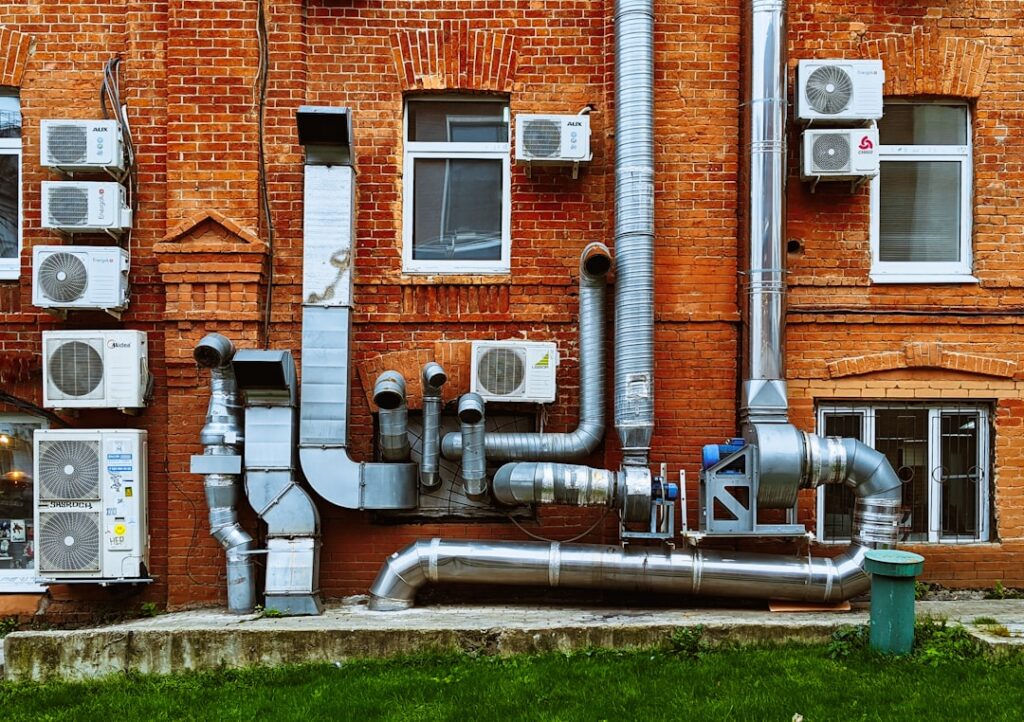
Air source heat pumps look like outdoor units you’d find in an air-con system. But instead of making you chill in July, they heat your home come winter—and even cool it in summer. They work by:
- Drawing warmth from the outside air.
- Compressing that heat via refrigerant.
- Pumping it indoors through radiators, underfloor systems, or fan coils.
Think of it like a fridge running in reverse. The big bonus? You’re tapping into renewable ambient heat. No gas boiler, no fossil fuels. Just air, electricity, and clever engineering.
Decoding Heat Pump Efficiency Ratings
Ever seen a sticker on a heat pump quoting COP or SCOP and felt baffled? You’re not alone. Here’s the lowdown on the key terms:
- COP (Coefficient of Performance): Measures output heat versus input electricity at a single point (e.g., 7°C outside). A COP of 4 means 4 kW of heat for 1 kW of electricity.
- SCOP (Seasonal Coefficient of Performance): Tracks performance over an entire heating season. More real-world and handy for comparing units.
- SPF (Seasonal Performance Factor): UK term similar to SCOP, factoring in local climate and usage patterns.
Why do these matter? Well, a unit with a higher COP or SCOP will cut your bills and emissions more. It’s like choosing a car that uses 50 mpg instead of 30 mpg. You’d pick the 50 mpg car every time.
How to Compare Ratings
• Look for an A-rating on the ErP label.
• Compare SCOP values—aim for 3.5 or higher.
• Ask installers for real-world performance data.
Top Benefits of Air Source Heat Pumps
Switching to an air source heat pump isn’t just about cleverness. It’s about real perks:
- Slash Your Bills: Save up to 50% compared to a gas boiler.
- Eco-Friendly: Zero-carbon refrigerant R290 option available.
- Heating and Cooling: One system for winter and summer.
- Low Maintenance: Annual check-ups, not monthly tune-ups.
- Smart Integration: Compatible with home automation for remote control.
Government Grants and Incentives
Good news: the UK government offers the Boiler Upgrade Scheme. That’s up to £5,000 off your installation. It’s not a loan—it’s a grant. You apply, get approved, and drop the cost of your heat pump system.
Want an exact figure for your home? Start your air source heat pump quote today
There’s no catch. Just a greener, cheaper way to heat your home. And since installation costs can be a barrier, this grant accelerates your payback period to around 5–7 years instead of 10–12.
Why Choose Megawave’s Air Source Heat Pump Solutions
Megawave focuses on innovation and zero-carbon technologies. Here’s why homeowners pick us:
- Utilisation of R290 zero-carbon refrigerant for a smaller footprint.
- Tailored system designs to match your home’s unique layout.
- Seamless installations by certified engineers.
- Maintenance support to keep efficiency high year after year.
- Flexible finance options if you prefer to spread the cost.
Need a firm installation estimate? Get your free heat pumps installation quotation now
Real Savings: Case Studies and Figures
Let’s crunch some numbers. Sarah in Manchester swapped her old boiler for a 10 kW air source heat pump:
- Previous annual heat cost: £1,200.
- New heat cost (with grant): £600.
- CO₂ cut: from 3.5 tonnes to under 1.5 tonnes.
John in Bristol went further—adding underfloor heating. His system’s SCOP hit 4.2, slicing bills by 55%. Now imagine tens of thousands of UK homes making similar savings. That’s serious change.
Compare heat pump efficiency ratings with Megawave’s expert guide
Common Myths Busted
Still sceptical? Let’s clear up some myths:
• “They don’t work in winter.” False. Modern heat pumps deliver heat down to –20 °C.
• “They’re noisy.” On average, units run at 40–50 dB—about the level of a quiet suburb.
• “They need loads of space.” Most systems fit neatly in backyards or on driveways.
Testimonials
“I was amazed at how quickly my bills dropped. Megawave’s team handled everything, from design to final check. No fuss.”
— Lucy Ward, Cardiff
“Our home is cosy even on frosty mornings. The zero-carbon refrigerant is a win for us and the planet.”
— Mark Patel, Leeds
“Friendly installers, clear advice, and real savings. The maintenance plan keeps it running smoothly.”
— Rachel O’Neill, Edinburgh
How to Get Started with Your Installation
Ready to make the switch? Here’s the easy path:
- Initial Enquiry: Share your requirements.
- Site Survey: Engineers map out the best setup.
- Tailored Quote: Receive costs, grant info, and timeline. Request your heat pumps installation quotation online
- Installation Day: Certified team works swiftly and tidily.
- Commissioning: System checks and user training.
- Enjoy Savings: Monitor performance via smart controls.
Conclusion
Air source heat pump efficiency ratings unlock major savings and eco-benefits. By understanding COP, SCOP, and SPF, you can pick a system that suits your home. Megawave’s innovative solutions, zero-carbon refrigerant, and flexible finance options mean you get comfort without compromise.
Ready to dive deeper? Learn more about heat pump efficiency ratings from Megawave: Eco-Friendly Heating Revolution
Share
Related posts