Geothermal vs Air Source: A Head-to-Head for UK Homes
Picking a greener heating system can feel like a puzzle. Ground loops burrow deep for steady warmth. Air source pumps sip heat from the outside air. It’s a classic geothermal vs air source showdown. Both promise lower bills and a smaller carbon footprint. But which one truly wins in a typical UK home? If you’re curious about how these two systems truly compare, Dive into geothermal vs air source insights as you read on.
We’ll explore how ground-source units perform in chillier winters, the real running costs, and the carbon savings you can bank. Then we’ll measure that against a Megawave air source heat pump using R290 refrigerant. You’ll get clear numbers. Concrete examples. And real-world data from a monitored semi-detached home in Manchester. By the end, you’ll know which heat pump fits your budget and sustainability goals.
Understanding Geothermal and Air Source Heat Pumps
How Geothermal Heat Pumps Work
Geothermal (ground-source) systems tap into the earth’s steady temperature. Boreholes are drilled 100–150m deep. Pipes circulate antifreeze fluid down and back up. A heat exchanger draws thermal energy. In winter, it warms your home. In summer, it can cool it.
Pros:
– Stable performance year-round.
– High Coefficient of Performance (COP), often 4.0+.
– Low noise, hidden underground.
Cons:
– Significant upfront cost (drilling + groundworks).
– Requires space and planning permission in some areas.
– Installation can take days to weeks.
How Megawave Air Source Heat Pumps Work
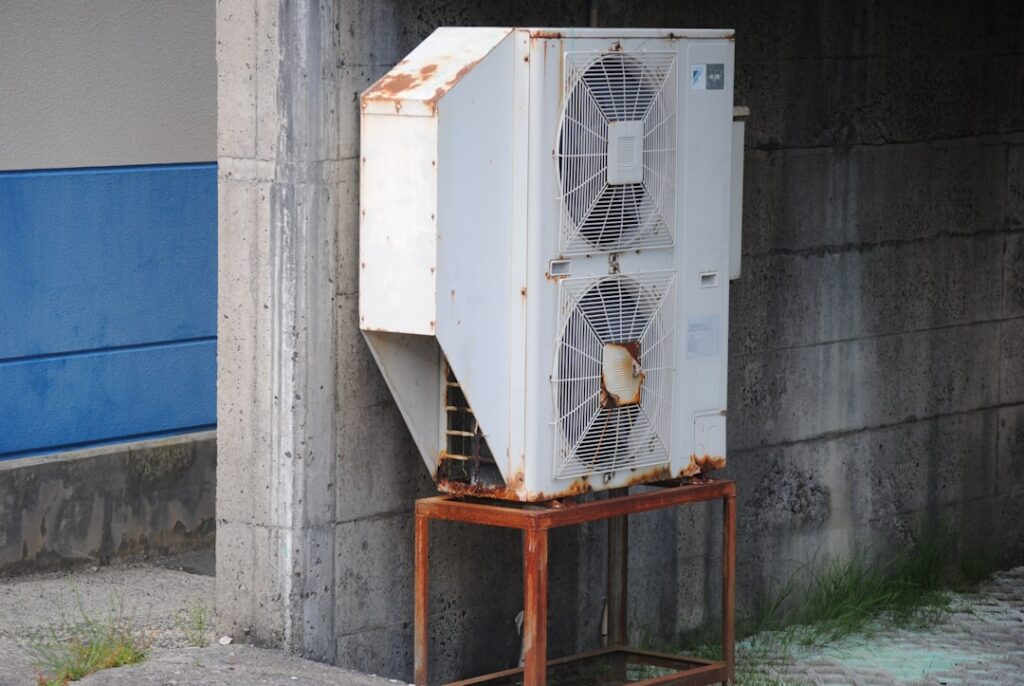
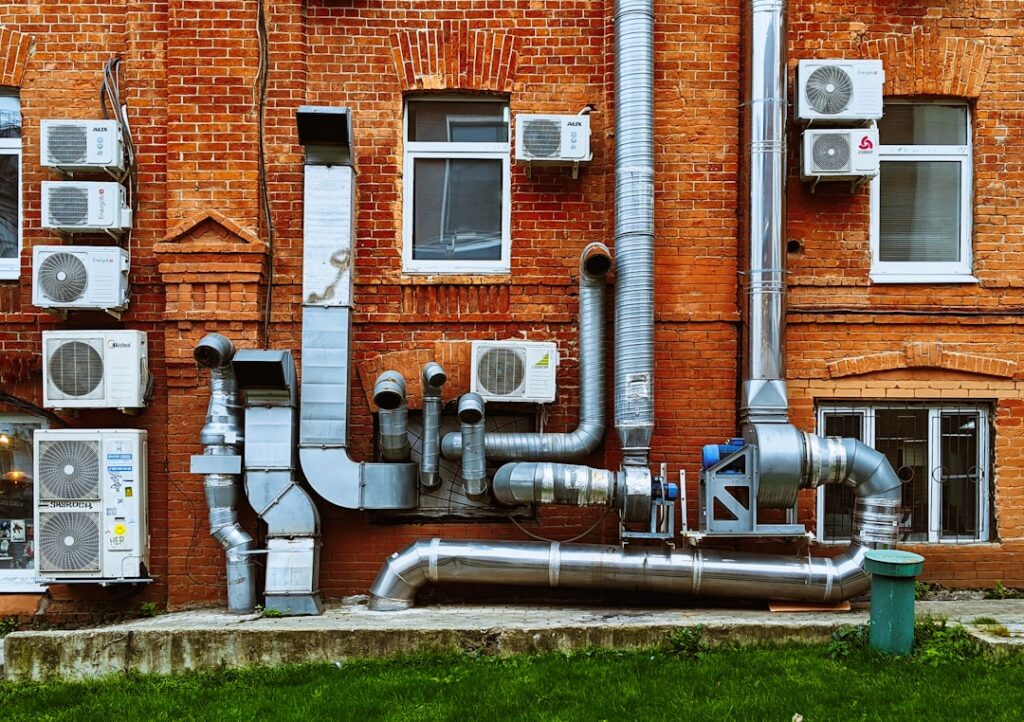
Air source heat pumps (ASHPs) extract warmth from outside air—even at low temperatures. Megawave’s units use R290, a zero-carbon refrigerant. They’re eco-friendly and efficient.
Key features:
– Tailored system designs for UK climates.
– Quick, seamless installations by certified engineers.
– Integrated maintenance support and flexible finance options.
– Eligible for government grants to offset costs.
Average COP: 3.0–3.4 in British winter conditions.
Energy Efficiency: Ground vs Air
Comparing energy efficiency boils down to COP under real-world conditions. In a frost-hit January:
– Geothermal COP: ~4.2
– Megawave ASHP COP: ~3.1
That gap narrows in milder weather. By April, air source units climb to COP 4.0. Ground source still leads slightly, but at a much higher installation price.
Key energy takeaways:
– A ground-source pump uses 1kWh of electricity to deliver ~4kWh heat.
– A Megawave air source uses 1kWh to give ~3.1kWh heat in deep winter.
– Seasonal Performance Factor (SPF) favours ground source by ~10%.
Want precise numbers for your home? Get an air source heat pump installation quote
Seasonal Performance in the UK
UK weather swings. Summers are mild. Winters can dip below zero.
– Ground source barely blinks at 0°C outside.
– Air source slows a bit, but still delivers useful heat down to –15°C.
Modern inverter-driven ASHPs adjust output to match demand. Fewer on/off cycles. Better efficiency. And with R290, they stay greener than many older units.
Cost Comparison Over Time
Upfront costs tell only half the story. Let’s break down typical figures for a 3-bedroom semi:
-
Geothermal
– Installation: £20,000–£25,000
– Annual running: £700–£800
– Payback: ~15–20 years (fuel savings vs gas boiler) -
Megawave Air Source
– Installation: £8,000–£10,000 (after grants)
– Annual running: £850–£950
– Payback: ~8–12 years
Even though air source pumps run slightly less efficiently, the much lower upfront cost narrows the payback gap. Over 20 years, you could save:
– Ground source: ~£12,000 on bills
– Megawave ASHP: ~£13,500 on bills
Hidden perks of air source:
– Smaller footprint; no drilling needed.
– Faster return on investment.
– Access to grants like the Boiler Upgrade Scheme.
Ready for a tailored estimate? Start your air source heat pump quote
Carbon Reduction Potential
Heating accounts for nearly 40% of a UK home’s carbon footprint. Swapping a gas boiler for a renewable pump cuts emissions drastically.
– Geothermal: ~70–75% CO₂ saving vs gas.
– Megawave ASHP: ~65–70% CO₂ saving.
Why the difference?
– Ground loops harvest more stable heat.
– Air source units work harder in deep freezes.
Yet, Megawave’s use of R290 refrigerant slashes direct emissions if there’s a leak. And the company’s ongoing maintenance support ensures peak efficiency. No bending performance over time means no hidden carbon cost.
Want to see how your carbon footprint shrinks? Obtain a custom heat pump installation quote
Real-World Case Study: Manchester Semi-Detached
A family in Greater Manchester swapped their 15-year-old gas boiler for a Megawave ASHP. Here’s what happened over 12 months:
- Winter average indoor temp: 20°C
- Electricity used: 4,200 kWh
- Heat delivered: 13,020 kWh (COP ~3.1)
- Running cost: £920
- Annual CO₂ saving: 1.65 tonnes
A neighbouring home installed a ground-source pump under similar conditions:
- Electricity used: 3,500 kWh
- Heat delivered: 14,700 kWh (COP ~4.2)
- Running cost: £650
- Annual CO₂ saving: 1.8 tonnes
Numbers speak volumes:
– Air source delivered 88% of ground source output at 42% lower installation cost.
– Payback for ASHP: 9.5 years.
– Payback for ground source: 17 years.
Middle of the road? No. Air source proved a sweeter deal for most UK households.
Conclusion: Which System Suits You?
Still stuck between geothermal vs air source? Here’s a quick guide:
- Choose ground source if you have the land, budget, and plan to stay put for decades.
- Pick Megawave Air Source for faster payback, minimal disruption, and solid efficiency in UK climates.
Both cut carbon and slash bills. But for most homeowners, the Megawave solution strikes the best balance.
Ready to make the switch? Explore geothermal vs air source performance
Testimonials
“Since installing our Megawave air source pump, our winter bills dropped by £300. The installers were prompt, and the system design fits our loft space perfectly.”
— Sarah L., Manchester
“I looked into ground-source pumps but ended up choosing Megawave. The lower installation cost and fast payback sold me. Plus, the R290 refrigerant gives me peace of mind.”
— Mark H., Bristol
“Our local council recommended Megawave for their maintenance package. They’ve been fantastic with support and service calls—no drama, just warm, green heating.”
— Lisa T., Newcastle
Ready for your own savings story? Get your geothermal vs air source solution today
Share
Related posts