A Perfect Start: Getting Your Efficient Heat Pump Design Right
Designing an efficient heat pump design isn’t just ticking boxes—it’s about building a system that hums quietly, keeps your energy bills down, and reduces your carbon footprint. In this guide, we distill years of hands-on experience into practical steps. You’ll learn how correct sizing, smart refrigerant choice, and precise installation can turn a good heat pump into a stellar performer in any UK home.
In the sections ahead, we unpack everything from the basics of air source heat pump physics to pro tips on mounting and commissioning. Whether you’re a homeowner exploring renewable options or an installer keen to up your game, these guidelines offer a clear roadmap for reliable, sustainable heating. Ready to elevate your project with an efficient heat pump design? Megawave’s efficient heat pump design for eco-friendly heating solutions is your first step to seamless comfort and savings.
Understanding Air Source Heat Pumps
Air source heat pumps extract heat from outside air and transfer it indoors. They work like a fridge in reverse: instead of dumping heat out, they pull it in. Even on chilly days, there’s enough ambient energy to keep your home cosy. This clever system can also run in reverse to cool your space during summer.
Key benefits include:
- Energy efficiency: Often delivers 3–4 kW of heat for every kW of electricity.
- Dual function: Provides heating in winter and cooling in summer.
- Lower carbon: Zero on-site emissions when combined with renewable electricity.
By grasping these basics, you’re on track to optimise any efficient heat pump design.
How Heat Pumps Work in Simple Terms
- Evaporation: Liquid refrigerant (like R290) absorbs warmth from outside air and turns gas.
- Compression: The gas is compressed, raising its temperature.
- Condensation: Hot gas releases heat into radiators, underfloor loops, or air handlers.
- Expansion: The refrigerant returns to liquid form and repeats the cycle.
This cycle’s efficiency hinges on correct component choices and installation best practices.
Key Principles of Efficient Heat Pump Design
Getting an efficient heat pump design requires attention to three pillars: sizing, placement, and refrigerant. Let’s dive into each.
Correct Sizing for Your Home
A heat pump must match your home’s heat loss. Undersized units struggle on cold days; oversized ones short-cycle, wasting energy. Follow these steps:
- Conduct a heat loss calculation using building fabric data.
- Factor in insulation levels, window types, and airtightness.
- Adapt for local climate, especially if you’re in a northern UK region.
Accurate sizing boosts performance and extends equipment life—cornerstones of any efficient heat pump design.
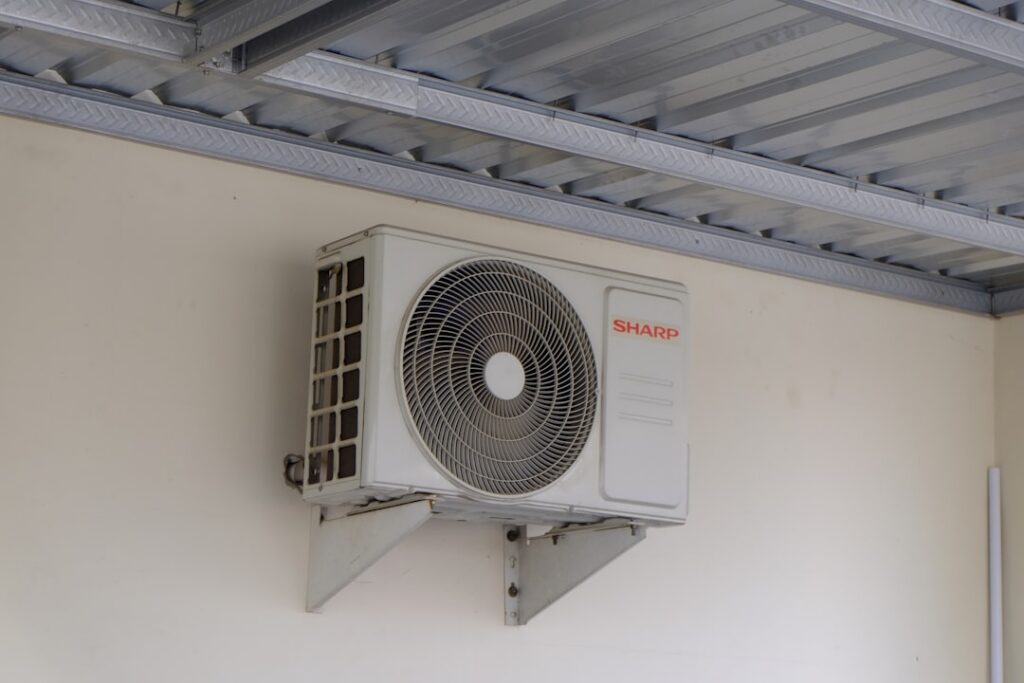
Optimal Location and Installation Angle
Install the outdoor unit where there’s good airflow and minimal noise impact:
- At least 30 cm from walls.
- On a stable, vibration-damping bracket.
- Tilted slightly backwards for water runoff.
Positioning affects both system efficiency and neighbourly relations. Proper siting is a simple but critical step in an efficient heat pump design.
Choosing Zero-Carbon Refrigerants like R290
Modern systems use R290 (propane) for its low global warming potential. Benefits include:
- Excellent thermodynamic properties.
- Lower refrigerant charge per kW of capacity.
- Future-proof compliance with environmental regulations.
Selecting the right refrigerant is a hallmark of a truly efficient heat pump design.
Start your air source heat pump quote to explore tailored refrigerant options and system layouts.
Installation Best Practices Step by Step
Even the best design falters without meticulous installation. Here’s a streamlined checklist:
- Site Assessment: Evaluate structural support, noise limits, and service access.
- System Design: Use load calculations to choose unit capacity and piping layout.
- Mounting & Clearances: Secure brackets, maintain airflow clearances, and minimise vibration.
- Pipework & Insulation: Size pipes correctly, insulate thoroughly to prevent heat loss.
- Electrical Connections: Follow IET wiring regulations and include surge protection.
- Controls & Commissioning: Program thermostats, test defrost cycles, and measure flow rates.
These steps ensure your efficient heat pump design performs at peak COP (Coefficient of Performance) from day one.
Halfway in? Let’s keep momentum with another quick win. Elevate your comfort and savings by exploring Megawave’s advanced installations.
Maintenance and Aftercare
An efficient heat pump design is only as good as your maintenance routine. Megawave offers scheduled services to keep your system running smoothly:
- Biannual Check: Clean filters, inspect refrigerant levels, test defrost cycles.
- Annual Service: Full performance audit, electrical safety check, and firmware updates.
- Remote Support: Monitor system health and get proactive maintenance reminders.
This proactive approach extends lifespan and preserves your efficiency gains.
Need a maintenance plan or fresh installation quote? Request a heat pumps installation quotation.
Common Pitfalls and How Megawave Solves Them
Even seasoned installers can slip up. Watch for:
- Incorrect Load Calculations: We use industry-standard software and on-site verification.
- Poor Piping Insulation: Our installation teams use high-grade lagging to limit heat loss.
- Neglected Commissioning: Every Megawave system undergoes rigorous performance testing.
By pairing top-tier technology with expert service, Megawave eliminates these headaches and guarantees an efficient heat pump design that delivers.
Real-World Results: Performance Metrics
Here’s what you can expect when you nail an efficient heat pump design:
- Seasonal COPs between 3.5–4.2.
- Year-on-year energy savings of up to 50%.
- Payback periods as short as 5–7 years with government grants.
These metrics aren’t wishful thinking—they come from UK installations monitored over multiple seasons. The numbers speak for themselves.
Testimonials
“Switching to Megawave’s R290 system cut our heating bills by 45% in the first winter. The team handled sizing, installation, and support without a hitch.”
– Alexandra P., Surrey
“Our new heat pump is whisper-quiet and efficient. The bespoke design process gave us total confidence, and the finance options made the upgrade affordable.”
– Daniel R., Manchester
“From initial quote to annual service, Megawave exceeded expectations. They explained every step, and the efficiency gains are impressive.”
– Priya S., Bristol
Conclusion
An efficient heat pump design transforms how you heat and cool your home. From correct sizing and strategic placement to eco-friendly refrigerants and pro-level maintenance, every detail counts. With Megawave’s tailored system designs, expert installations, and flexible finance options—backed by government grants—you’re set for lasting comfort and lower bills.
Ready to make the switch? Discover Megawave’s efficient heat pump design solutions and step into a greener, cost-effective future.
Share
Related posts