Warm Up: Finding the Perfect Heat Pump Match
Heating and cooling your home shouldn’t feel like guesswork. You want efficiency, low bills and minimal carbon footprint. That’s where comparing air source, geothermal and underfloor heating compatibility comes in. Each system has its quirks, strengths and cost points. We’ll guide you through the pros and cons. No jargon. Just practical insights.
By the end, you’ll know which Megawave solution fits your home like a glove. We’ll highlight zero-carbon refrigerant R290 models, show you how government grants lighten the bill and outline flexible finance options. Ready to check if your property will suit underfloor heating compatibility with a Megawave heat pump? Check underfloor heating compatibility with Megawave
Air Source Heat Pumps: The Flexible Climate Companion
How They Work
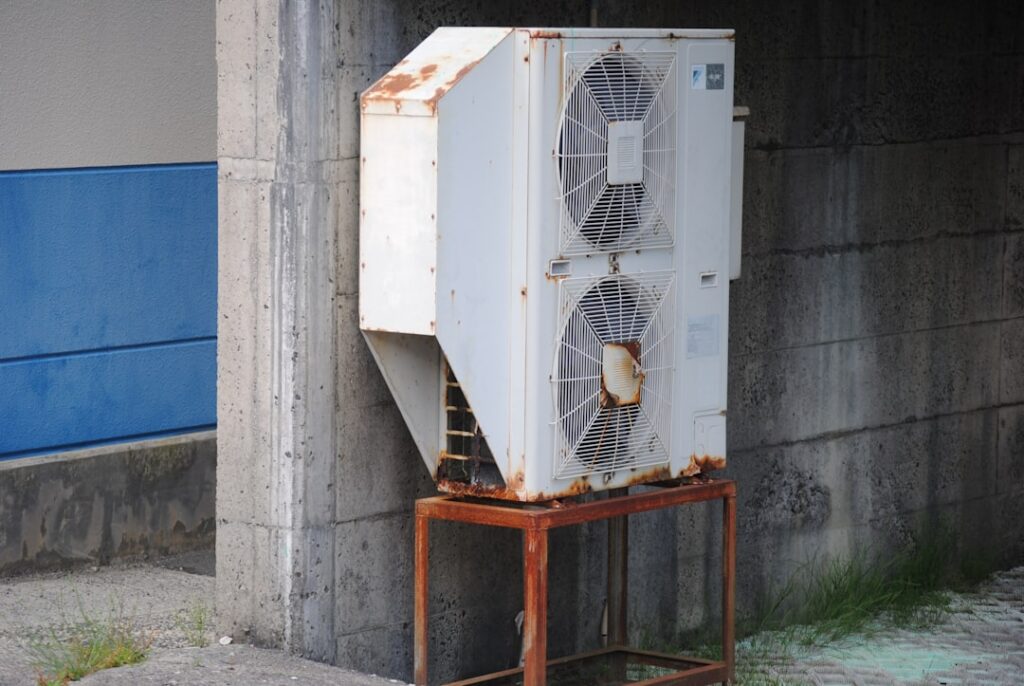
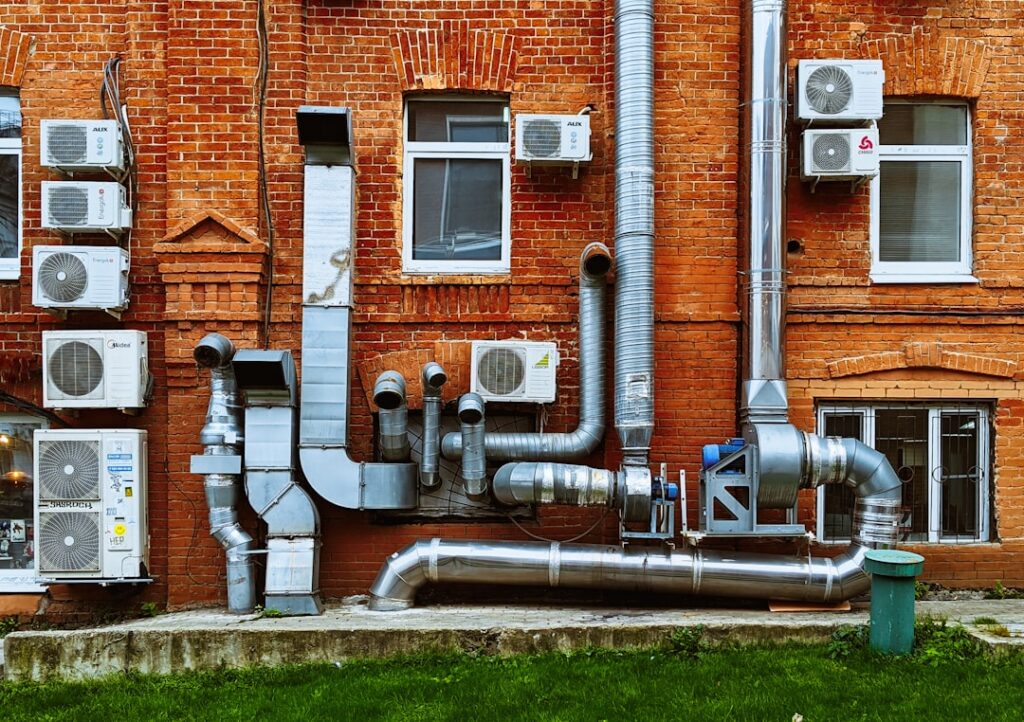
Air source heat pumps extract warmth from outside air – even at low temperatures. Inside, a heat exchanger uses electricity to move that heat indoors. In summer, it flips the process, cooling your home. That dual-function cuts out separate heating and cooling units. One system does all.
Pros and Cons
- Pros:
- Quick installation.
- Compact footprint.
- Lower upfront cost than geothermal.
- Government grants often apply.
- Cons:
- Efficiency dips in extreme cold.
- Outdoor unit needs space and airflow.
- Noise levels vary by model.
Best For
- Homes without drilling space.
- Budget-conscious buyers who still want savings.
- Modern houses with good insulation.
Thinking about installation? You can Get your heat pumps installation quotation today and see how affordable an eco-friendly air source heat pump can be.
Geothermal Heat Pumps: The Underground Powerhouse
How They Work
Geothermal systems tap stable ground temperatures via buried loops. These collect heat in winter and dump heat in summer. The deeper you go, the steadier the temperature – above freezing, below scorching. That consistency boosts efficiency, pushing COP (Coefficient of Performance) above 4 in many cases.
Pros and Cons
- Pros:
- High efficiency year-round.
- Low running costs.
- Silent outdoor operation.
- Cons:
- High upfront excavation cost.
- More complex to install.
- Not ideal for small gardens.
Best For
- Properties with enough land.
- Long-term planners ready to benefit over decades.
- Eco-enthusiasts aiming for the lowest carbon footprint.
Underfloor Heating Compatibility: A Match Made in Heaven?
Why Underfloor Heating?
Underfloor heating spreads warmth across the entire floor. No cold spots. No clunky radiators. It runs on lower water temperatures, which aligns perfectly with heat pumps. Lower water temps mean the system doesn’t work as hard. Saves energy. Cuts bills.
Compatibility with Heat Pumps
Underfloor systems excel at steady, gentle heat output. Heat pumps deliver water at around 35–45°C for UFH. Radiators usually need higher temps. That mis-match reduces efficiency. With underfloor heating compatibility, you get:
– Better heat pump performance.
– Consistent room temperatures.
– Lower energy consumption.
Need to see if your flooring and insulation levels tick the boxes? Ensure underfloor heating compatibility with our experts
Installation Considerations
- Floor construction: screed, wood, tile?
- Insulation quality to prevent heat loss downwards.
- System zoning for individual room control.
- Professional design to size loops and pump correctly.
Before you dig in, why not Start your air source heat pump quote? It takes minutes and puts you on the right track.
Comparing Efficiency, Cost, and Eco-Impact
Efficiency Metrics
- Air source: COP ~3 (seasonal).
- Geothermal: COP ~4–5.
- Underfloor combo: boosts COP by reducing water temp needs.
Carbon Footprint
All systems cut CO₂ compared to gas boilers. Geothermal leads, but air source with R290 refrigerant is close behind. Underfloor heating reduces pump workload. Less power used. Fewer emissions.
Running Costs
- Air source: £500–£800/year.
- Geothermal: £400–£600/year.
- Add underfloor: drop costs by up to 10%.
Choosing the Right System for Your Home
Assess Your Home’s Heat Demand
- Conduct an energy audit.
- Check insulation levels.
- Map out preferred heat delivery: radiators vs underfloor.
Budget and Incentives
- Government grants can cover up to 35% of installation.
- Finance options spread payments.
- Geothermal demands a bigger sticker price but pays back in years.
Long-Term Savings
- Look at total cost of ownership over 15–20 years.
- Factor in maintenance, electricity tariff forecasts, and possible system upgrades.
Maintenance and Support: Keeping the Heat Flowing
Megawave offers tailored system designs, seamless installation and ongoing maintenance. Our experts ensure optimal performance with:
– Annual service checks.
– Remote diagnostics.
– Zero-carbon refrigerant top-ups when needed.
Staying on top of maintenance extends lifespan to 20+ years. Peace of mind included.
Testimonials
“Switching to a Megawave air source heat pump with underfloor heating transformed our damp cottage. Bills halved and every room feels cosy.”
— Sarah Thompson, Dorset
“I opted for geothermal and underfloor in our new build. The system just hums along, whisper-quiet and super efficient.”
— Mark Patel, Oxfordshire
“Our Megawave quotation was straightforward. Their team handled all paperwork for grants. Installation was a breeze.”
— Emma Wilson, Bristol
Conclusion: Your Next Step to Sustainable Comfort
Now you’ve got the lowdown on air source, geothermal and underfloor heating compatibility. You know what fits your home, budget and eco-goals. All that’s left is to take action. Check underfloor heating compatibility with Megawave and step into a greener, warmer future.
Share
Related posts