Introduction: Choosing the Right Renewable Heater
Thinking about upgrading your home’s heating? You’ve probably seen the buzz around air vs geothermal heat pumps. Both systems harness renewable energy, but they differ in how they capture heat, cost you, and perform through the seasons. This article unpacks those differences, so you can make an informed choice and future-proof your UK home. Whether you’re curious about lower bills or greener heating, Explore air vs geothermal heat pumps with Megawave’s Eco-Friendly Heating Revolution.
We’ll compare upfront installation, running costs, efficiency in cold snaps, environmental impact, and available government grants. We’ll also highlight Megawave’s expert installation and maintenance services, plus zero-carbon refrigerant options like R290 that drive down CO₂ emissions. By the end, you’ll know exactly which system fits your budget, your garden space, and your eco-goals.
How Do Air and Geothermal Heat Pumps Work?
Heat pumps move warmth rather than create it. Air source heat pumps (ASHPs) extract heat from outdoor air, while geothermal (ground source) heat pumps (GSHPs) tap latent heat stored underground.
Air Source Heat Pumps
- Draw heat from outside air via refrigerant coils.
- Use an inverter-driven compressor to boost temperatures.
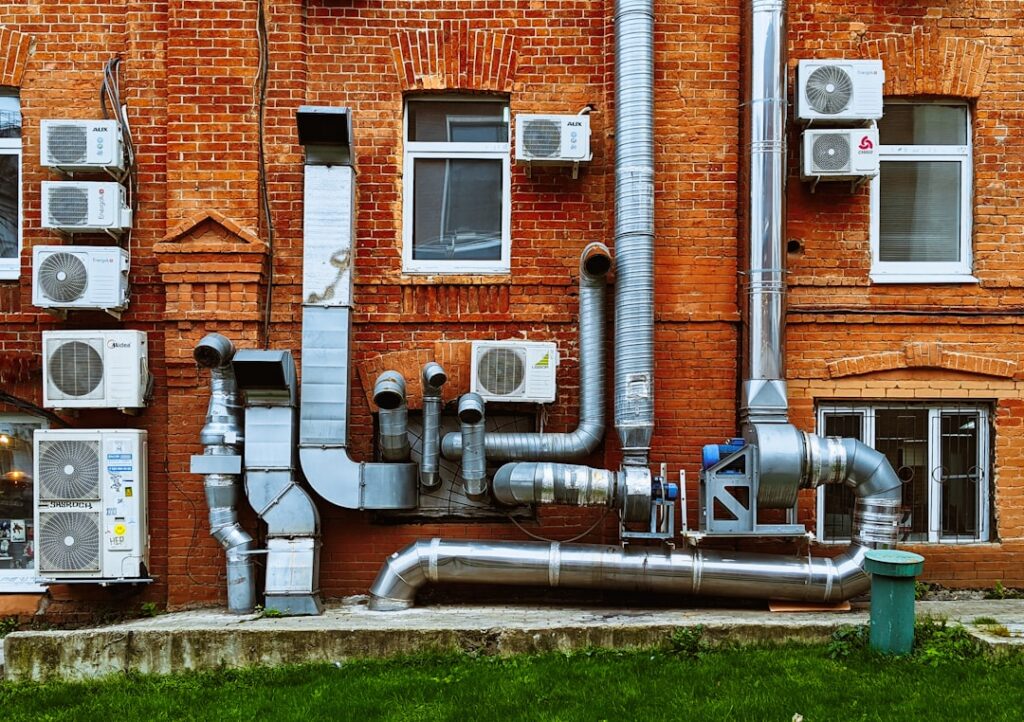
- Provide both heating and cooling—like an all-in-one HVAC system.
- Quick to install and ideal for most back gardens or walls.
Geothermal Heat Pumps
- Bury loops of pipe underground (horizontal or vertical).
- Extract stable ground temperatures year-round.
- Often deliver higher Coefficient of Performance (COP) in winter.
- Require more land or deeper drilling—higher upfront costs.
Cost Comparison: Installation and Running Expenses
Cost is a top concern when comparing air vs geothermal heat pumps. Let’s break down the numbers for a typical UK home.
Installation Costs
- Air Source Heat Pump: £7,000–£12,000
- Ground Source Heat Pump: £14,000–£25,000
Geothermal systems need trenching or boreholes. That pushes the initial price up. But if you’ve got the space (or a willing buyer), the long-term savings can offset it.
Running Costs
- ASHP: £600–£900 per year
- GSHP: £500–£800 per year
Because ground temperatures stay relatively constant, geothermal units often edge out air source pumps in running efficiency. But if your outdoor area is small, an ASHP can still cut bills by up to 50% compared to gas boilers.
Maintenance Expenses
- Air Source: £100–£150 annual tune-up
- Geothermal: £120–£180 annual tune-up
Both systems need seasonal checks on refrigerant charge, coil health, and controls. Megawave’s expert maintenance services ensure your pump runs at peak performance, avoiding icy coils or unexpected breakdowns.
Efficiency and Performance
When it comes to heating, efficiency is king. We measure this with the Coefficient of Performance (COP)—the ratio of heat output to electricity input.
- Typical ASHP COP: 2.5–3.5
- Typical GSHP COP: 3.5–4.5
At lower outdoor temperatures, ASHPs can struggle to hit their peak COP. Geothermal systems, insulated by the ground, keep delivering steady warmth on frosty mornings. On the flip side, modern air pumps with inverter technology now perform reliably down to -15°C.
Environmental Impact: Carbon Savings and Refrigerants
Both systems deliver greener heating. But there are nuances:
- Air Source Heat Pumps: Reduced CO₂ by 1–1.5 tonnes per year vs. gas boiler.
- Geothermal Heat Pumps: Reduced CO₂ by 1.5–2 tonnes per year.
Megawave leads the way with zero-carbon refrigerants like R290, avoiding high-GWP alternatives. This choice slashes indirect emissions and aligns with UK climate targets.
Government Grants and Finance Options
The UK government offers the Boiler Upgrade Scheme, providing grants up to £5,000 for heat pump installations. That rebate can shrink your initial outlay significantly.
Megawave also offers:
- Tailored finance plans with low monthly payments.
- Flexible terms to spread costs over 5–10 years.
- No-deposit options for qualifying customers.
Whether you aim to reduce bills or carbon footprint, grants plus finance make both ASHPs and GSHPs more accessible. See how air vs geothermal heat pumps stack up with our expert cost and efficiency guide.
Installing and Maintaining Your Heat Pump
A successful install hinges on experience and precision. Megawave provides:
- Tailored system designs based on insulation, ductwork, and site survey.
- Certified installation by our expert team in homes across the UK.
- Seasonal tune-ups: refrigerant balance, airflow checks, defrost cycle tests.
- 24/7 emergency support for unexpected breakdowns.
Plus, every installation uses best practices to guarantee maximum COP and reliability through winter chills or summer heatwaves.
Pros and Cons at a Glance
Air Source Heat Pumps
Pros:
– Lower upfront cost
– Quick install
– Dual heating and cooling
Cons:
– Performance dips in extreme cold
– Visible outdoor unit
Geothermal Heat Pumps
Pros:
– Very stable efficiency
– Longer lifespan (20+ years)
– Low noise
Cons:
– Higher installation cost
– Land or drilling needed
Making the Right Choice
Choosing between air vs geothermal heat pumps depends on:
- Budget: Do you prefer lower initial cost or long-term savings?
- Space: Is there enough land for ground loops?
- Climate: Colder regions favour geothermal.
- Planning: Will you leverage government grants?
A site survey helps clarify which system:
- Yields the best COP for your home.
- Fits your garden and planning constraints.
- Delivers maximum carbon and cost savings.
Customer Testimonials
“I switched to an air source heat pump from Megawave last winter. My energy bills dropped by 45%, and the system is whisper-quiet. The team handled the whole process, from survey to install, seamlessly.”
— Sarah, Bristol
“Our ground source pump has been brilliant. Even during sub-zero nights, it maintains a cosy 21°C indoors. Megawave’s maintenance plan keeps everything running smoothly.”
— James, Manchester
“I appreciated the flexible finance option. With the grant and monthly plan, I upgraded my old boiler with zero upfront cash. I’m saving money and the planet.”
— Priya, Leeds
Conclusion: Your Next Steps
Whether you lean towards an air source unit or a ground source setup, a heat pump is a solid way to cut costs and carbon. With Megawave’s advanced air source heat pump solutions, zero-carbon refrigerants, government grants, and expert support, you’re in good hands.
Ready to compare both options and get a personalised recommendation? Contact us today to discuss air vs geothermal heat pumps for your home.
Share
Related posts