Rethinking Home Heating: An Engaging Overview
The race for greener, smarter heating is on. You’ve heard of air source vs tankless heater setups. But which one truly earns the crown? In today’s guide, we break down how Megawave’s R290 air source heat pumps stack up against hybrid tankless water heaters. We’ll explore eco-impact, running costs, installation, and real-world savings.
By the end, you’ll have a clear picture. Ready to find out which tech fits your home or business? Make an informed choice. Discover Megawave: Eco-Friendly Heating Revolution for air source vs tankless heater solutions
How Air Source Heat Pumps Work
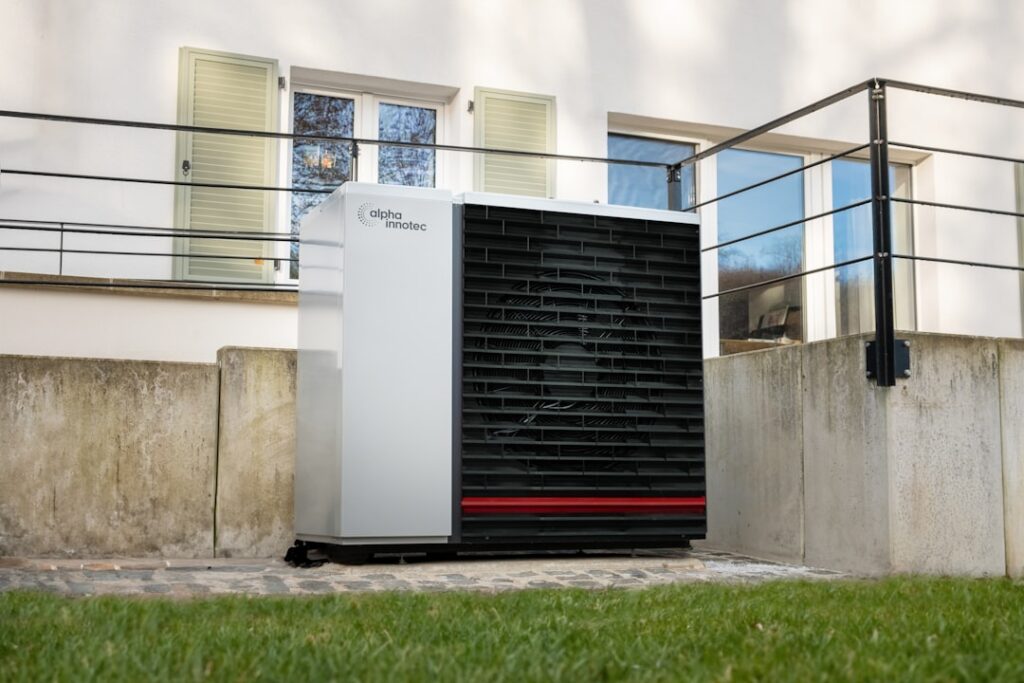
Air source heat pumps draw warmth from the air. They boost that heat and deliver it indoors. Sounds simple. Yet it’s highly efficient. The key is the R290 refrigerant. It’s zero-carbon. That means less climate impact.
The R290 Zero-Carbon Edge
Megawave’s R290 heat pumps offer:
- Impressive Coefficient of Performance (COP) up to 4.5
- Uses renewable energy even when it’s cold outside
- Zero-carbon refrigerant for a smaller footprint
- Quiet operation, thanks to advanced inverter control
- Eligible for UK government grants up to £5,000
These pumps also cool in summer. One device. Two modes. You get heating and air conditioning in one neat unit. Plus, expert installation and maintenance from Megawave ensure it runs at peak efficiency.
The Rise of Hybrid Tankless Systems
Tankless water heaters deliver hot water on demand. No big cylinder needed. They often combine gas burners with electric elements. Or use a small buffer tank for extra boost. The result? Endless hot water and a slim footprint.
Key advantages include:
- Instant hot water anytime
- Compact units fit tight spaces
- Lower standby heat losses compared to tank systems
However, hybrid tankless systems rely on fossil fuels or grid electricity. Their carbon impact and running costs can vary widely. And they don’t offer cooling. They focus purely on water heating. Let’s see how that compares to air source solutions.
air source vs tankless heater: Comparing Key Metrics
When you compare air source vs tankless heater tech, five metrics stand out.
- Efficiency
- Carbon footprint
- Running costs
- Installation and maintenance
- Government incentives
1. Efficiency
- R290 heat pumps achieve up to 450% efficiency (COP 4.5).
- Hybrid tankless systems typically run at 80–95% thermal efficiency.
Heat pumps win on sheer energy use. They extract free heat from the air. Tankless units burn gas or electricity.
2. Carbon Footprint
- Zero-carbon refrigerant in R290 systems.
- Tankless heaters emit CO₂ when burning gas.
Even with green electricity, tankless units can’t match a heat pump’s low emissions.
3. Running Costs
- Heat pump running costs can be 30–50% lower versus gas heating.
- Tankless gas units save on energy compared to storage cylinders, but fuel prices fluctuate.
Higher energy bills? Heat pumps can keep them in check.
4. Installation and Maintenance
- Heat pump installs take a day or two. Outdoor unit plus indoor module.
- Tankless systems often require new gas lines or venting.
- Regular servicing for both. Scale build-up can occur in tankless units.
5. Government Incentives
- RHI (Renewable Heat Incentive) grants and Boiler Upgrade Scheme help with upfront cost.
- Few incentives exist for tankless gas heaters.
Around this midpoint, you might be thinking: which option makes the most sense for me? If you’re still weighing air source vs tankless heater, here’s a simple next step. See our in-depth guide to air source vs tankless heater performance
Real-World Performance and Cost Savings
Numbers talk. Let’s look at an example.
Household A (semi-detached, 3-bedroom):
- Annual hot water and heating cost on gas boiler: £1,600
- After installing R290 heat pump: £950
That’s a saving of around £650 per year. Payback in 5–7 years, depending on grants. Compare that to a hybrid tankless install:
- Hybrid tankless upfront: lower than heat pump.
- Annual running: £1,200–£1,400 (gas price dependant).
Savings vs gas boiler are smaller. And emissions? Roughly half compared to boiler, but still above heat pump levels.
Integration with Smart Home Tech
Modern heating isn’t just pipes and pumps. It’s apps, sensors, and smart controls.
- Wi-Fi thermostats let you tweak schedules.
- Zoning options heat rooms separately.
- Performance tracking shows running costs in real time.
Megawave systems integrate seamlessly with popular smart platforms. Track energy, adjust remotely, and even get alerts if efficiency dips. All in one app.
Which One Suits You?
Ideal Scenarios for Air Source Heat Pumps
- You want low-carbon heating and cooling.
- You plan to stay in your building long enough to recoup costs (5+ years).
- You’re keen on government grants and eco-friendly tech.
- You need central heating and hot water from one device.
Ideal Scenarios for Hybrid Tankless Systems
- You have limited outdoor space for heat pump panels.
- You want instant hot water without a large cylinder.
- You prefer lower upfront costs and existing gas hookups.
- Cooling isn’t a priority—just on-demand water heating.
Final Verdict & Next Steps
In the showdown of air source vs tankless heater, the R290 heat pump leads on efficiency, carbon savings, and long-term running costs. Hybrid tankless systems shine if you need minimal space and lower initial outlay. But they fall short on eco metrics and cooling capability.
Ready to make the sustainable switch? Upgrade your home with Megawave’s R290 heat pump and settle the air source vs tankless heater debate
Whether you’re an SME or a homeowner, Megawave’s expert installation, flexible finance, and government grant support make the decision easy. Join the eco-friendly heating revolution today!
Share
Related posts