Your Path to Zero-Carbon Heating Starts Here
Oil-fired boilers have been the backbone of many rural UK homes for decades. But they’re also among the heaviest carbon emitters in domestic heating. With the UK’s commitment to net-zero by 2050, clinging to oil just doesn’t add up. Switching to an air source heat pump slashes your carbon footprint, cuts bills, and brings your home into the 21st century of efficient, greener living.
In this guide, you’ll learn how to evaluate your heat pump grant eligibility, compare schemes, and understand installation basics. We’ll break down government incentives, share tips on choosing the right system, and even spotlight a typical savings case study. Ready to see real-world benefits? Discover your heat pump grant eligibility with Megawave’s Eco-Friendly Heating Solutions and start your eco-friendly home upgrade today.
Why Switch from Oil to Air Source Heat Pumps?
Environmental Impact of Oil Heating
Oil boilers burn fossil fuels and release roughly 0.27 kg of CO₂ for every kWh of heat generated. Over a typical UK winter, that’s over 3 tonnes of carbon. Plus, oil must be shipped and stored, risking leaks and spills. In contrast, air source heat pumps (ASHPs) extract renewable heat from the ambient air, reducing emissions by up to 60–70% compared to oil.
How Air Source Heat Pumps Work
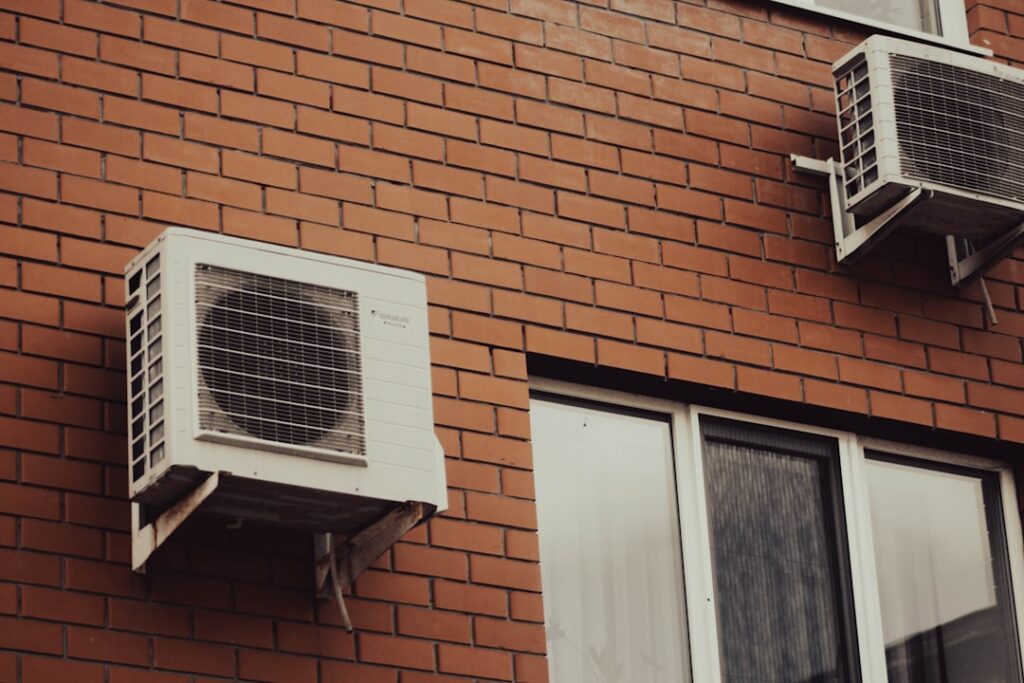
- They draw in outside air via a fan.
- A refrigerant (often R290, a zero-carbon refrigerant) absorbs the air’s latent heat.
- A compressor raises the temperature.
- Heat is transferred to your home’s heating system.
Result? For every 1 kWh of electricity, you get around 3–4 kWh of heat. That’s 300–400% efficiency—far above an oil boiler’s 85–90%.
Understanding Heat Pump Grant Eligibility in the UK
Government Schemes Available
The UK government has several programmes to help homeowners switch from oil heating:
- Boiler Upgrade Scheme (BUS): Offers up to £7,500 towards the cost of a heat pump installation.
- Energy Company Obligation (ECO4): Provides grants for low-income and vulnerable households.
- Rural Community Energy Fund: Local authorities may add top-up funding for off-grid properties.
Each scheme has its own criteria. Generally, you need:
- An existing oil heating system.
- A property with an Energy Performance Certificate (EPC) rating of D or above.
- Consent from your mortgage provider (if applicable).
Checking Your Heat Pump Grant Eligibility
To see if you qualify, gather:
- Proof of site (drainage, property ownership).
- EPC documentation.
- Recent utility bills.
- A quote from a certified installer.
Once you have these, you can apply directly or work with an installer who handles the paperwork. About 80% of applications sail through if your property meets basic requirements.
Check your heat pump grant eligibility through Megawave’s Innovative Eco-Friendly Solutions and get personalised support with your application.
Financial Benefits Beyond Grants
Operational Cost Savings
Oil prices can swing wildly. In 2022, the average kilowatt-hour price for oil was around 6p, while electricity via an efficient ASHP can cost as little as 4p kWh (plus you often get peak-rate savings with night-storage tariffs). Over a season, many households save £500–£800 on heating bills alone.
Flexible Finance Options
Worried about upfront costs even with grants? The Heat Pumps offers flexible finance packages, including:
- Low-interest loans.
- Interest-free credit period.
- Spread the remaining balance over up to 10 years.
This makes the shift to renewable heating budget-friendly.
Environmental and Comfort Advantages
- Stable temperatures: Heat pumps deliver gentle, consistent warmth—no more cold spots.
- Silent operation: Modern ASHPs run at around 45 dB, about the noise of a quiet library.
- Compact footprint: Outdoor units are smaller than traditional oil tanks.
- Dual function: Many units provide summer cooling as well as winter heating.
Investing in an ASHP isn’t just about grants and bills; it’s about year-round comfort with minimal environmental impact.
Choosing the Right Installer and System
Expert Installation and Maintenance
One misstep in installation can cost you efficiency. The Heat Pumps’ expert installation and maintenance services ensure:
- Accurate sizing based on your home’s heat loss.
- Professional commissioning for peak performance.
- Annual servicing to maintain efficiency and extend lifespan.
System Design Considerations
- Insulation first: Draught-proof windows, roof and wall insulation make a huge difference.
- Radiator upgrades: Larger radiators or underfloor heating improve low-temperature output.
- Buffer tanks: Prevent short-cycling and keep operation smooth.
A well-designed system can achieve seasonal efficiencies (SCOP) above 3.5, translating to substantial carbon and cost savings.
Case Study: A Typical UK Home
Mrs Davies in Devon swapped her 20-year-old oil boiler for an ASHP. Here’s her snapshot:
- House: 4-bed semi, EPC C.
- Oil bills: £1,200 per season.
- ASHP grant: £7,500 from BUS.
- Installation cost: £12,000 (after grant £4,500).
- Annual electricity cost: £650.
- Annual saving: £550.
- Payback period: ~8 years (with rising oil prices, payback could be quicker).
That’s over 50 tonnes less CO₂ in 20 years and hundreds saved annually.
Next Steps: Your Greener Future Awaits
Ready to ditch oil for good? Start by assessing your heat pump grant eligibility—it’s simpler than you think. Speak to a specialist who can guide you through every step, from paperwork to flawless installation.
Assess your heat pump grant eligibility today with Megawave’s Eco-Friendly Heating Revolution
With government grants, expert installation, and flexible finance, there’s never been a better time to switch to zero-carbon heating.
Share
Related posts