Unlocking Sustainable Warmth: A Quick Overview
Air source heat pumps are revolutionising home heating across Europe, and the UK is no exception. They use ambient air to provide heating and hot water, slashing carbon footprints and bills. Yet, the upfront cost often scares homeowners off—until you factor in renewable heating funding. That’s where government grants and incentives come in, making the switch not just eco-friendly but also economically sensible.
In this guide, we’ll break down everything you need: from how grants work to eligibility, application steps, and tips to maximise your savings. Plus, we’ll highlight how the Megawave service from The Heat Pumps pairs expert installation with zero-carbon refrigerants for the ultimate green upgrade. Discover renewable heating funding with Megawave: Eco-Friendly Heating Revolution for Innovative Air Source Heat Pump Solutions CTA Text
What Are Air Source Heat Pumps and How Do They Work?
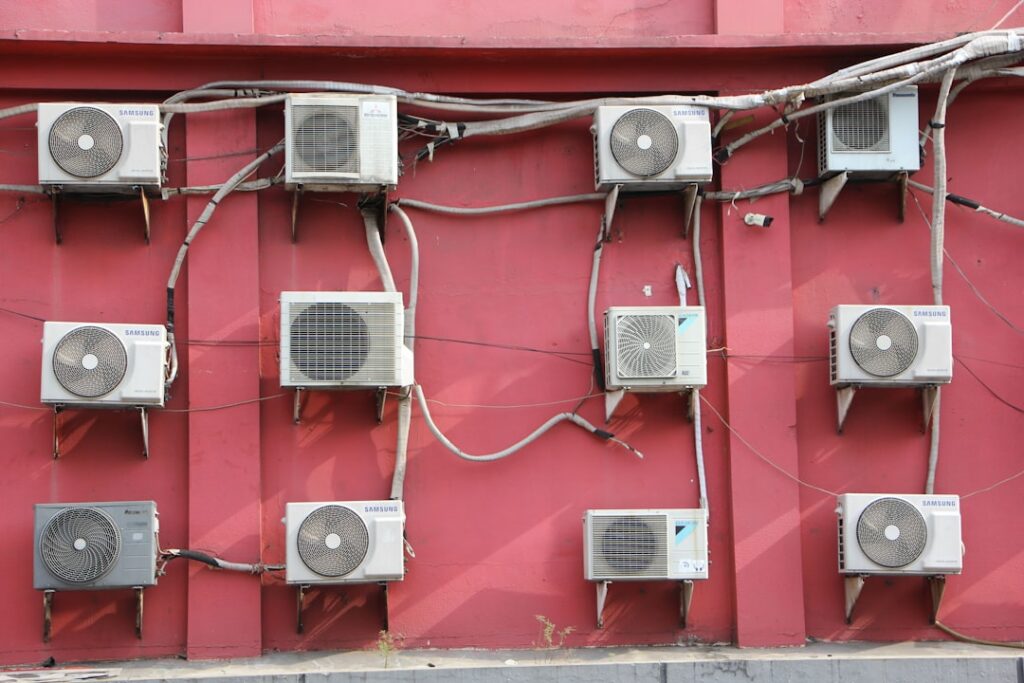
Air source heat pumps (ASHPs) extract heat from outside air—even in chilly weather—and transfer it indoors. Think of them as a fridge in reverse: instead of removing heat, they capture ambient warmth. There are two main types:
- Air-to-water: Heats water for radiators and underfloor systems.
- Air-to-air: Distributes warm air via internal units.
Key benefits:
– High efficiency: 3–4 units of heat for every unit of electricity.
– Year-round use: Heating in winter, cooling in summer.
– Lower carbon emissions: Up to 60% reduction vs. gas boilers.
Yet, installation can cost £7,000–£13,000. Thankfully, renewable heating funding bridges much of that gap.
Why Renewable Heating Funding Matters
Switching to an ASHP without support is a leap of faith—and finances. Grants and incentives do more than reduce bills; they drive wider adoption, which helps suppliers scale up and drive down future costs.
Benefits of renewable heating funding:
– Immediate reduction of installation costs.
– Faster payback times—often within 5–7 years.
– Increased property value with high-efficiency ratings.
– Alignment with UK’s net-zero targets.
With the right grant, you could save up to 50% on installation. That makes a greener home within reach for many more people.
UK Government Grants and Incentives at a Glance
Here’s a snapshot of key schemes for UK homeowners:
| Scheme | Grant Value | Eligible Property Types | Notes |
|---|---|---|---|
| Boiler Upgrade Scheme (BUS) | £5,000 | Domestic properties | Covers heat pumps and biomass boilers |
| Home Energy Scotland Grants | Up to 75% of cost | Owner-occupiers in Scotland | Includes ASHPs, solar, insulation |
| Renewable Heat Incentive (RHI) | Variable, indexed to performance | Domestic & non-domestic | Paid over 7 years as quarterly payments |
| ECO4 | Varies by income | Low-income households | Delivered through energy suppliers |
Most grants require you to use accredited installers and meet energy efficiency standards. If you’re in Scotland or Wales, check local variations.
The Ins and Outs of the Boiler Upgrade Scheme
Launched in 2022, the BUS offers a flat £5,000 grant for installing ASHPs. To qualify:
- Your property must have an Energy Performance Certificate (EPC) of D, E, F, or G.
- Use a Microgeneration Certification Scheme (MCS) installer.
- Apply before work begins.
Once approved, you have three months to accept the offer and six months to complete installation. Keep records of your MCS certificate and invoices.
How to Qualify and Apply for Grants
Getting your slice of renewable heating funding is a step-by-step process:
- Check Eligibility
Confirm your EPC rating, property type, and local scheme availability. For BUS, head to the Ofgem portal. - Find an Accredited Installer
Always choose MCS-certified installers. They know grant rules and handle paperwork. - Technical Assessment
Some schemes need a heat loss technical survey. It’s a small cost (approx. £200) but essential for efficiency. - Submit Application
Online is fastest. Upload EPC, installer details, and any self-declaration forms. - Accept Offer and Install
You’ll normally have 30 days to accept the grant. Book your installation promptly. - Post-Installation Certification
Get an updated EPC or performance certificate. Many grants need this to release funds.
A smooth application can trim months off the process. Plan ahead and communicate frequently with your installer.
Maximising Savings: Tips & Tricks
Don’t stop at grants. Consider these extras:
– Insulation First: A well-insulated home lowers heat pump workload. Tops up savings.
– Smart Controls: Zoned heating panels can reduce wasted energy.
– Hybrid Systems: Pair your ASHP with an existing boiler. It cuts costs and smooths the transition.
– Flexible Finance: Some suppliers, like the Megawave team, offer spread payments to ease the upfront burden.
Curious about a tailored solution? Get expert advice and finance options from Megawave’s team.
Find out how to access renewable heating funding and flexible finance
Comparing Alternative Options
You might be weighing ASHPs against ground source or biomass. Here’s a quick reality check:
- Ground Source: High efficiency but excavation adds 30–50% cost.
- Biomass: Great for off-grid but requires regular fuel deliveries.
- Electric Radiators: Cheap install but high running costs.
Air source hits the sweet spot: moderate install costs, strong efficiency, and broad eligibility for renewable heating funding. Plus, it cools in summer—a bonus.
Real-World Example: Sarah’s Retrofit
Sarah, a homeowner in Kent, had an EPC D and rising energy bills. She:
– Secured a BUS grant (£5,000).
– Added cavity wall insulation.
– Installed a 9 kW ASHP with zero-carbon refrigerant R290.
Result?
– 55% cut in heating costs.
– EPC improved to B.
– Payback in under 6 years.
Stories like Sarah’s are becoming common as renewable heating funding schemes gain momentum.
Installation and Maintenance: What to Expect
A professional install typically spans 2–3 days:
– Day 1: Site survey and pipe routing.
– Day 2: Mounting outdoor and indoor units; electrical wiring.
– Day 3: Commissioning, testing, and user training.
Ongoing maintenance is minimal—annual checks on refrigerant levels and controls. Many installers, including Megawave, offer affordable service plans.
Future-Proofing Your Home
As the UK tightens building regulations, high-efficiency heating will become standard. Early adopters not only enjoy lower bills but boost their home’s market appeal.
Key steps to future-proof:
– Monitor performance with smart thermostats.
– Top up insulation if needed.
– Join local energy forums to stay ahead on incentives.
The net-zero push means more renewable heating funding is likely. The time to act is now.
Final Thoughts
Air source heat pumps are a cornerstone of decarbonising home heating. With current grants and incentives, switching has never been more affordable. Combine this with expert installation—like that offered by Megawave, featuring zero-carbon refrigerants and flexible finance—and you’re set for warm, green winters.
Ready to take the plunge? Megawave: Eco-Friendly Heating Revolution for Innovative Air Source Heat Pump Solutions
Share
Related posts