Introduction: Your Path to a Cosy, Low-Carbon Home
Thinking about switching off your old gas boiler? You’re in the right place. This 2025 UK heat pump installation guide lays out everything you need to know—no jargon, no fluff. We’ll walk you through selecting the right heat pump, tapping into government grants, and even why zero-carbon refrigerants matter. By the end, you’ll see why more Brits are choosing renewable heating over fossil fuels.
Ready to upgrade? Dive in for real-world tips on achieving energy efficient home heating UK without breaking the bank. Experience energy efficient home heating UK with Megawave’s eco-friendly heat pump solutions
Why Heat Pumps Are the Future of Home Heating in the UK
Heat pumps are climbing fast in popularity. In 2023, the UK heat pump market hit an estimated £1.2 billion, with an expected 11.5% annual growth until 2030. Policy changes, decarbonisation targets, and rising energy bills all point to one truth: traditional boilers won’t cut it much longer.
Here’s why heat pumps win:
- They extract warmth from air or ground, even when it’s chilly outside.
- They double as coolers in summer—goodbye clunky air conditioners.
- They slurp far less electricity than standard electric heaters.
- They align with building regs pushing for higher insulation and lower carbon.
Plus, modern systems sync with smart thermostats. Imagine adjusting your living room temperature from an app, or programming milder night-time curves to shave off pence from your bill.
Pre-Installation Considerations
Install a heat pump, and you’re not just swapping hardware—you’re upgrading how your home uses energy. Let’s run through the key checks before installers turn up.
Assess Your Home’s Heat Demand
A quick glance at floor plans isn’t enough. Your installer will:
- Perform a heat-loss calculation (Manual-J style)
- Check insulation levels: wall, roof, and floor
- Note the number and orientation of windows
- Factor in occupancy and ventilation
This ensures you don’t end up with an overpowered unit that cycles on and off—or an underpowered one that struggles on the coldest days.
Choose Between Air Source and Ground Source
Both pull environmental heat, but their installs differ:
Air Source Heat Pumps
– Easier, quicker install.
– Lower upfront cost.
– Requires a clear external wall and good airflow.
Ground Source Heat Pumps
– Buried loops or boreholes under lawn or garden.
– More efficient in freezing weather.
– Higher installation cost and longer timeline.
Most UK homes opt for air source. It hits the sweet spot of performance, price, and planning permission.
Location, Location, Location
Installers need space:
- Outdoor units need at least 30 cm clearance on each side.
- Inside, the air handler usually lives in loft or utility rooms.
- Noise levels: modern heat pumps hum gently, but avoid bedrooms.
Compliance and Permissions
You’ll need to:
- Meet building regs (Part L for conservation).
- Use an MCS-certified installer.
- Apply for the Boiler Upgrade Scheme grant before purchase.
Step-by-Step Installation Guide
Let’s break down the nuts and bolts—minus the jargon.
-
Site Survey
Installer inspects your property, measures room sizes, checks loft access, and reviews existing radiators or underfloor circuits. -
Indoor Unit Placement
– Ducted: connect to your existing ductwork.
– Ductless: mount wall-hung units in key rooms. -
Drilling Access Holes
A neat 50 mm hole links your indoor and outdoor units. Refrigerant, condensate and cables run through it. -
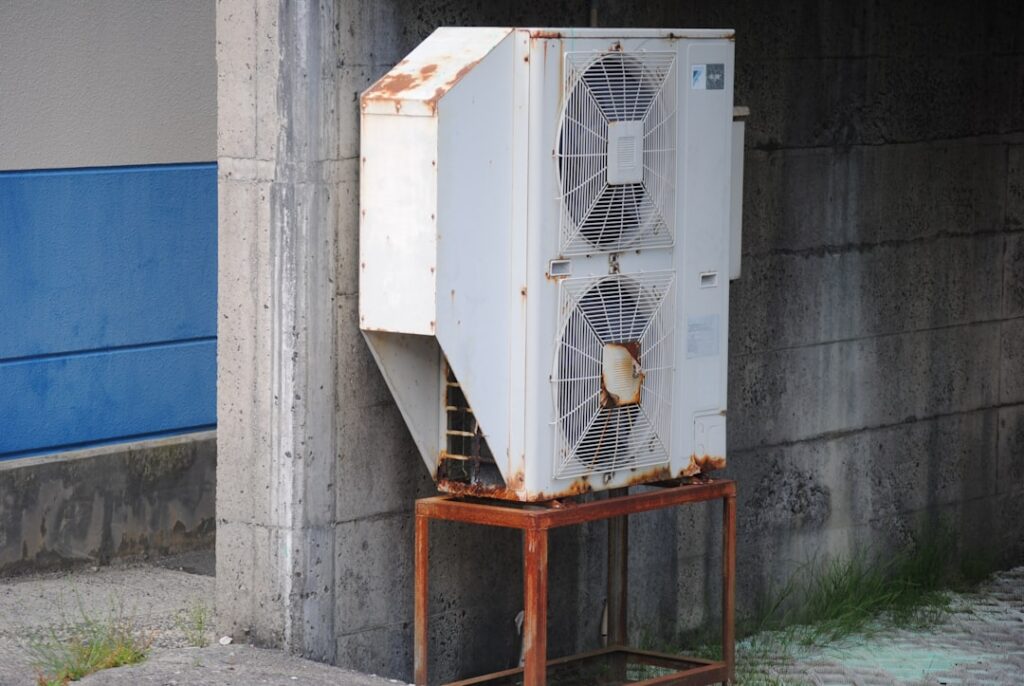
Outdoor Unit Installation
– Mounted on Anti-vibration feet or a concrete pad.
– Positioned to catch airflow, avoid falling leaves or snow drifts. -
Hydraulic and Electrical Connections
Certified engineer braises refrigerant pipes, fits insulation, connects condensate drain and hooks up wiring. -
Commissioning and Testing
– Pressure test refrigerant circuit.
– Evacuate and refill with R290 (zero-carbon refrigerant).
– Calibrate controls and test heating/cooling modes. -
User Demo
You get a walkthrough of controls, recommended temperature curves, and maintenance tips.
Each step demands precision. That’s why you need a certified installer—no DIY hacks here.
Zero-Carbon Refrigerants and Sustainability
Traditional refrigerants can leak greenhouse gases. Enter R290, a hydrocarbon refrigerant with zero carbon footprint. Here’s why it matters:
- Lower Global Warming Potential than R410A or R32.
- Slightly better heat transfer efficiency.
- Fully compliant with F-Gas regulations.
When you choose a system with R290, you’re not just reducing bills—you’re cutting carbon. And that aligns with the UK’s Net Zero roadmap.
Government Grants and Flexible Finance
Worried about upfront costs? There’s help:
- Boiler Upgrade Scheme: up to £7,500 off most air source heat pumps.
- Local Authority Grants: varies by council—some offer extra insulation packages.
- VAT reductions: MCS-certified installations often attract lower VAT rates.
Beyond grants, Megawave offers flexible finance plans. Spread the cost over months, with clear, fixed repayments. No hidden fees.
Discover energy efficient home heating UK through Megawave’s innovative heat pumps
Maintenance Tips for Long-Term Efficiency
A heat pump isn’t a “fit-and-forget” gadget. Keep it purring:
- Clean or replace filters every 3–6 months.
- Trim vegetation around the outdoor unit.
- Annual service by an MCS-certified engineer.
- Check pressure gauges and refrigerant levels.
- Monitor your bills—any spike could signal an issue.
Simple checks can extend lifespan well beyond 15 years. That’s a solid return on investment.
Why Choose Megawave for Your Heat Pump Installation
At Megawave, we’re not just installers—we’re your partners in a greener future. Here’s our promise:
- Expert Installation & Maintenance: MCS-certified teams handle every detail, from design to handover.
- Zero-Carbon Refrigerants: We use R290 across our air source heat pump range.
- Government Grant Assistance: We guide you through the Boiler Upgrade Scheme application.
- Flexible Finance: Affordable monthly plans to suit your budget.
Our flagship service—tailored system design—ensures you get the perfect fit. No upsized equipment. No wasted energy.
Conclusion: Take the Leap to Energy-Efficient Home Heating UK
Ready to swap your outdated boiler for a renewable solution? Heat pumps offer comfort, cost savings, and a greener footprint. With government grants, zero-carbon refrigerants, and expert help from Megawave, there’s never been a better time.
Start your journey to energy efficient home heating UK with Megawave today
Share
Related posts