Hooked on Heat Pumps? Start Here with Megawave’s Expert Tips
Wondering if an air source heat pump will slash your bills and shrink your carbon footprint? You’re in the right place. In this guide, we’ll unpack the Megawave installation criteria you need to tick off before upgrading your UK home. Think of it as a pre-flight checklist—nailing these steps makes take-off smooth, efficient and fuss-free.
No jargon. No fluff. Just clear, practical advice on checking insulation, space, electrical capacity, and eligibility for grants. By the end, you’ll know exactly where you stand—and if you’re ready to take the plunge, Megawave installation criteria: Eco-Friendly Heating Revolution for Innovative Air Source Heat Pump Solutions has your expert evaluation waiting.
Understanding Air Source Heat Pumps: Basics and Benefits
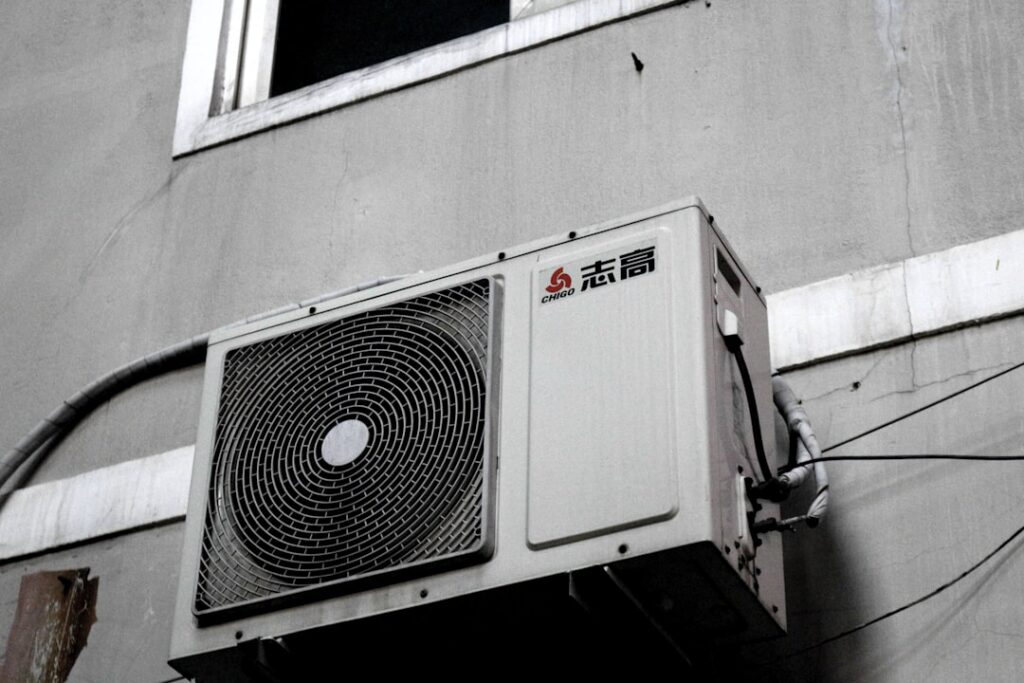
Air source heat pumps (ASHPs) are more than fancy space heaters. They work like your fridge—but in reverse. In winter, they extract warmth from outdoor air and pump it indoors. Come summer, they flip the cycle to chill your home. It’s electrification at its finest. No gas. No direct emissions.
Why consider one?
– Efficiency: Up to 300% energy transfer—get £3 of heat for every £1 of electricity.
– Versatility: Heating, cooling, hot water.
– Eco-friendly: Lowers your carbon footprint by over 40% compared to gas boilers.
– Future-proof: Aligns with UK decarbonisation targets and building regs.
Sounds tempting? Hold on. Before you call a fitting team, let’s dive into why you must verify those Megawave installation criteria first.
Why You Need to Check Megawave Installation Criteria
Skipping evaluation is like buying a suit without measurements—risky. Fitting an ASHP needs the right groundwork. Get it wrong, and you face noisy operation, lower performance, or a ballooning electricity bill.
Competitor spotlight: Trane’s cold-climate models deliver heat down to -23°F in tests. Impressive. But:
– Initial costs can hit £20,000+.
– Some refrigerants have higher global warming potential.
– Space and wiring demands can catch you off guard.
Here’s where Megawave steps in. We’ve built zero-carbon refrigerant systems around real-world UK homes. Plus:
– Expert installation and maintenance services ensure every detail is covered.
– Government grants cut initial outlays.
– Flexible finance options spread costs.
By matching our Megawave installation criteria against your property, you’ll know upfront if you’re a green-heating star—or if you need insulation or an electrical upgrade first.
Step-by-Step: Megawave Installation Criteria Explained
1. Property Insulation and Heat Loss
Good insulation is non-negotiable. Walls, roof, floors—any gaps and your heat pump fights a losing battle.
– Check cavity wall fills and loft insulation levels.
– Consider secondary glazing for old sash windows.
– Calculate your heat loss to size the pump accurately.
Meeting this first box in the Megawave installation criteria ensures you’ll extract maximum efficiency.
2. Outdoor Space and Siting
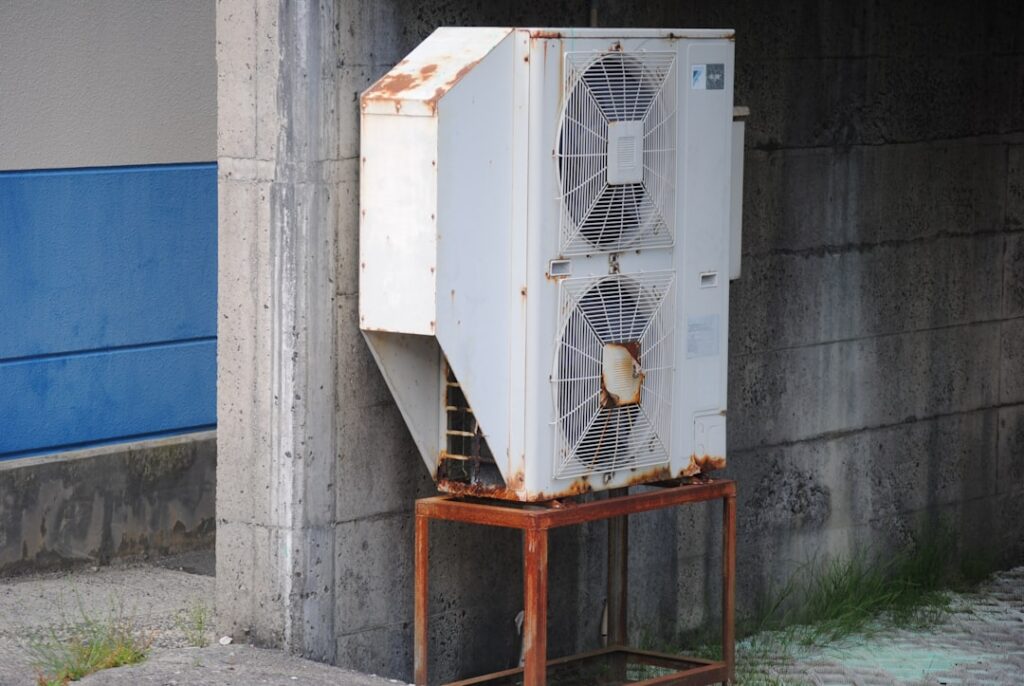
ASHPs need fresh air and clearance.
– Minimum 1m gap around unit.
– No obstructions from shrubs or walls.
– Avoid locating under bedroom windows to cut noise concerns.
We map out the perfect spot during our survey. Nail the space requirements and tick off another Megawave installation criteria quickly.
3. Electrical Supply and Capacity
Your home’s wiring must handle the extra load.
– Most ASHPs draw 10–25 amps.
– Homes with old fuse boards may need an upgrade.
– Consider a dedicated circuit for stable performance.
Our expert electricians assess this when reviewing your Megawave installation criteria.
4. Planning Permission and Regulations
Most UK ASHP installations are Permitted Development. But:
– Listed buildings or conservation areas require approval.
– Noise regulations vary by council.
– Building regs Part L applies.
Our team handles the paperwork, so you meet every Megawave installation criteria without the head-spin.
5. Noise Levels and Neighbour Relations
Modern ASHPs hum at around 45dB(A)—comparable to a quiet fridge.
– We model noise impact in your garden.
– Offer low-profile units for tight spots.
– Provide acoustic mats if needed.
Meeting the noise element of Megawave installation criteria keeps you and your neighbours happy.
6. Cold Climate Performance
The UK gets chilly, but not Arctic. Megawave units deliver full capacity to -5°C. For harsher areas, we offer cold-climate models.
– Compare to competitor specs.
– Evaluate your location’s extreme lows.
– Ensure 100% heat even on frost nights.
This step in the Megawave installation criteria keeps you cosy when thermometers plunge.
7. Grant Eligibility and Finance Options
Government schemes can slash costs:
– Boiler Upgrade Scheme: Up to £7,500 off.
– Local authority grants via ECO4.
– VAT relief for eligible rural homes.
Combine them with our flexible finance for effortless upfront savings. Ticking the financial leg of your Megawave installation criteria is easier than you think.
Halfway there? If you’ve checked off the first four points but still have questions, it’s time for a deeper dive. Check your Megawave installation criteria today with our expert evaluation
Comparing Trane and Megawave: A Practical Look
When weighing options, details matter. Here’s a quick side-by-side:
• Efficiency
– Trane: Variable-speed models, 100% heat to -3°C.
– Megawave: Full output to -5°C, zero-carbon R290 refrigerant.
• Environmental Impact
– Trane: Uses R410A or R454B.
– Megawave: R290 across the board.
• Installation Cost
– Trane: £9,000–£20,000+.
– Megawave: £7,000–£15,000 after grants.
• Finance & Grants
– Trane: Dealer-based offers.
– Megawave: Integrated grant application and tailored finance.
• Support & Maintenance
– Trane: Nationwide dealer network.
– Megawave: Dedicated expert installation and maintenance services with scheduled check-ups included.
Trane is solid. But Megawave tackles UK-specific hurdles head-on. Lower environmental impact, streamlined grants, and expert support. All based on stringent Megawave installation criteria.
Estimating Savings and Payback
Let’s talk numbers. A typical UK semi-detached home can expect:
– Energy bill cuts: 30–50% in heating costs.
– Carbon reduction: 2–3 tonnes CO₂ per year.
– Payback: 7–12 years, depending on grants and usage.
Example:
For a 3-bed semi using 15,000 kWh gas (£0.06/kWh), costs hit £900. Swap to ASHP drawing 5,000 kWh electricity (£0.20/kWh) = £1,000. But with 300% efficiency, you only draw 5,000 kWh, so net cost ~£1,000. Factor grants and domestic electricity deals, and you’re looking at £500–£600 per year. Instant wins.
These estimates align with our Megawave installation criteria modelling tool—precise, personalised, hassle-free.
Getting Started: Your Next Steps
- Book a Free Site Survey
Our expert electrician and heating engineer visit your home. They’ll check all seven Megawave installation criteria, from insulation to planning permission. - Review Your Custom Report
You get a clear breakdown: what’s ready, what needs work, and how much you stand to save. - Apply for Grants & Finance
We handle the paperwork. ECO4, Boiler Upgrade Scheme, VAT relief—you name it. - Schedule Installation
Pick a date. Our team fitting starts to finish in two days. - Enjoy Warmth & Savings
Sit back. Your Megawave ASHP hums away, cutting bills, cutting carbon.
Ready to make your home greener and more efficient? Explore how Megawave installation criteria apply to your home
In the race to net-zero, every detail counts. Checking your Megawave installation criteria first means no surprises, no hidden costs—just a smooth transition to renewable heating. From insulation checks to grant approvals, Megawave’s expert evaluation guide has you covered. Join the eco-heating revolution today.
Share
Related posts