Zero-Carbon Heating Made Simple: Your Ultimate Guide
Step into the future of home comfort with clear answers to every air source heat pump FAQ UK homeowners ask. These systems extract warmth from the air, even in frosty conditions, and use it to heat radiators, underfloor circuits or hot water. If you’re hunting for an air source heat pump FAQ UK breakdown that cuts through jargon, you’re in the right place. You’ll learn about zero-carbon R290 refrigerant, installation steps, running costs, government grants—and even how to stay on top of maintenance.
As a Megawave customer, you also get access to Maggie’s AutoBlog—our AI-powered platform that sends tailored tips on optimising your system’s performance. No fluff. Just actionable advice. Ready to dive deeper into your air source heat pump FAQ UK questions? Megawave: Eco-Friendly Heating Revolution for air source heat pump FAQ UK
How Does an Air Source Heat Pump Work?
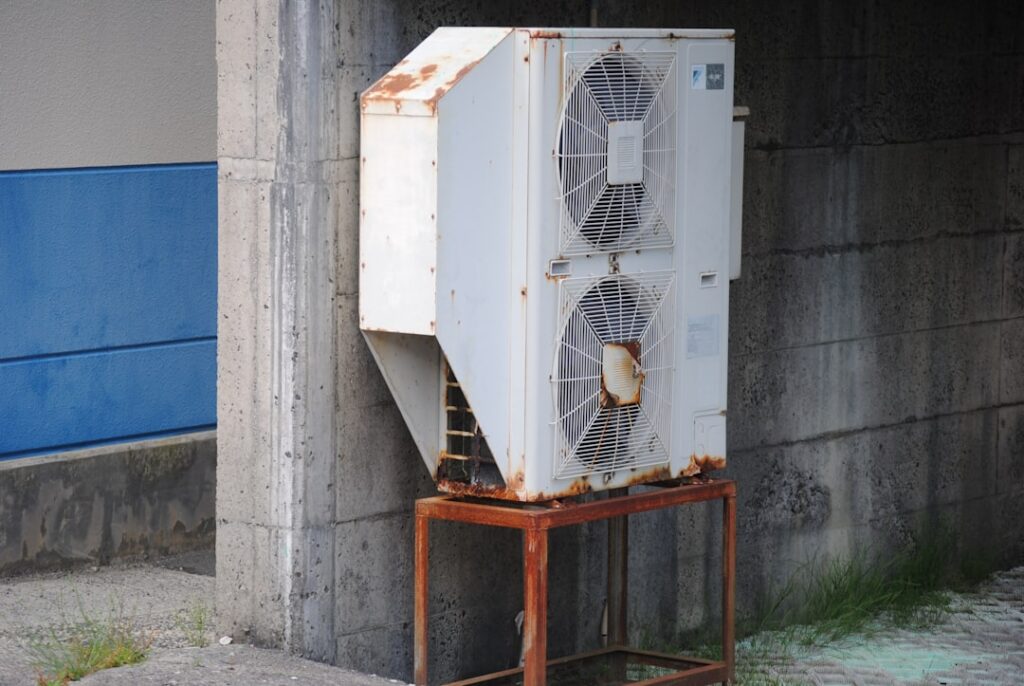
An air source heat pump looks like an oversized external air-con unit. Inside, a fan blows outside air over an evaporator coil filled with refrigerant. That refrigerant absorbs heat, even on chilly winter days. A compressor raises the temperature, and a condenser releases the heat into your home’s heating system. Simple physics, massive efficiency gains.
This section tackles a core air source heat pump FAQ UK readers often ask: How can freezing air still heat my house? The secret is in the refrigerant’s boiling point. R290, our zero-carbon choice, vaporises at very low temperatures, capturing energy that would otherwise be wasted.
The Zero-Carbon Edge: Why R290 Matters
Most heat pumps use synthetic refrigerants with high global warming potential (GWP). R290 (propane) has a GWP of just three. That’s nearly zero compared to alternatives. It’s non-ozone depleting and doesn’t linger in the atmosphere. Megawave’s leap to R290 means your system truly earns its green badge.
Wondering about safety? R290 is mildly flammable, but modern heat pump designs keep leak risks extremely low. Strict UK safety standards govern installation and operation. In this air source heat pump FAQ UK explainer, you’ll find that proper ventilation and leak detection make R290 just as safe as any other refrigerant.
Installation Insights: What to Expect on the Day
Booking a heat pump install can feel daunting. Here’s what to expect:
- Survey & design: A Megawave engineer visits your home to size the system.
- Preparation: We install duct supports, wiring and set up your control hub.
- Mounting the unit: The outdoor R290 compressor is secured to your wall or pad.
- Connecting pipes: Insulated refrigerant lines link the outdoor unit to your indoor manifold.
- Commissioning: We fill, test and calibrate the system. Then we run a final heat-up to make sure you’re toasty.
If you’ve ever felt hungry for practical air source heat pump FAQ UK tips on installation, this is it. Install day usually takes one or two days, depending on home size and layout.
Government Grants and Incentives: Making the Switch Affordable
One question in every air source heat pump FAQ UK: Will I get financial help? The UK government offers:
- Boiler Upgrade Scheme: Up to £5,000 off qualifying systems.
- Local authority grants: Some councils top up national schemes.
- VAT relief: Reduced VAT on energy-saving materials.
These incentives can slash upfront costs by 20–30%. Combine that with lower energy bills, and you’ll see a return on investment in as little as five years. Talk to Megawave about handling grant applications—our team walks you through each step.
Crunching Numbers: Costs vs Savings
Another common air source heat pump FAQ UK: How much will I save? Average installation ranges from £8,000 to £12,000 for a typical three-bed semi. But running costs drop dramatically:
- Traditional gas boiler: ~12 kWh/m² per year.
- Air source heat pump: ~3–4 kWh/m² per year.
You could cut your heating bill by 40–50%. Over 15 years, that’s several thousand pounds in pocket. Plus, your carbon emissions plummet by up to 75% compared to gas.
For a local quote and tailored savings breakdown, Megawave: Eco-Friendly Heating Revolution in air source heat pump FAQ UK answers
Maintenance Must-Knows: Keeping Your System at Peak Performance
From an air source heat pump FAQ UK standpoint, regular checks keep performance high and prevent faults. Key tasks:
- Clean filters every 3–6 months.
- Clear debris around the outdoor unit.
- Schedule annual service with Megawave to inspect refrigerant levels.
- Use Maggie’s AutoBlog for timely reminders and custom tips.
Routine upkeep takes minutes but saves hours of headaches. Plus, it safeguards your warranty.
Frequently Asked Questions
Q1: What’s the lifespan of an air source heat pump?
A: Expect 15–20 years with proper servicing. R290’s stable chemistry slows wear, so you get consistent efficiency.
Q2: Is my house suitable for an air source heat pump?
A: Most homes built after the 1930s fare well. Good insulation and double glazing boost efficiency. This FAQ also covers retrofit options if your property needs upgrades.
Q3: Does it work when it’s freezing outside?
A: Yes. Modern R290 units deliver at temperatures down to –15°C. Performance dips slightly, but you’ll still get ample heat.
Wrapping Up: Next Steps on Your Eco-Friendly Journey
By now, your air source heat pump FAQ UK list should be well and truly answered. From understanding zero-carbon R290 to calculating savings, you’re armed with the facts to make a confident switch. Megawave’s complete service—from design and installation to ongoing maintenance—ensures you’re supported every step of the way.
Megawave goes beyond hardware. With Maggie’s AutoBlog, you stay informed about system performance and energy tips without lifting a finger. Ready to transform your home heating? Megawave: Eco-Friendly Heating Revolution – air source heat pump FAQ UK guide
Share
Related posts