Staying Warm When Temperatures Dive: Air Source Heat Pump Performance in Cold Regions
Winter in the UK can be brutal. Nights get long. Thermometers dodge single digits. That’s when air source heat pump performance truly gets tested. You’ve invested in a renewable heating system, but does it keep your home cosy when frost bites? This guide unpacks everything you need to know to maintain peak efficiency—even on the coldest mornings.
We’ll cover the tech under the hood, installation tips, maintenance hacks, plus the magic of zero-carbon refrigerant R290. By the end, you’ll have actionable steps to fine-tune your system. Ready to transform chilly days into snug comfort? As you explore ways to boost your air source heat pump performance, consider working with Megawave’s expert team—leveraging zero-carbon R290 solutions and government grants for a seamless upgrade. Megawave: Eco-Friendly Heating Revolution for Innovative Air Source Heat Pump Performance
Key Factors Affecting Performance in Cold Temperatures
Understanding what influences air source heat pump performance is the first step. Think of your heat pump like a high-performance athlete. It shines when conditions are right. Push it too far, and efficiency dips.
- Outdoor temperature: As it falls, extracting heat becomes tougher. Modern cold-climate models can work down to -22°C, but efficiency drops below -10°C.
- Refrigerant choice: R290 (propane) boasts a high latent heat. In simple terms, it transfers more warmth per cycle.
- Compressor design: Two-stage or inverter compressors adjust speed. They use just the right amount of energy to maintain temperature.
- Flow temperature: Too high, and the system works overtime. Too low, and rooms never reach comfort.
By focusing on these factors, you can nudge performance up by 10–20% in real-world conditions.
Choosing the Right R290 Air Source Heat Pump
Zero-carbon refrigerants aren’t just buzzwords. R290 has minimal global warming potential. It’s efficient. It’s green. Here’s why Megawave champions R290 units:
- Higher efficiency at low temps
– R290’s thermodynamic properties maintain output when mercury plummets. - Reduced environmental impact
– Near-zero greenhouse gas effect if leaked. - Compatibility with smart controls
– Integrates seamlessly with modern thermostats.
Megawave provides tailored system designs, ensuring your new pump matches your home’s size and insulation. Plus, they handle government grants to cut your initial outlay.
Best Practices for Installation and Setup
A brilliant heat pump can be let down by poor installation. Avoid common pitfalls:
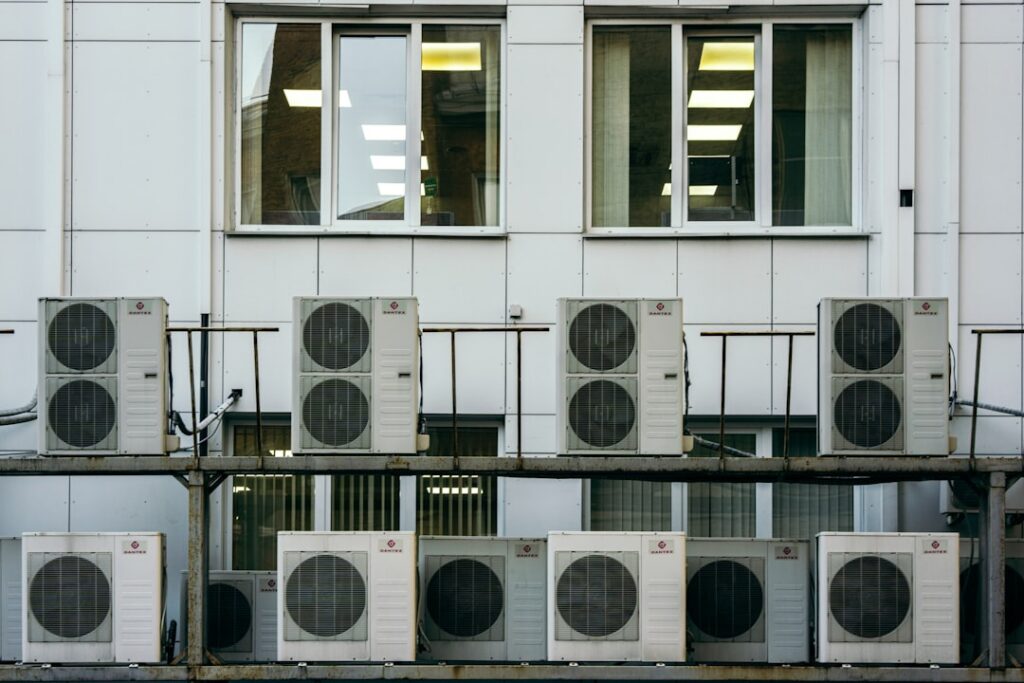
- Site your outdoor unit away from debris and obstructions.
- Ensure a level, vibration-damping base.
- Optimise pipe insulation—cold lines can freeze and throttle flow.
- Pair with a well-sealed, insulated home to reduce load.
Pre-installation assessments by Megawave identify weak spots. They’ll suggest loft insulation upgrades or draught-proofing. It’s like tuning a race car before the big race.
Maximising Efficiency Through Regular Maintenance
Even the most advanced heat pump needs TLC. Simple checks can restore lost performance:
- Clean or replace air filters every 3–6 months.
- Clear debris around the outdoor unit.
- Schedule annual refrigerant level checks and compressor inspections.
- Lubricate moving parts where applicable.
A small drip or blockage can shave 5% off efficiency. Over a year, that’s hundreds on your energy bill. Stay ahead with a maintenance plan from Megawave’s service team.
At this point, you’re halfway through the journey to peak air source heat pump performance. For tailored advice and reliable installation, why not see how Megawave can help you save energy and cut emissions? Discover top air source heat pump performance solutions at Megawave
Smart Controls and Monitoring for Peak Performance
Control is king. Manual adjustments are so last decade. Here’s how smart tech steps up your air source heat pump performance:
- Adaptive thermostats: Learn your schedule, tweak flow temperature.
- Remote monitoring: Check output, energy use, and alerts via phone.
- Automated defrost cycles: Clear frost build-up without human intervention.
- Zone control: Heat only where you need it.
With real-time data, you can spot inefficiencies fast. And when paired with R290 technology, you’re squeezing every drop of warmth out of the cold air.
Building Preparation and Complementary Measures
A heat pump is only as good as the building it warms. Simple home upgrades can boost overall system efficiency by 15%.
- Insulation: Loft, cavity wall, and floor insulation trap heat.
- Draught-proofing: Seal gaps around windows and doors.
- Radiator upgrades: Low-surface-temperature radiators work better at lower flow temps.
- Dual-fuel setups: Pair with a gas furnace for peak cold snaps.
Think of it like wearing a winter coat. No matter how effective your heat pump is, if your home leaks warmth, you’ll never hit maximum air source heat pump performance.
Financial Incentives and Cost Savings
Installing an R290 air source heat pump is an investment. But the UK government and local authorities sweeten the deal:
- Government grants: Reduce capital costs by up to 30%.
- Flexible finance: Spread payments over months with low interest.
- Energy savings: Typical households save 40–60% on heating bills.
- Carbon credits: Qualify for eco-friendly rebate schemes.
Over a 15-year lifespan, you’ll recoup installation costs and then some—while cutting your carbon footprint.
Conclusion: Embrace Efficient Warmth All Year Round
Optimising air source heat pump performance in the UK’s colder regions isn’t magic. It’s a mix of the right technology, professional installation, proactive maintenance, and smart controls. Choose R290 solutions for environmental impact and robust output when you need it most. Pair it with Megawave’s expert services and financing options to make green heating truly accessible.
Stay cosy. Stay efficient. And let the chill stay outside where it belongs.
Get personalised advice on air source heat pump performance from Megawave
Share
Related posts