Introduction: A Clear Path to Low-Carbon Heating
We’re on a mission. To cut carbon from our homes. The UK net zero building policy sets the bar. It demands buildings to be ultra-efficient. It forces heating systems to ditch fossil fuels. Sound daunting? It doesn’t have to be. Heat pumps are a prime tool. They use electricity to move heat. They can achieve a coefficient of performance (COP) of 3 or more. That means for every 1kWh you use, they deliver 3kWh of heat. That’s neat. It plays nicely with the net zero building policy. In this guide, we’ll unpack the policy. We’ll show you how to harness heat pumps. We’ll point to grants. And we’ll highlight how Megawave’s R290 air source heat pumps deliver on promises.
Understanding Net Zero Building Policy in the UK
The phrase net zero building policy pops up in nearly every government document. But what does it mean for you?
- A net zero building policy requires new builds and major refurbishments to balance energy use with on-site or off-site renewable generation.
- It pushes designers to think electric, not gas.
- It stakes out strict targets for carbon emissions across a building’s lifecycle.
In practice, that translates to:
- Tight insulation – air leaks? Gone.
- Smart controls – heating only when you need it.
- Renewable heat – heat pumps, biomass boilers or district systems.
By centring on this net zero building policy, the UK aims to cut heating emissions from nearly 20% of total CO₂ down to nearly zero.
Why Heat Matters
Heating accounts for roughly one-fifth of the UK’s carbon footprint. That’s huge. A net zero building policy won’t work if you stick with natural gas boilers. Electricity from the grid is getting greener every year. So the more heat you get from a heat pump, the lower your overall emissions. Simple.
The Role of Heat Pumps Under Net Zero Building Policy
Heat pumps are front and centre under any serious net zero building policy. They’re versatile. They can heat your radiators, underfloor circuits or hot water tank. They can even cool in summer.
How Heat Pumps Work
In short:
- Refrigerant in an evaporator pulls in heat from air or ground.
- A compressor ramps up the temperature.
- The refrigerant dumps heat into your heating circuit via a condenser.
- It cycles again.
When that refrigerant is R290 (a zero-carbon refrigerant), the environmental wins grow.
Efficiency and COP
- COP measures instant efficiency. A COP of 3 means 300% efficiency.
- sCOP (seasonal COP) averages performance across winter swings.
- Air source heat pumps (ASHP) often hit sCOPs of 2.5–3. Ground source heat pumps (GSHP) can touch 4.
For a net zero building policy, every 1kWh of power yielding 3kWh of heat is a big tick.
ASHP vs GSHP
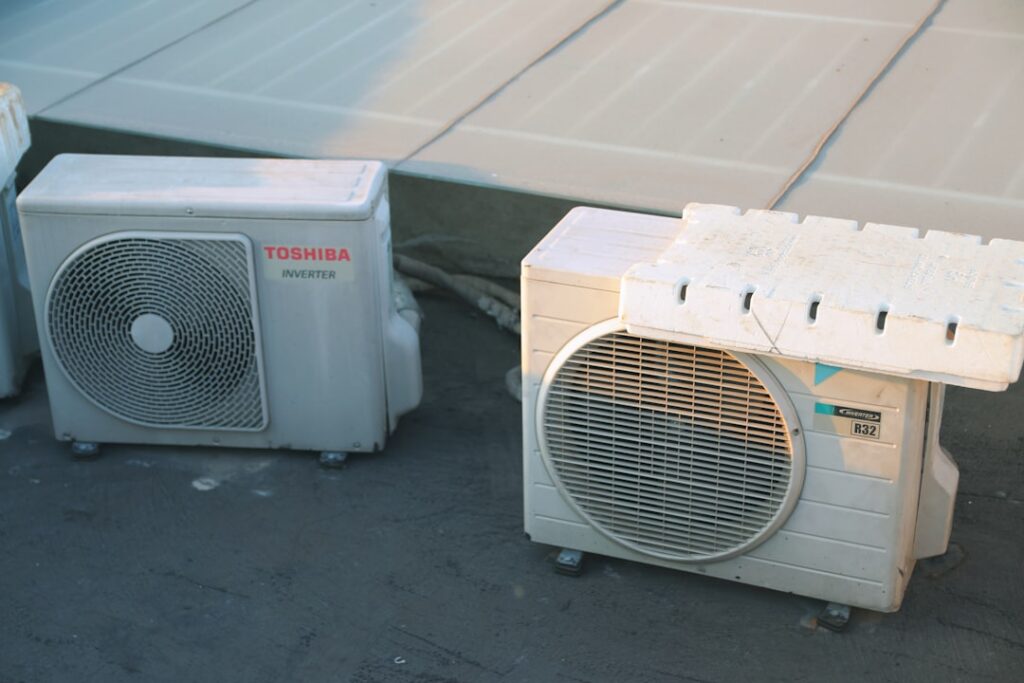
Air source heat pumps (ASHP) are usually cheaper to install. You get a unit outside your wall.
Ground source heat pumps (GSHP) need trenches or boreholes. They cost more upfront. But they often run more efficiently.
Choosing between them is a dance between capital cost, running cost and site constraints. Both pulse through the heart of net zero building policy goals: ditching gas, harnessing renewables.
Government Incentives: Grants and Rebates for Heat Pump Installations
One chunk of the net zero building policy drive is cash incentives. The UK Government wants you to switch. So they back it with:
- Domestic Renewable Heat Incentive (RHI) – pays up to 10.85p/kWh for ASHP and 21.16p/kWh for GSHP over seven years.
- Boiler Upgrade Scheme – vouchers of up to £5,000 to replace gas boilers with heat pumps.
- Local Authority Grants – some councils run their own schemes. Check your area.
These incentives slash the pay-back time. They make a net zero building policy jump from theory to reality.
Overcoming Barriers: Cost, Feasibility and Design
The big hang-ups? Price and practicality. A good net zero building policy will flag these issues:
- Initial Investment – ASHP units start around £7,000–£10,000. GSHP can top £15,000.
- Heat Loss – leaky walls and roofs waste energy. Upfront fabric upgrades help right-size your pump.
- Running Costs – ASHP can cost slightly more to run than a gas boiler today. GSHP often break even or save more.
A savvy design that follows net zero building policy steps can shrink your system size (and cost) by cutting heat demand first. It’s a two-pronged attack: tighten the building, then heat with renewables.
Why Choose Megawave Air Source Heat Pumps
Megawave’s air source heat pumps align perfectly with net zero building policy demands. Here’s why:
- We use R290 zero-carbon refrigerant for minimal global warming potential.
- Our expert installation team ensures optimal placement and performance.
- Flexible finance options make it easier to spread payments.
- We help you claim government grants, trimming thousands from your bill.
Imagine a system that ticks all the net zero building policy boxes. Installed in a day. Backed by service and maintenance. That’s Megawave.
Steps to Navigate Net Zero Building Policy with Heat Pumps
Ready to dive in? Here’s a simple roadmap:
- Audit your building – airtightness, insulation, heat losses.
- Model heat demand – size the heat pump to match your needs.
- Choose your pump – ASHP or GSHP based on cost, space, efficiency.
- Apply for grants – RHI, Boiler Upgrade Scheme, council offers.
- Book installation – let Megawave’s experts handle the details.
- Maintain and monitor – keep sCOP high, running costs low.
Follow these steps and you’ll glide through a net zero building policy checklist. You’ll cut carbon, save cash and enjoy cosy warmth.
Conclusion: Embrace Sustainable Heating Today
A strong net zero building policy transforms vague targets into tangible actions. Heat pumps fit that picture. They deliver top-tier efficiency, pair with green electricity and qualify for grants. And with Megawave’s R290 air source heat pump, you get all the benefits:
- Lower emissions
- Government support
- Flexible payments
- Expert backing
Time to ditch the old boiler. Step into the future of heating.
Share
Related posts