Why Retrofit Heating Subsidies Matter in the UK
Decarbonisation by 2050? No small feat. Traditional boilers still roar in millions of UK homes. They guzzle energy. They spew carbon. We need a smarter route. Enter retrofit heating subsidies. These grants topple the upfront cost barrier. They hand homeowners a direct incentive to swap gas boilers for efficient heat pumps. Simple.
Consider the numbers:
- Residential heating accounts for roughly 17% of UK energy use.
- Replacing fossil-fuel boilers with heat pumps can shrink heating emissions by up to 80%.
- The EU study by Vivier et al. suggests €13 billion in annual heat pump subsidies is vital across Europe. Scaled to the UK, that’s roughly £2 billion per year.
But what about social equity? Targeted heating grants can lift the burden off low-income families who dread hefty energy bills. Plus, home renovations – insulation, double glazing, draught-proofing – amplify savings. Every metre of loft insulation keeps more warmth in, reducing the heat pump’s workload. Together, grants for retrofitting and heat pumps form a potent one-two punch.
Why does UK policy need a fresh look? Current schemes like the Boiler Upgrade Scheme (BUS) offer up to £5,000 towards an air source heat pump. Yet coverage is patchy. Waiting lists stretch long. We need a nationwide, coherent push for retrofit heating subsidies that’s fair and fearless.
How Heat Pump Grants Drive Decarbonisation
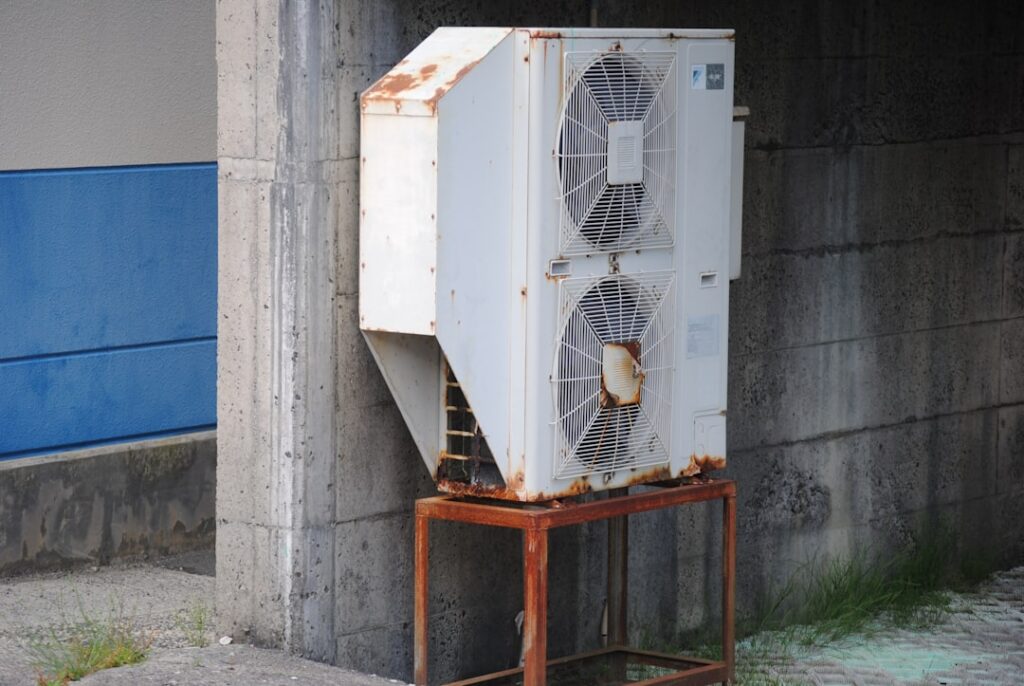
Heat pumps aren’t magic boxes, but they feel close. They siphon warmth from air or ground, delivering up to four times the energy output per kilowatt of electricity drawn. In plain speak: for every £1 you spend on electricity, you get up to £4 worth of heat. Now multiply that across millions of homes.
Grant programmes boost adoption by:
- Reducing upfront costs by 30–50%.
- Speeding payback periods from 10 years to as few as 4.
- Encouraging installers to ramp up skills and capacity.
- Stimulating local supply chains and green jobs.
The Nature Climate Change study models show that pairing heat pump subsidies with targeted renovations – new boilers alone won’t cut it – could slash residential heating emissions by up to 82% by 2050. That’s nearly the UK’s entire current domestic heating footprint.
Real-world results back it up. In Germany, generous funding saw heat pump installations triple over five years. Sweden’s decades-old rebate system created a thriving market and one of the highest heat pump densities per capita globally. And here? The UK market grew to $1.56 billion in 2023, with projections hitting an 11.5% CAGR to 2030. Imagine the leap with robust retrofit heating subsidies.
Designing Effective Subsidy Programmes
Not all grants are created equal. Here’s what makes a subsidy work:
-
Targeted Support
Focus on low-income households first. Behavioural biases can leave out those who need help most. A tiered approach ensures equity. -
Simplicity
Complex applications chase away applicants. One-page forms. Clear eligibility. Fast decisions. -
Integration
Bundle heat pump grants with insulation and ventilation upgrades. A holistic retrofit avoids cold spots and condensation. -
Flexibility
Allow phased installations. If a homeowner can only retrofit one room this year, let them claim a partial grant now. -
Local Adaptation
Eastern regions with leaky post-war housing need large-scale schemes. Densely built southern towns might focus on cavity wall insulation.
Top tip: pilot programmes in diverse communities. Learn what really works. Roll out best practices nationally.
Overcoming Common Barriers
Sure, barriers exist. Let’s tackle them head-on:
Barrier: High Upfront Cost
Solution: 0% interest loans and on-bill financing complement grants. Pay gradually through energy savings.
Barrier: Installer Shortage
Solution: Voucher systems to train and certify more engineers. Encourage apprenticeships.
Barrier: Split Incentives (Landlords vs Tenants)
Solution: Landlord grant top-ups. Guarantee a minimum Energy Performance Certificate (EPC) rating for rental properties receiving grants.
Barrier: Behavioural Bias
Solution: Smart energy displays with real-time savings data. Once users see their carbon drop on a dashboard, they stick with low-carbon habits.
Barrier: Policy Uncertainty
Solution: Set funding envelopes at least three years ahead. Long-term clarity drives private investment.
These aren’t just theory. Case studies in Wales and Scotland demonstrate how multi-stakeholder partnerships – councils, housing associations, community trusts – can smash through these hurdles. At heart, it’s collaboration. Public bodies, private installers, and homeowners. One goal: cleaner, cheaper heat.
SMEs and Maggie’s AutoBlog: Amplify Your Message on Subsidies
If you’re an SME in the renewable sector, you know content is king. Yet writing about retrofit heating subsidies—the nuances, the numbers, the genuine impact—takes time. That’s where Maggie’s AutoBlog comes in. Our AI-powered platform automatically crafts SEO and GEO-targeted blog posts. No more juggling bullet points at midnight.
With Maggie’s AutoBlog you can:
- Generate data-driven articles on subsidy updates.
- Stay ahead of policy shifts and share real-time guidance.
- Free your team from drafting so they can focus on installations and service.
Imagine a feed of fresh, accurate content tailored to your local audience—each piece optimised around the exact phrase retrofit heating subsidies. It’s like having a 24/7 content writer dedicated to your brand.
Conclusion: A Clear Path to Net Zero Homes
We’ve laid out a roadmap. Generous, well-designed retrofit heating subsidies unlock the switch to heat pumps. They lower bills, cut carbon, and spark local jobs. Combined with smart planning and community engagement, the UK can meet its heating decarbonisation targets—and do it affordably.
Don’t let your content trail behind your ambition. Use Maggie’s AutoBlog to keep customers informed on every new grant and regulation. Together, we can heat homes with renewables, not regrets.
Share
Related posts