Why Dual Fuel Matters Right Now
Energy bills climbing? Carbon targets looming? You’re not alone. Many UK homeowners feel squeezed between skyrocketing prices and the push for greener homes. Enter the dual fuel air source heat pump. In simple terms: it pairs an air source heat pump with a boiler backup. You get the best of both worlds.
But here’s a twist. Before a full installation, you might join an air source heat pump pilot scheme. These pilots test real-world performance in chilly British winters. You get hands-on experience and data. We get proof. Win-win.
What Is a Dual Fuel Air Source Heat Pump?
At its core, a dual fuel setup uses:
- An air source heat pump for primary heating.
- A gas or electric boiler as backup.
Think of it like a hybrid car. Most of the time, the heat pump—powered by ambient air—takes the strain. When temperatures plummet below about 2°C, the boiler kicks in. Reliable warmth? Check. Efficiency? Double-check.
Key Components
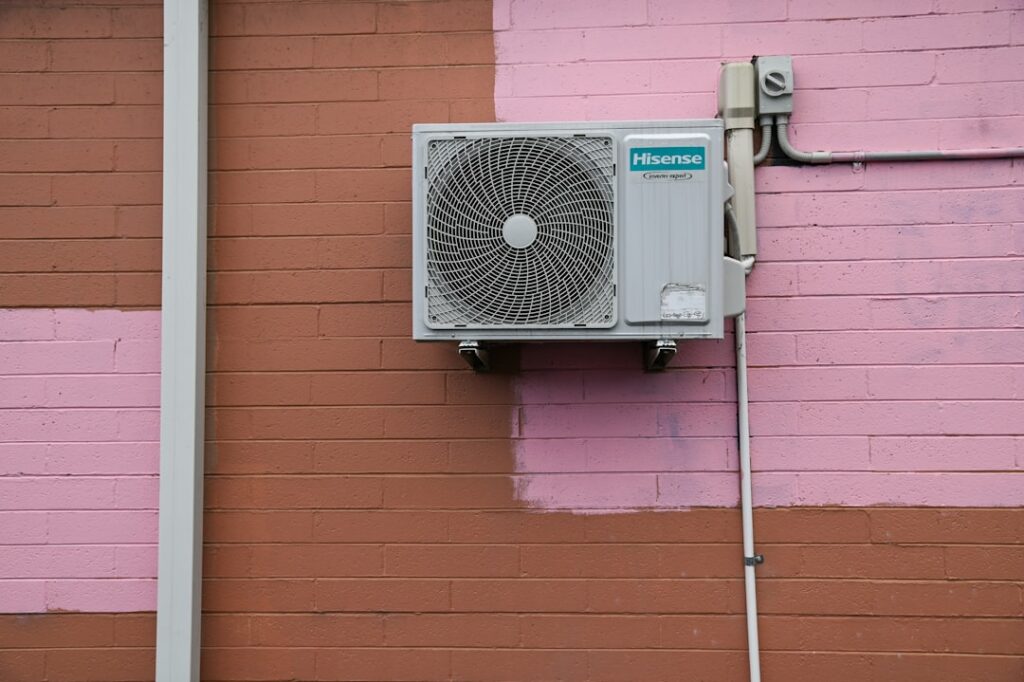
- Heat Pump Unit: Extracts heat from outside air.
- Backup Boiler: Fires up in extreme cold.
- Control System: Switches automatically between the two.
How the Air Source Heat Pump Pilot Works
An air source heat pump pilot typically runs for 6–12 months. You’ll have sensors on your pump, boiler and radiators. That data flows to a dashboard. You watch real-time efficiency. We learn how mild or frosty weather affects your system.
Why join? You’ll see:
- True running costs.
- Comfort levels in sub-zero mornings.
- Noise impact.
- Your own bespoke data, not generic estimates.
And yes—pilot participants often snag discounts or grants. Nice incentive, right?
The Technology Behind Dual Fuel Systems
Smart Controls and Switching
Modern controllers measure outside temperature and indoor demand every few minutes. Under the bonnet:
- If it’s above 2°C outside, the heat pump handles all heating.
- Below 2°C? The boiler fires up without you lifting a finger.
- You still enjoy underfloor heating or radiators—and hot water.
No fiddly toggles. No drama.
Zero-Carbon Refrigerants
Ever heard of R290? It’s a zero-carbon refrigerant used in advanced air source heat pumps. Benefits:
- Lower global warming potential.
- Better thermodynamic properties.
- Reduced environmental impact.
Megawave’s expert installation and maintenance services ensure your system runs safely with these greener chemicals.
Benefits of Dual Fuel Air Source Heat Pumps
Why pick a dual fuel heat pump over a standard boiler? Here’s the quick list:
- Energy Efficiency: Heat pumps can deliver up to 4 units of heat for every 1 unit of electricity.
- Cost Savings: Less gas usage means smaller bills.
- Lower Emissions: Ditch more fossil fuel for cleaner air.
- Comfort: Even heat distribution—no cold spots.
- Versatility: Heating in winter, cooling in summer.
In an air source heat pump pilot, participants see up to 50% lower heating costs compared to gas-only homes. Real figures. Real savings.
Megawave’s Dual Fuel Solution
You’ve read the tech. Now, the human side. Megawave (The Heat Pumps UK) blends innovation with hands-on support.
What sets us apart?
- Utilisation of zero-carbon refrigerants like R290.
- Expert installation and maintenance to keep your system efficient.
- Flexible finance options—spread the cost, stress-free.
- Government grants available to lower upfront expenses.
Our mission? Make advanced heating accessible. No jargon. No hidden fees. Just a warm, sustainable home and a clear path to lower bills.
Real-World Performance: Pilot Case Studies
In Cornwall, a household joined a dual fuel air source heat pump pilot last winter. Outcomes:
- Winter energy use dropped by 45%.
- Carbon emissions fell by 2 tonnes.
- Owners reported cosy mornings—even on frosty days.
In Yorkshire, another pilot:
- Showed reduced boiler run‐time by 60%.
- Highlighted noise levels under 40 dB—a whisper quiet system.
- Proved seamless switching between pump and boiler.
No fluff. Just data.
How to Get Started
Thinking of hopping on an air source heat pump pilot or going straight to full install? Here’s your roadmap:
- Initial Assessment
We survey insulation, property size and existing heating. - Grant Application
We guide you through UK government grants and rebates. - System Design
Tailored layout for heat pump, radiators or underfloor. - Installation
Certified engineers fit and commission your dual fuel system. - Maintenance & Support
Annual check-ups keep you efficient and noise-free.
Government Grants Available
- Boiler Upgrade Scheme: Up to £7,500 off.
- Local Authority Grants: Varies by council.
- Energy Company Obligation: Eligibility depends on provider.
Our team handles the paperwork. You get approved faster.
Choosing the Right Installer
Not all installers are equal. Go for:
- MCS or PAS certification.
- Experience with R290 refrigerant.
- Clear quotes—no sneaky add-ons.
- A track record of running pilots or trials.
We’ve piloted dozens. We get it right first time.
Common Concerns and FAQs
You’ve got questions. We’ve got answers.
Q: Are heat pumps noisy?
A: Modern units run under 40 dB—like a quiet refrigerator.
Q: Will it work in the cold?
A: Yes. Below 2 °C, your boiler backup kicks in automatically.
Q: Do I need underfloor heating?
A: No. Radiators work—just slightly larger to cope with lower flow temperatures.
Q: What’s the payback?
A: Typical homes see payback in 5–7 years, thanks to grants and savings.
Conclusion
Dual fuel systems marry the efficiency of an air source heat pump with the reliability of a boiler. An air source heat pump pilot gives you proof before you commit. Megawave wraps it all up with zero-carbon refrigerants, expert installation and great finance deals.
Ready to make the switch? Your home (and wallet) will thank you.
Share
Related posts