Why Renewable Heating Solutions Matter
Heating accounts for a hefty chunk of energy bills and carbon emissions. Across Europe, businesses and homeowners alike seek renewable heating solutions that tick all the boxes:
– Lower bills
– Reduced emissions
– Reliable comfort
Sounds simple. Yet the path to zero-carbon warmth splits mainly into two tracks: deep geothermal systems and air source heat pumps. Both qualify as renewable heating solutions, but they differ in cost, complexity and rollout speed. Let’s break them down.
Deep Geothermal: The Earth Source Heat Model
Cornell University’s Earth Source Heat (ESH) project has grabbed headlines. They’ve drilled nearly two miles into New York’s bedrock to tap Earth’s constant heat. It’s a bold bid to meet their carbon neutrality goal by 2035.
Key highlights of ESH:
– A research collaboration backed by a $7.2 million DOE grant.
– Continuous drilling updates via the Cornell University Borehole Observatory (CUBO).
– 144-foot derrick rig, seismic monitoring and rigorous risk assessments.
Why it stands out:
* Base-load heat around the clock.
Virtually zero operational emissions.
Scalable—if the geology plays ball.
But…
– Costs can balloon into the tens of millions.
– Site-specific geology means it’s not a plug-and-play renewable heating solution.
– Exploration risks: rock stability, water flow, well integrity.
So, while deep geothermal shines on paper, it takes years to prove viability. That delay scares off many SMEs looking for swift returns.
Air Source Heat Pumps: Megawave’s Eco-Friendly Approach
Enter air source heat pumps. They’ve been around, but Megawave (The Heat Pumps UK) has given them a facelift. Here’s how they stack up as a practical renewable heating solution:
- Zero-carbon refrigerants: Megawave uses R290. It slashes greenhouse impact compared to older HFCs.
- Expert installation & maintenance: A trained team ensures peak performance from day one.
- Flexible finance options: Spread the upfront cost over months or years, aided by government grants.
- Scalable for SMEs: Perfect for businesses wanting quick payback and reliable heat.
And if you also need top-notch content marketing, Megawave offers Maggie’s AutoBlog, an AI-powered platform that generates SEO and GEO-targeted articles to drive leads for your new system.
In short, air source heat pumps can be set up in weeks, not years, and start delivering savings almost immediately. That’s why many see them as the go-to renewable heating solution.
Comparing Efficiency and Carbon Savings
So, which system edges ahead on performance? Let’s be blunt.
• COP (Coefficient of Performance):
– Geothermal: often 4 – 5, rising with deeper boreholes.
– Air Source: 3 – 4 (even at sub-zero outdoor temperatures).
• Carbon Savings:
– Deep geothermal: 100% renewable once up and running.
– Air source: up to 70% CO₂ reduction versus gas boilers.
• Uptime and reliability:
– Geothermal: near-constant heat, minimal maintenance.
– Air Source: dependable but may dip on extremely cold days.
• Installation footprint:
– Geothermal: large drilling rigs, extensive groundworks.
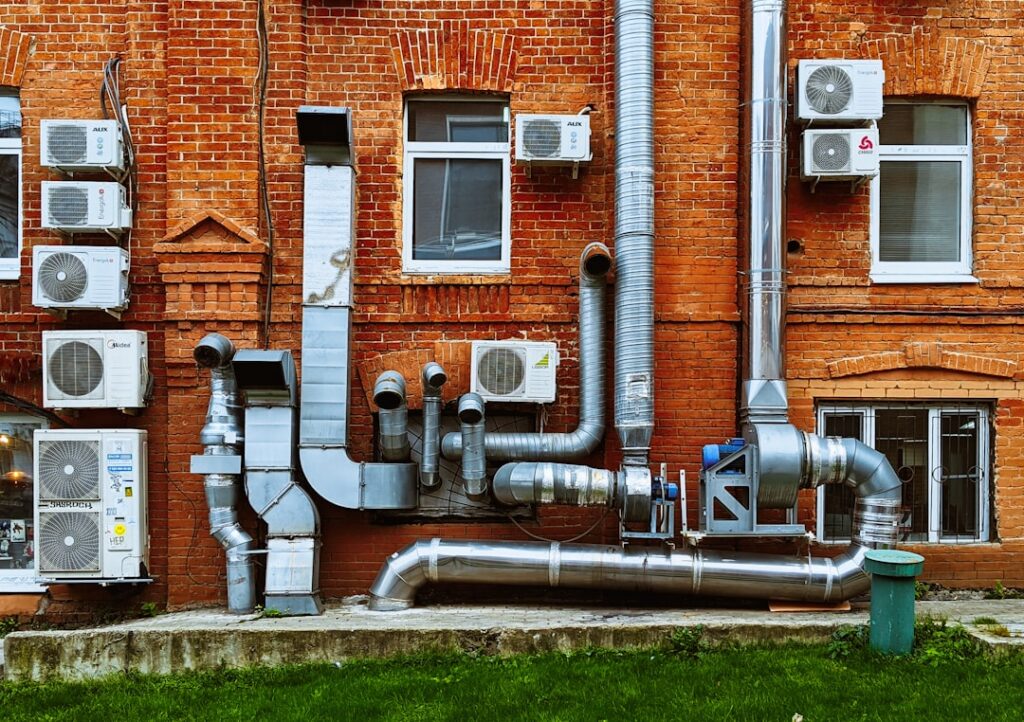
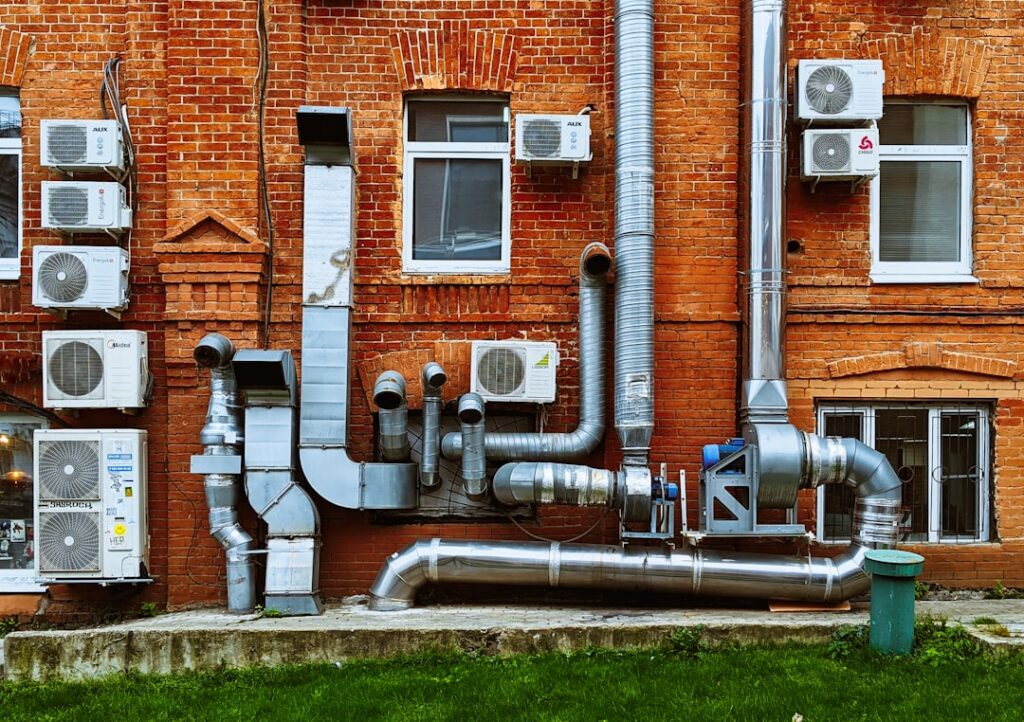
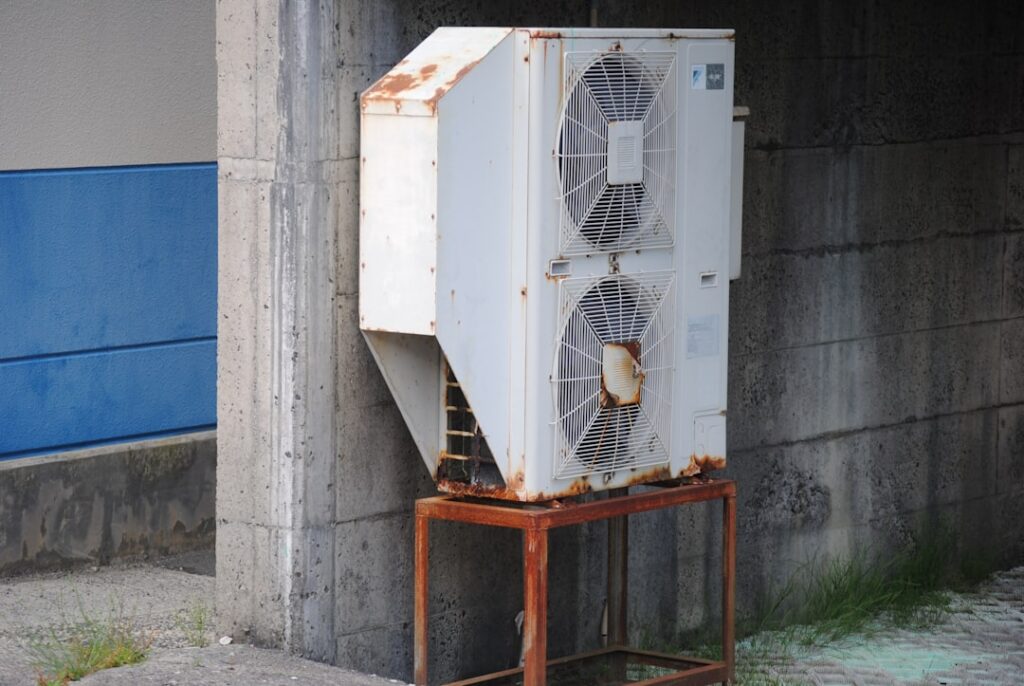
– Air Source: outdoor unit on walls or ground stand.
Both count as renewable heating solutions but suit different use cases. If you own a vast campus with deep pockets, geothermal dazzles. For SMEs or homeowners, an air source heat pump offers a faster, leaner path to net-zero targets.
Cost and Scalability: Breaking Down Barriers
Upfront cost is often the sticking point. Here’s the rundown:
-
Capital expenditure:
• Geothermal: £2 – 4 million for a medium-sized site.
• Air Source: £6 000 – £15 000 for a detached home. -
Payback period:
• Geothermal: 10–20 years, depending on scale.
• Air Source: 5–8 years, even quicker with grants. -
Grants and incentives:
• Government rebates for heat pumps can cut the price by up to 35%.
• Renewable Heat Incentive (RHI) tops it up with quarterly payments. -
Maintenance costs:
• Geothermal: low, but specialist engineers are pricey.
• Air Source: moderate—annual checks and occasional refrigerant top-up.
From a cash-flow standpoint, air source heat pumps emerge as the accessible renewable heating solution. SMEs can leap in quickly, enjoy cost savings, and still meet sustainability mandates.
Innovation and Future Trends
The tech keeps getting better. What’s on the horizon?
-
Smart home integration
Control your heating via apps, tie into solar panels, or ramp up efficiency through machine-learning algorithms. -
Hybrid systems
Pair heat pumps with solar PV or thermal stores for around-the-clock green energy. -
Enhanced refrigerants
Next-gen fluids promise lower GWP (Global Warming Potential) and better heat transfer. -
Digital twins & monitoring
Virtual models help predict faults before they happen, cutting downtime.
These trends ensure that air source heat pumps will continue evolving as leading renewable heating solutions. They’re far from static – and that’s exciting.
Pros, Cons and Your Next Step
Let’s face it: no solution is perfect. Here’s a quick pros and cons snapshot.
Geothermal Pros
– Continuous heat supply
– Maximum carbon savings
Geothermal Cons
– High upfront cost
– Lengthy development timeline
Air Source Pros
– Rapid installation
– Affordable for SMEs
– Backed by grants and flexible finance
Air Source Cons
– Slight dip in performance in extremes
– Requires annual maintenance checks
If you need a quick, cost-effective route to sustainable warmth, air source heat pumps are the smart choice. They’re proven, government-endorsed, and ready today as top-tier renewable heating solutions.
Beyond Heat Pumps: Boost Your Visibility
At Megawave, we don’t just sell kit. We help you shout about it. Our Maggie’s AutoBlog platform automatically creates SEO-rich, geo-targeted content. Perfect to drive traffic and convert leads for your new heat pump installation.
Pair cutting-edge heating with savvy marketing. Win on both fronts.
Conclusion
Deep geothermal heat is inspiring. Yet for most SMEs and homeowners, air source heat pumps deliver real, accessible renewable heating solutions right now. They combine lower costs, faster payback and strong carbon savings. Plus, flexible finance and grants make the switch easier than ever.
Ready to power your space with green heat?
Let’s build a warmer, cleaner future—together.
Share
Related posts