An Energy Revolution at Home
The world of types of heat pump systems can feel overwhelming. Gas boilers, oil-fired heaters and electric radiators have been household staples for years. But with climate targets ramping up, efficiency and sustainability are top priorities. This guide gives you a clear, no-fluff comparison of five residential heating systems—and explains why air source heat pumps are taking the lead in the UK.
We’ll dive into performance, running costs, carbon impact and real-life numbers. By the end, you’ll have everything you need to pick a system that fits your budget, your home and your eco-goals. Ready to explore the leading types of heat pump systems with Megawave: Eco-Friendly Heating Revolution? Explore the leading types of heat pump systems with Megawave: Eco-Friendly Heating Revolution
Why Compare All Types of Heat Pump Systems?
If you’re a DIYer or hiring a tradie, understanding the types of heat pump systems is your secret weapon. You’ll spot upsells, avoid costly mistakes and demystify quotes. Plus, when you see how each option stacks up on efficiency and grant eligibility, you’ll make a confident choice.
Megawave specialises in zero-carbon R290 refrigerants, tailored system design and seamless installation. We handle everything from securing government grants to providing flexible finance options. No jargon. No hidden extras. Just smart, green heating that saves you money—and the planet.
Key Types of Heat Pump Systems at a Glance
In a nutshell, here are the five most common options for UK homes:
-
Gas Boiler
• Familiar tech, quick heat.
• Efficiency: ~85% – 95%.
• Running cost: Moderate, rising with gas prices.
• Carbon footprint: High. -
Oil Boiler
• Remote areas with no gas grid.
• Efficiency: ~80% – 90%.
• Running cost: Volatile oil prices.
• Carbon footprint: Very high. -
Electric Radiators
• Simple plug-and-play.
• Efficiency: 100% conversion, but power source matters.
• Running cost: High at peak rates.
• Carbon footprint: Depends on grid mix. -
Ground Source Heat Pump
• Buried loops tap stable ground temperature.
• Efficiency: Coefficient of Performance (CoP) ~3.5 to 4.5.
• Running cost: Low, once installed.
• Carbon footprint: Very low.
• Installation: Disruptive digging, higher upfront cost. -
Air Source Heat Pump
• Easily mounted outdoors.
• Efficiency (CoP): ~3.0 to 3.8.
• Running cost: Low, especially with off-peak tariffs.
• Carbon footprint: Very low.
• Installation: Minimal ground works, fast turnaround.
When we talk about types of heat pump systems, you’ll notice air source models strike the best balance between cost, ease and eco-credentials.
1. Gas Boilers: The Traditional Choice
Gas boilers have powered UK homes for decades. They fire up quickly and slot into existing radiators. But gas prices keep climbing—and so does your carbon bill.
• Pros
– Familiar engineering.
– Compact footprint.
– Relatively low upfront cost.
• Cons
– Fossil fuel reliance.
– Inefficient in modern low-temperature underfloor systems.
– No cooling function.
If you’re switching from an old gas boiler, an air source heat pump can often reuse pipework. That means less disruption and lower labour fees.
2. Oil Boilers: A Distant Second
In truly rural settings, oil boilers still pop up. They’re reliable but pricey and dirty.
• Pros
– Off-grid option.
– High heat output.
• Cons
– Oil storage tank needed.
– Price volatility.
– High CO₂ emissions.
Switch to an air source heat pump and cut your emissions by roughly 60%. Plus, there’s a grant waiting. Want to see how much you could save? Start your air source heat pump quote
3. Electric Heaters: Simplicity at a Price
Plug in, set the dial, heat flows. Electric radiators score 100% on conversion, but the mains grid isn’t wholly green.
• Pros
– No flues, no tanks.
– Low maintenance.
• Cons
– High running cost at peak rates.
– No cooling in summer.
– Relies on grid mix.
If you pair an air source heat pump with a solar PV system, you can offset most of your power needs. Megawave offers tailored system designs that integrate renewables seamlessly. Get your heat pumps installation quotation
4. Ground Source Heat Pumps: Stable but Steep
Tapping the earth’s constant temperature is smart. But ground loops often mean digging up your garden.
• Pros
– Very stable performance.
– Extremely low carbon footprint.
• Cons
– High installation cost.
– Major landscaping work.
– Not always feasible in built-up suburbs.
If you have ample land and budget, consider ground source. Otherwise, the simpler air source route gives you 70–80% of the same benefits for around half the cost.
5. Air Source Heat Pumps: The UK Favourite
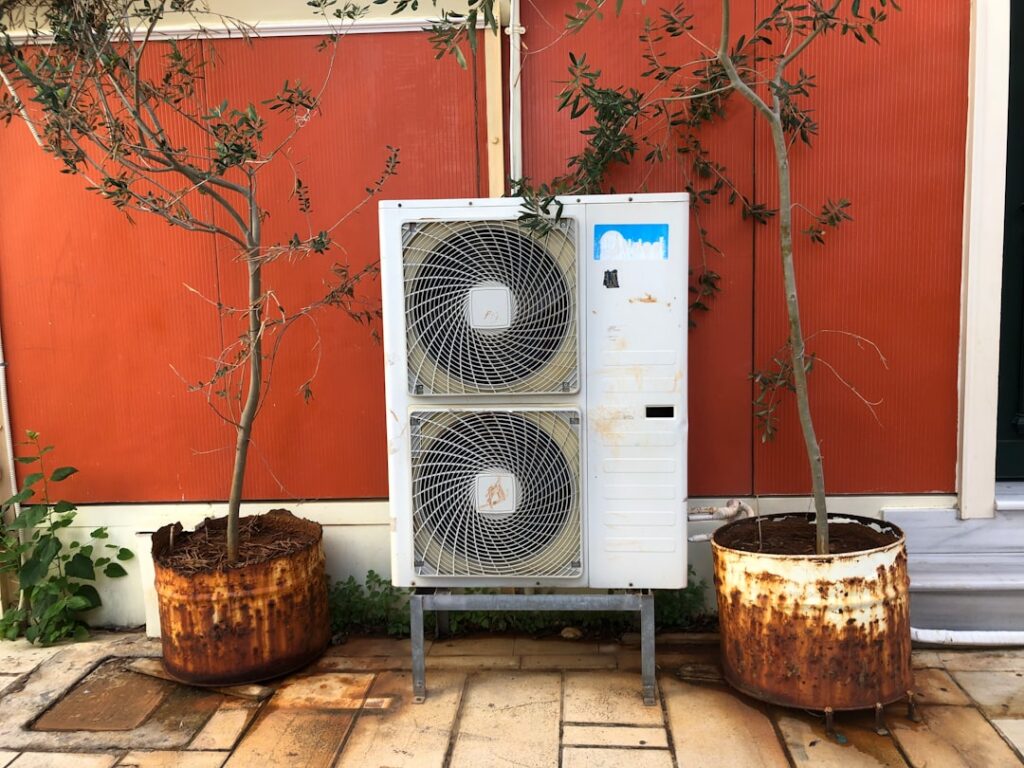
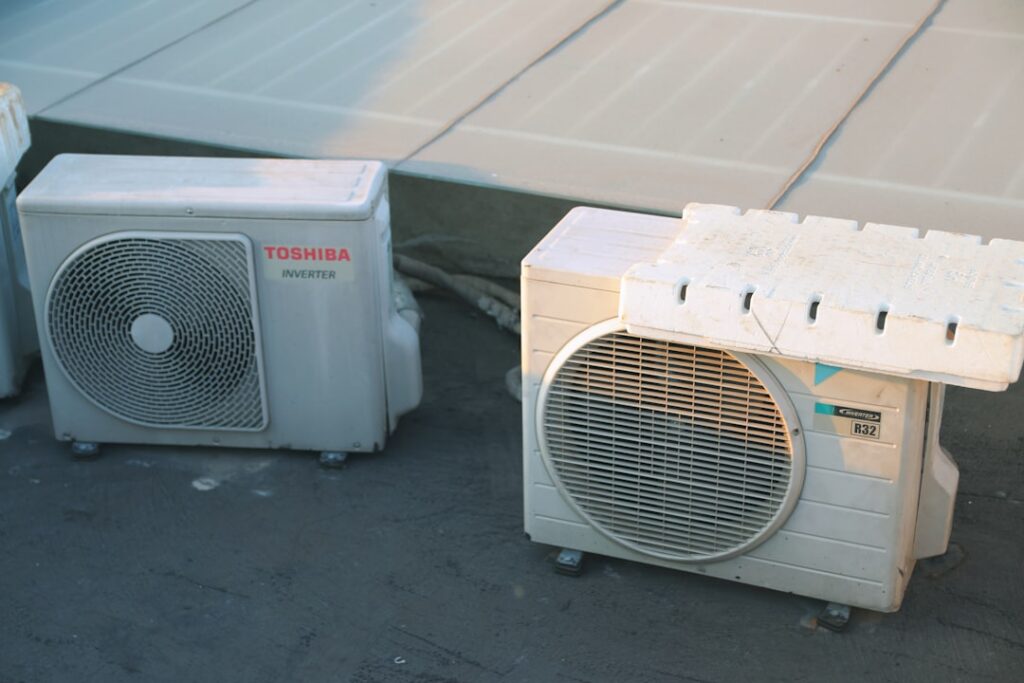
Air source heat pumps have rocketed in popularity across Europe. They extract warmth from outside air—even on frosty mornings—and reverse to cool in summer.
• Pros
– Moderate upfront cost.
– Fast installation (no major digging).
– Doubles as a cooling system.
– High efficiency (CoP ~3.5).
• Cons
– Slightly less steady in extreme cold (modern units handle sub-zero well).
With government grants available and flexible finance deals from Megawave, upgrading to an air source heat pump is easier than ever. Plus, zero-carbon R290 refrigerant means minimal environmental impact. Request a tailored heat pumps installation quotation
What Homeowners Say
• “Switching to an air source heat pump from Megawave cut my bills by 40%. The team handled the grant application and installation—seamless!”
— Sarah, Manchester
• “I was sceptical at first, but the system design and maintenance support mean year-round comfort. Zero headaches.”
— John, Liverpool
• “The flexible finance plan made the upfront cost manageable. Now my home is warmer and greener.”
— Priya, Bristol
Maintenance, Running Costs and Reliability
Every system needs a little TLC. Boilers demand annual servicing; electric heaters barely need checks. Heat pumps have low-maintenance schedules:
- Filter cleaning every 3 months.
- Annual health check by a certified engineer.
- Remote monitoring options for instant alerts.
By combining smart controls and R290 refrigerant, Megawave keeps your system efficient for years. A well-maintained air source pump typically runs 15–20 years—often longer than boilers.
Crunching the Numbers
Let’s look at average running costs for a 3-bed semi in the UK:
| System | Annual Cost | CO₂ Emissions |
|---|---|---|
| Gas Boiler | £900 | 3.5 tonnes |
| Oil Boiler | £1,100 | 4.0 tonnes |
| Electric Radiators | £1,500 | 2.8 tonnes |
| Ground Source Pump | £500 | 0.8 tonnes |
| Air Source Pump | £600 | 1.0 tonnes |
Ground and air source heat pumps drastically cut bills and emissions. Air source edges ahead for ease of install and lower upfront cost.
Grants and Finance
The UK government is keen on heat pumps. You can claim up to £7,500 under the Boiler Upgrade Scheme. Combine that with local authority incentives and Megawave’s flexible finance options, and your out-of-pocket cost falls dramatically.
Conclusion: Choosing the Right System
In this comparison of types of heat pump systems, air source models check almost every box: cost-effective, low carbon, quick install and versatile heating/cooling. Ground source pumps are superb but pricey. Traditional boilers still work, but only heat pumps align with long-term sustainability.
No matter which of the types of heat pump systems you pick, partner with an experienced installer. Megawave handles design, grants, installation and all maintenance—so you enjoy reliable comfort for decades.
Ready to make the switch? Learn more about types of heat pump systems with Megawave’s sustainable solutions
Share
Related posts