The 2024 Heat Pump Revolution: Your Cost and Grant Roadmap
The switch to an air source heat pump is the hottest trend in home heating. With rising energy bills and a global push to decarbonise, more UK homeowners are weighing up costs versus savings. In this guide, we dive deep into installation, running and maintenance costs, plus explain how to claim government heat pump grants to slash that upfront price tag. Explore government heat pump grants with Megawave’s Eco-Friendly Heating Revolution.
By the end, you’ll know:
– What influences your installation bill.
– How much you’ll spend on energy each year.
– Why R290 refrigerant makes a real difference.
– The step-by-step to secure government heat pump grants.
Strap in. We’ve got charts, tips and real-world examples to demystify every penny.
Why Choose Air Source Heat Pumps in 2024?
Air source heat pumps capture warmth from the outside air, even in chilly British winters, and transfer it indoors. They can also run in reverse to cool your home in summer. That dual-purpose climate control is a game-changer if you live in a well-insulated property. Plus:
– They work on electricity, so there’s no burning of fossil fuels on site.
– Modern units, like Megawave’s R290 systems, use zero-carbon refrigerants and achieve efficiencies over 300%.
– They pair seamlessly with smart meters, helping you monitor usage in real time.
Government incentives make the economics even sweeter. You could reduce your installation cost by up to £7,500 with government heat pump grants, and then bank hundreds on energy bills each year.
Breaking Down the Costs of Air Source Heat Pump Installation
Installing an air source heat pump involves three main cost areas:
1. Equipment price.
2. Labour and additional work.
3. Grant deductions.
Installation Cost Factors
– Heat pump size: Larger homes or those with poor insulation need more powerful units.
– Site complexity: Upgrades to radiators and pipework might be needed if your home is used to a gas boiler’s higher flow rates.
– Insulation recommendations: You might add cavity wall or loft insulation for optimal heat pump performance.
A tailored Megawave installation includes a free home survey by an MCS-certified engineer. They assess every nook and cranny, from pipe diameters to radiator sizes, and deliver a fixed quote—minus your eligible grant. If you’re serious about precision, Start your air source heat pump quote today.
Claiming Government Heat Pump Grants
The UK Government Boiler Upgrade Scheme (BUS) offers £7,500 off air source heat pump installations in England, Scotland and Wales. To qualify:
– You must own the property and have a valid Energy Performance Certificate (EPC).
– You’re replacing an existing gas, oil, LPG or electric heating system (not another heat pump).
– Your installer (like Megawave) applies on your behalf.
Once approved, the grant is deducted from your final invoice. That makes a significant dent in upfront costs, turning a large investment into a much more accessible one.
Running and Servicing Costs: A Long-Term Perspective
Air source heat pumps demand less day-to-day attention than boilers, but they do need an annual service. Typical servicing may include:
– Cleaning the evaporator to maintain airflow.
– Checking the fan and filter for wear or blockages.
– Validating system pressure and settings.
Megawave offers a competitive maintenance plan with fixed annual fees. Expect around £180–£200 per year to keep peak performance over a 20-year lifespan. Compare that with 10–15 years for many gas boilers, and you’re looking at lower long-term servicing costs and fewer surprises.
Energy Bills After Installation
Heat pumps deliver more than 300% efficiency, but electricity costs more per kWh than gas. On balance, many households see small bill reductions—especially in well-insulated homes. Key levers to cut running costs:
– Sign up to a renewable electricity tariff.
– Time your heating cycles to off-peak hours.
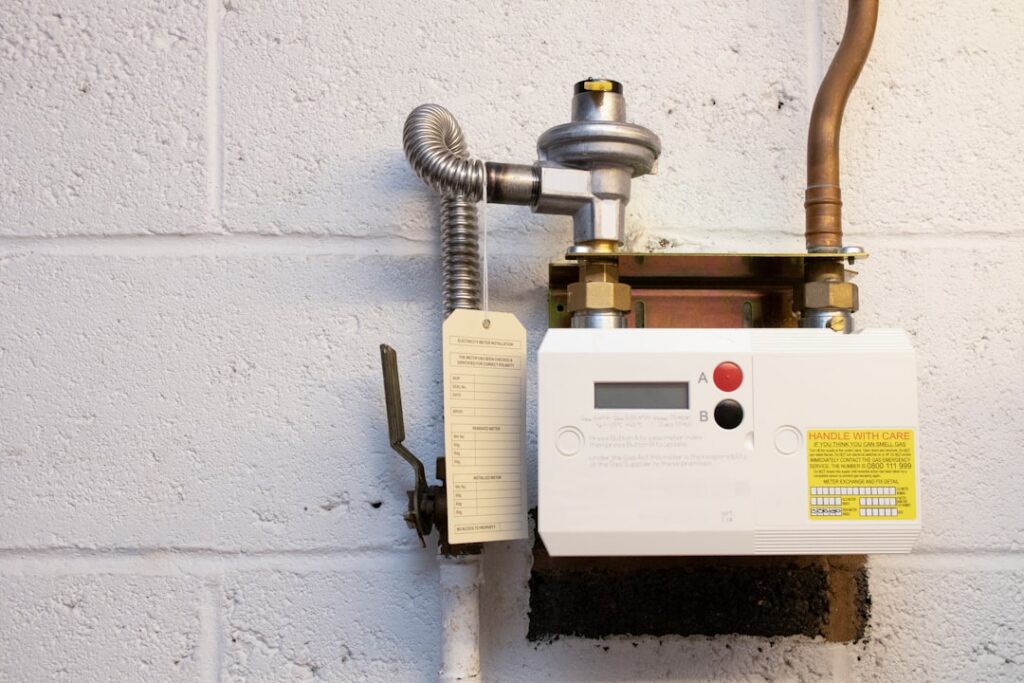
– Remove your gas meter to avoid daily standing charges of around £105.
Over time, energy savings compound. Households swapping an A-rated gas boiler might save £50–£100 per year. Those moving from an older F or G boiler could save over £150 annually.
The Eco-Friendly Edge: R290 Refrigerant and Carbon Reduction
Traditional heat pumps use HFC refrigerants with global warming potential in the thousands. Megawave’s R290 systems, by contrast, employ a natural hydrocarbon refrigerant with negligible carbon impact. Benefits include:
– Lower CO₂ footprint: R290’s global warming potential is just three, versus 2,000+ for many HFCs.
– Higher efficiency: R290 allows heat pumps to operate at lower pressures, boosting COP (coefficient of performance).
– Regulatory compliance: Future F-gas phase-downs favour natural refrigerants—so your system stays compliant for decades.
Switching to an R290 heat pump can cut your household’s carbon emissions by up to 1.5 tonnes per year. That’s like taking a small car off the road for twelve months.
Financing and Flexible Payment Options
Not everyone can pay lump sums upfront—so Megawave offers flexible finance plans. Options include:
– Low-interest monthly payments over 5–10 years.
– 0% interest deals for qualifying customers.
– Deposit holiday plans to spread costs while you enjoy the system.
Pair any financing plan with government heat pump grants to shrink your monthly outlay further. You could start saving on energy bills from month one, even while you pay off the cost over time.
Discover how government heat pump grants can help you save.
How to Apply for Government Heat Pump Grants in the UK
Eligibility Criteria
- Owner-occupiers in England, Scotland or Wales.
- Valid EPC within the last 10 years.
- Replacing gas, oil, LPG or electric heating.
- Use an MCS-certified installer and product.
Application Process
- Contact an MCS-certified installer (Megawave).
- Complete a home survey to confirm eligibility.
- Installer submits grant application via the BUS portal.
- Receive written approval before ordering equipment.
- Installation and grant deduction on final invoice.
Typical Timeline
– Survey to approval: 1–2 weeks
– Installation lead time: 4–6 weeks depending on season
– Final inspection and handover: 1 day
Plan ahead to avoid winter delays. Summer bookings fill up fast!
Comparing Megawave with Traditional Providers
Many big names now sell air source heat pumps, but Megawave stands apart in three ways:
-
Zero-Carbon Refrigerants
Other brands often stick with HFCs. Megawave leads with R290, slashing greenhouse emissions. -
Full-Service Support
From bespoke system design to seamless installation, maintenance and finance, Megawave handles every step. No hidden extras. -
Government Grant Expertise
While competitors may leave you filling forms, Megawave’s team applies on your behalf and tracks approvals—so you don’t miss out on government heat pump grants.
What Homeowners Are Saying
“Switching to a Megawave R290 heat pump cut my bills by £120 a year. The engineer handled the grant application and even recommended extra loft insulation.”
— Lucy H., Bristol“I was daunted by installation costs until Megawave slashed £7,500 off my quote with government heat pump grants. The finance plan made it all doable.”
— Arjun S., Manchester“No more gas boiler, no more gas bill. I love how quiet the pump is and how much carbon I’ve saved.”
— Karen M., Edinburgh
Key Takeaways and Next Steps
Air source heat pumps are no longer niche. With government heat pump grants, R290 technology and flexible finance, they’re a realistic, eco-friendly upgrade for UK homes. Here’s your action list:
– Book a free survey with an MCS-certified installer.
– Check your eligibility for government heat pump grants.
– Review finance options and green electricity tariffs.
– Embrace a greener, cheaper way to heat and cool your home.
Ready to take the plunge? Start your journey with Megawave’s government heat pump grants today.
Share
Related posts